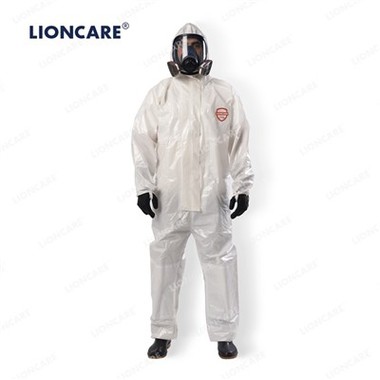
What Are Medical Gowns
Dec 05, 2024
Medical gowns are indispensable in healthcare, offering critical protection to both patients and medical staff. This in-depth guide explores their definition, purposes, types, materials, differences from hospital gowns, and essential considerations for choosing the right gown. Let's dive deeper into understanding these vital protective garments.
1. What Exactly Are Medical Gowns?
-Definition of Medical Gowns
Medical gowns are specialized protective clothing designed for use in medical environments. Their primary function is to act as a barrier, protecting the wearer from infectious agents, bodily fluids, and contaminants. They are a key component of Personal Protective Equipment (PPE), used to ensure safety and hygiene in healthcare settings.
-What Are the Functions of Medical Gowns?
Medical gowns serve diverse purposes, such as:
Protecting healthcare workers during surgeries, examinations, and procedures.
Preventing cross-contamination between patients and staff.
Minimizing exposure to infectious diseases during outbreaks like COVID-19.
Ensuring sterile environments for surgical and high-risk medical tasks.
By wearing medical gowns, healthcare workers reduce the risk of infection transmission, safeguarding both themselves and their patients.
2. Exploring the Types of Medical Gowns
-Overview of Medical Gown Categories
Medical gowns are classified based on their intended use and protection levels. The main categories include:
Isolation Gowns: Ideal for protecting against low levels of fluid exposure and contamination.
Surgical Gowns: Designed for operating rooms, providing enhanced protection during invasive procedures.
Procedural Gowns: Used in non-surgical scenarios where moderate protection is required.
-Understanding the Four Protection Levels of Medical Gowns
Medical gowns are graded into four levels by the Association for the Advancement of Medical Instrumentation (AAMI):
Level 1 (Minimal Risk): Suitable for basic care or simple procedures with minimal fluid exposure.
Level 2 (Low Risk): Used in situations like blood draws or suturing with slightly higher fluid resistance.
Level 3 (Moderate Risk): Provides better fluid protection, suitable for ER work and trauma scenarios.
Level 4 (High Risk): Offers maximum barrier protection for surgeries and long procedures with heavy fluid exposure.
3. What Materials Are Used to Make Medical Gowns?
The effectiveness of medical gowns largely depends on the materials used. Here are the most common fabrics:
-Polypropylene (PP)
Polypropylene is a lightweight, non-woven material that provides basic protection. It is cost-effective and ideal for single-use isolation gowns in low-risk environments.
-SMS Fabric (Spunbond-Meltblown-Spunbond)
SMS fabric combines layers of spunbond and meltblown materials. It offers enhanced breathability, durability, and fluid resistance, making it suitable for Level 2 and Level 3 gowns.
-SMMS / SMMMS (Spunbond, Meltblown, Meltblown, Spunbond)
These advanced fabrics have additional meltblown layers for improved protection against fluids and pathogens. They are commonly used in high-performance medical gowns.
-PE Coated Fabrics (Polyethylene Coating)
Polyethylene-coated materials, such as PP+PE or SMS+PE, provide superior liquid impermeability. These fabrics are ideal for Level 4 gowns, offering maximum safety in high-risk procedures.
-Wood Pulp Spunlace Fabric: A Sustainable Option
Made from wood pulp and polyester, spunlace fabric is biodegradable and eco-friendly. It combines comfort and protection, making it a growing choice for sustainable medical PPE.
-Additional Innovations in Medical Gown Materials
Modern innovations include anti-static coatings, antimicrobial treatments, and breathable laminates, further enhancing the functionality of medical gowns for various applications.
4. what Are Medical Gowns Different from Hospital Gowns?
While the terms "medical gowns" and "hospital gowns" are often used interchangeably, they refer to distinct garments with unique purposes.
-What Are Hospital Gowns?
Hospital gowns are worn by patients during examinations and procedures. They are designed for comfort and accessibility rather than protection.
-Contrasts Between Medical and Hospital Gowns
Function: Medical gowns protect the wearer, while hospital gowns prioritize patient modesty and ease of access.
Material: Medical gowns use fluid-resistant fabrics, while hospital gowns often use soft, lightweight materials.
Design: Medical gowns are sealed or have ties to maximize protection, while hospital gowns have open backs for easy use.
5. Tips for Choosing the Right Medical Gown
Selecting an appropriate medical gown requires careful consideration of various factors:
-Identify the Purpose
Understand the specific use case-whether it's a surgical setting, isolation ward, or general procedure. Match the gown's protection level with the associated risk.
-Assess Cost-Effectiveness and Durability
While polypropylene gowns are budget-friendly, SMS or PE-coated options provide greater durability and long-term value for higher-risk scenarios.
-Prioritize Wearer Comfort
Breathability and fit are crucial for long-term use. Materials like SMS fabric ensure protection without compromising comfort, especially during extended procedures.
-Check Regulatory Compliance
Ensure the gowns meet international standards such as AAMI, ASTM, or CE certifications to guarantee safety and performance.
6. Why Are Medical Gowns Important in Healthcare?
Medical gowns are a cornerstone of infection control. They play a pivotal role in:
Reducing hospital-acquired infections (HAIs).
Maintaining sterile environments for surgeries and procedures.
Enhancing the confidence and safety of healthcare professionals during pandemics like COVID-19.
7. The Future of Medical Gowns
With increasing focus on sustainability, the development of biodegradable fabrics and reusable gowns is gaining momentum. Advancements in nanotechnology and smart materials are also expected to revolutionize the design of medical gowns, improving their protective capabilities and wearer comfort.
Conclusion
Medical gowns are indispensable for maintaining safety and hygiene in healthcare environments. By understanding their types, materials, and key differences, you can make informed decisions when selecting the right gowns for your needs.
If you're looking for high-quality, certified medical gowns, contact us today to explore our comprehensive range!