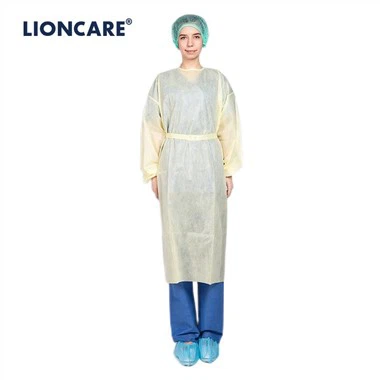
Best Disposable Coveralls For Africa’s Food Processing Industry
May 13, 2026
Africa's food processing industry is entering a period of rapid transformation. From poultry processing plants in Nigeria to seafood exporters in Kenya, meat packaging factories in South Africa, dairy facilities in Egypt, and grain processing operations across East Africa, manufacturers are under growing pressure to improve hygiene, worker safety, export compliance, and operational efficiency.
At the center of this transformation is one critical but often underestimated product: disposable protective clothing.
In modern food manufacturing environments, disposable coveralls are no longer optional. They are a frontline defense against contamination, dust, liquids, bacteria, chemical splashes, and cross-contact risks that can compromise food safety and damage brand reputation.
For African food manufacturers aiming to meet international standards and compete globally, choosing the right disposable coveralls is becoming a strategic purchasing decision.

This guide explores:
- Why food processing factories in Africa increasingly rely on disposable PPE
- What features matter most when selecting disposable coveralls
- The best materials and protection levels for different food applications
- Common mistakes buyers make
- International standards and certifications to look for
- How reliable manufacturers like LIONCARE help African importers source cost-effective and export-compliant PPE solutions
Why Disposable Coveralls Matter in Food Processing
Food contamination can originate from many sources:
- Human hair
- Skin particles
- Dust
- Oils
- Liquids
- Chemicals
- Bacteria
- Cross-contaminated clothing
In food factories, workers move constantly between production lines, cold rooms, storage zones, cleaning stations, and packaging areas. Ordinary clothing can easily carry contaminants into sensitive environments.
Disposable food processing coveralls help create a hygienic barrier between workers and food products.
Industries across Africa increasingly use disposable protective clothing in:
- Meat processing plants
- Poultry slaughterhouses
- Fish and seafood factories
- Dairy production facilities
- Beverage manufacturing
- Flour and grain processing
- Fruit and vegetable packaging
- Food export facilities
- Spice and seasoning factories
- Frozen food processing plants
As African food exports continue growing toward Europe, the Middle East, and North America, hygiene compliance has become a major purchasing requirement.
Many buyers now actively search for:
disposable coveralls for food industry
food grade disposable coveralls
breathable food processing PPE
waterproof disposable coveralls
disposable protective clothing for food factories
PPE for meat processing plants
hygienic disposable coveralls for food manufacturing
These long-tail keywords are also becoming highly competitive in Google search rankings because global procurement teams increasingly purchase PPE online.
The Growing Demand for Food Processing PPE in Africa
Africa's food manufacturing sector is expanding rapidly due to:
- Urban population growth
- Increased packaged food consumption
- Rising export opportunities
- Improved cold chain infrastructure
- Government food safety regulations
- International retailer compliance requirements
Countries such as Nigeria, South Africa, Kenya, Egypt, Ghana, Ethiopia, and Tanzania are investing heavily in food production modernization.
At the same time, food manufacturers face major operational challenges:
1. Hot and Humid Working Conditions
Many African regions experience high temperatures and humidity. Workers wearing heavy or non-breathable PPE often experience discomfort, fatigue, and reduced productivity.
This is why breathable disposable coveralls are especially important in Africa.
2. High Worker Turnover
Food factories frequently manage large labor forces with rotating shifts. Disposable PPE simplifies hygiene management compared to reusable garments that require washing and maintenance.
3. Cross-Contamination Risks
Facilities handling raw meat, seafood, flour, oils, and dairy products face continuous contamination risks. Disposable protective clothing reduces the transfer of contaminants between zones.
4. Export Compliance Pressure
Food exporters supplying international buyers increasingly need compliance with:
- HACCP
- ISO systems
- FDA expectations
- EU food safety requirements
- GMP standards
Protective clothing plays an important role in meeting audit requirements.
What Makes a Good Disposable Coverall for Food Processing?
Not all coveralls are suitable for food manufacturing environments.
The best disposable coveralls for Africa's food processing industry should combine hygiene, comfort, durability, and affordability.
Here are the most important features buyers should evaluate.
1. Breathability
In hot production environments, breathable materials help reduce worker heat stress.
Many factories make the mistake of purchasing industrial chemical suits that are too heavy for food applications.
For food processing environments, lightweight breathable disposable coveralls often provide a better balance between protection and comfort.
Common breathable materials include:
- SMS nonwoven fabric
- Microporous film laminated fabric
- Polypropylene spunbond materials
Breathable coveralls help:
- Improve worker comfort
- Reduce sweating
- Increase productivity
- Lower PPE rejection rates
- Improve compliance among workers
This is especially critical in tropical African climates.
2. Liquid Splash Protection
Food factories regularly involve exposure to:
- Water
- Blood
- Animal fats
- Cleaning chemicals
- Oils
- Sanitizers
Water-resistant or liquid-resistant disposable coveralls help protect workers and prevent contamination transfer.
Microporous disposable coveralls are especially popular in:
- Poultry processing
- Seafood production
- Meat packaging
- Wet food environments
They offer better splash resistance while remaining relatively breathable.
3. Lint-Free and Low Particle Shedding
Loose fibers can contaminate food products.
High-quality disposable food processing coveralls should generate minimal lint and particles.
Low-lint PPE is important for:
- Dairy processing
- Beverage bottling
- Bakery production
- Pharmaceutical food supplements
- Clean packaging environments
4. Comfortable Design
Workers often wear coveralls for long shifts.
An uncomfortable suit reduces productivity and increases non-compliance.
Important ergonomic features include:
- Elastic hood
- Elastic cuffs
- Elastic ankles
- Front zipper with flap
- Flexible movement
- Lightweight construction
Good design improves both protection and worker acceptance.
5. Food Industry Compliance
Professional buyers increasingly request certified PPE.
Reliable disposable coverall manufacturers should provide:
- CE certification
- ISO quality management systems
- Product test reports
- Material specifications
- Factory audit support
Factories exporting food internationally often prefer certified PPE suppliers to reduce procurement risks.
Best Types of Disposable Coveralls for Food Processing
Different food environments require different protection levels.
SMS Disposable Coveralls
SMS coveralls are widely used in dry food environments.
- Advantages:
- Lightweight
- Breathable
- Comfortable
- Economical
- Suitable for long shifts
Best applications:
- Grain processing
- Packaging lines
- Dry food handling
- Food warehousing
- Bakery production
SMS is one of the most popular materials for affordable food industry PPE in Africa.
Microporous Disposable Coveralls
Microporous coveralls provide stronger liquid and particle protection.
Advantages:
- Water-resistant
- Better barrier protection
- Chemical splash resistance
- Good durability
Best applications:
- Poultry processing
- Seafood plants
- Meat factories
- Wet production zones
- Cleaning and sanitation operations
Many African meat processing facilities increasingly prefer microporous protective suits due to improved hygiene control.
👉Expore LIONCARE Disposable Coverall
Why African Buyers Prefer Disposable PPE Over Reusable Garments
Reusable garments may appear cheaper initially, but they often create hidden operational costs.
Disposable coveralls eliminate:
- Laundry expenses
- Water usage
- Detergent costs
- Garment repair
- Cross-contamination risks
- Storage management
For many African factories where water and industrial laundry systems may be limited, disposable PPE provides a simpler and more scalable hygiene solution.
Disposable coveralls are especially useful for:
- Temporary workers
- Seasonal production
- Emergency hygiene control
- Visitor protection
- Third-party contractors
Common Mistakes When Buying Disposable Coveralls
Many importers focus only on price.
This often leads to serious operational problems later.
Mistake 1: Choosing Extremely Thin Materials
Ultra-cheap coveralls may tear easily during production work.
This increases:
- PPE consumption
- Worker dissatisfaction
- Hygiene risks
- Long-term procurement costs
Mistake 2: Ignoring Climate Conditions
Heavy protective suits may work in Europe but fail in African climates.
Breathability should always be considered for tropical environments.
Mistake 3: Buying Non-Certified PPE
Low-quality suppliers sometimes provide fake certifications or inconsistent products.
Professional buyers should always verify:
- CE documents
- Factory audits
- ISO certifications
- Test reports
Mistake 4: Choosing the Wrong Protection Level
Not every food application requires the same barrier performance.
Over-specification increases costs unnecessarily.
Under-specification increases contamination risks.
A professional PPE supplier should help match products to actual application scenarios.
International Standards Relevant to Food Processing PPE
Food manufacturers supplying global markets increasingly require compliance with international standards.
Important standards include:
HACCP
Hazard Analysis and Critical Control Points systems emphasize contamination prevention throughout food production.
Protective clothing supports hygiene management procedures.
ISO 22000
This food safety management standard requires systematic hygiene control measures.
Disposable PPE helps reduce contamination risks.
CE Certification
CE-certified disposable coveralls indicate compliance with European PPE regulations.
Many international buyers prefer CE-certified products for export-oriented food factories.
FDA Expectations
While FDA regulations vary by product category, hygienic protective clothing remains essential in food handling environments connected to U.S. exports.
Why LIONCARE Is Trusted by Global PPE Buyers
As global food manufacturers seek reliable disposable PPE suppliers, consistency and quality become critical.
LIONCARE specializes in manufacturing disposable protective products for industrial, medical, and food processing applications.
The company supplies a wide range of PPE solutions including:
- Disposable coveralls
- Microporous protective suits
- SMS coveralls
- Isolation gowns
- Bouffant caps
- Shoe covers
- Face masks
For food industry buyers, LIONCARE focuses on several key advantages.
Stable Manufacturing Capacity
Large-volume food processors require reliable supply continuity.
LIONCARE's manufacturing capabilities help ensure:
- Stable lead times
- Bulk order support
- OEM production
- Export packaging solutions
- Consistent product quality
This is especially important for African importers managing large workforce demands.
Export Experience
International PPE procurement requires more than manufacturing alone.
Experienced exporters understand:
- Shipping documentation
- Compliance requirements
- Packaging standards
- Container optimization
- International logistics
LIONCARE serves customers across multiple global markets and understands international B2B procurement expectations.
Wide Material Selection
Different factories require different PPE specifications.
LIONCARE offers:
- PP coveralls
- SMS disposable coveralls
- Microporous coveralls
- Customized protective clothing solutions
This flexibility helps food manufacturers choose products that balance protection, comfort, and budget.
OEM and Private Label Support
Many distributors and importers in Africa increasingly seek private-label PPE solutions.
LIONCARE supports:
- Custom packaging
- Brand printing
- OEM production
- Customized specifications
This helps distributors build stronger local market positioning.
How to Choose the Right Disposable Coveralls for Your Factory
When selecting disposable protective clothing for food processing operations, buyers should evaluate:
|
Factor |
Recommendation |
|---|---|
| Hot climate | Choose breathable SMS materials |
| Wet processing zones | Use microporous coveralls |
| High worker movement | Select flexible ergonomic designs |
| Export-oriented production | Choose certified PPE |
| Large labor force | Prioritize cost-efficient disposable solutions |
| Long shifts | Focus on comfort and breathability |
Working with experienced PPE manufacturers can help avoid costly purchasing mistakes.
Future Trends in Food Processing PPE in Africa
The African food sector is expected to continue modernizing rapidly over the next decade.
Future PPE trends will likely include:
- Increased hygiene automation
- Stronger export compliance
- More breathable materials
- Lightweight protective fabrics
- Sustainable disposable PPE
- Improved worker comfort
- Smart supply chain procurement
As competition grows, food manufacturers that invest in better hygiene systems will gain stronger international credibility.
Protective clothing will remain a core part of that strategy.
Final Thoughts
Africa's food processing industry is evolving quickly, and hygiene standards are rising alongside global export expectations.
Choosing the right disposable coveralls is no longer simply about worker uniforms. It is about:
- Food safety
- Brand protection
- Worker comfort
- Regulatory compliance
- Operational efficiency
- International competitiveness
The best disposable coveralls for Africa's food processing industry combine breathability, protection, durability, and affordability while meeting the practical realities of African manufacturing environments.
For importers, distributors, and food manufacturers seeking reliable PPE solutions, working with experienced suppliers like LIONCARE can help ensure consistent quality, scalable supply, and long-term business reliability.
As African food manufacturing continues expanding globally, professional disposable PPE will play an increasingly important role in protecting both workers and food products across the continent.