
Disposable Coveralls For Asbestos Removal in Africa
May 08, 2026
Asbestos remains one of the most dangerous legacy materials across many African countries. Despite global restrictions, large volumes of asbestos-containing materials (ACMs) still exist in older buildings, industrial facilities, mining sites, and infrastructure across the continent. As demolition, renovation, and industrial cleanup projects accelerate in regions such as South Africa, Nigeria, Kenya, Egypt, and Ghana, the demand for disposable coveralls for asbestos removal in Africa is growing rapidly.
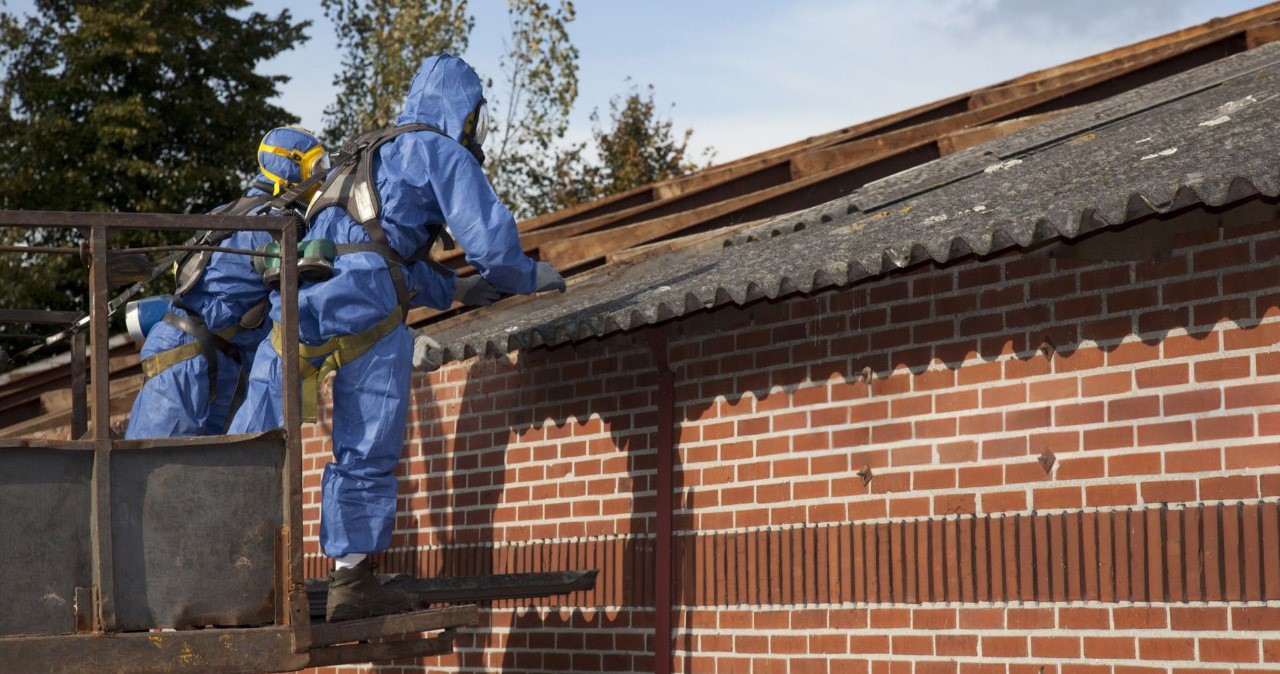
For contractors, safety managers, and procurement specialists, choosing the right protective clothing is not just a compliance requirement-it is a critical life-saving decision.
This article explores the African asbestos removal landscape, PPE requirements, regulatory expectations, and why high-performance disposable coveralls are essential for safe operations.
1. Understanding Asbestos Risk in Africa's Industrial Landscape
Asbestos was widely used in Africa for decades due to its heat resistance, durability, and low cost. It can still be found in:
- Old roofing sheets and cement boards
- Industrial insulation materials
- Pipe lagging in factories and power plants
- Construction materials in public buildings
- Mining and processing facilities
When asbestos materials are disturbed, microscopic fibers become airborne. Inhalation can lead to severe diseases such as:
- Asbestosis
- Lung cancer
- Mesothelioma
These diseases often have long latency periods, meaning exposure today may result in illness decades later.
This makes asbestos removal PPE in Africa a high-risk safety category requiring strict control measures.
2. Why Disposable Coveralls Are Essential for Asbestos Removal
In asbestos abatement projects, workers are exposed to fine, invisible fibers that easily attach to clothing and skin. Standard workwear is not sufficient.
Disposable coveralls are used because they:
- Prevent cross-contamination between work zones
- Reduce fiber carry-out from contaminated sites
- Provide full-body barrier protection
- Eliminate the need for decontamination washing of garments
- Minimize long-term exposure risk
In high-risk environments, reusable clothing can actually increase contamination risk if not properly cleaned. That is why many African asbestos removal contractors are shifting toward single-use disposable coveralls for hazardous environments.
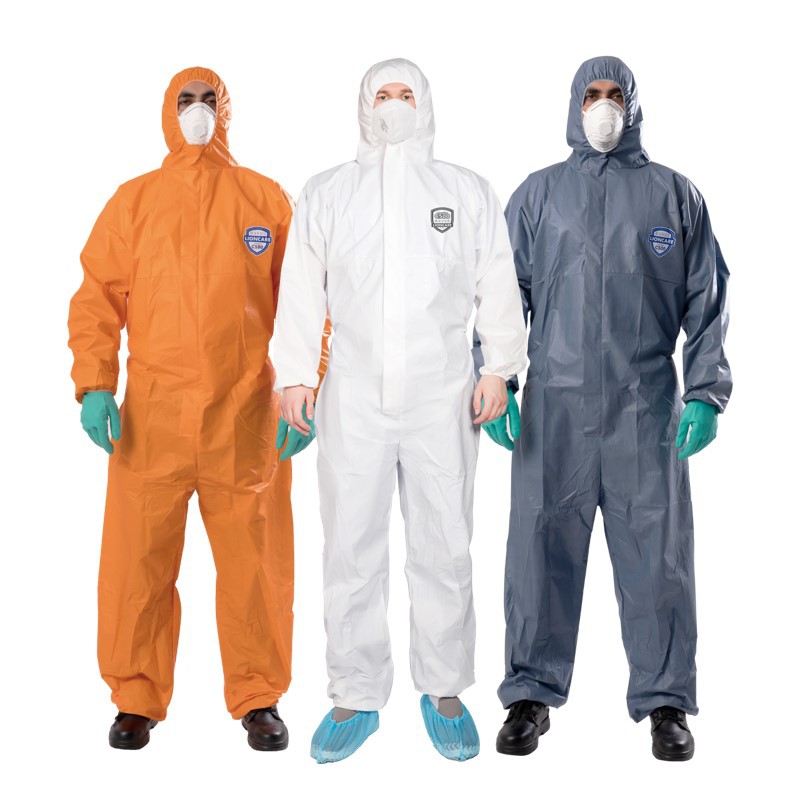
👉 Explore LIONCARE Disposable Coverall for Asbestos Removal
3. Key Requirements for Asbestos Removal Coveralls in African Projects
Not all protective suits are suitable for asbestos work. Procurement teams must evaluate PPE based on performance, certification, and material structure.
3.1 Essential protection features
Professional-grade asbestos removal coveralls should include:
- Microporous film laminate or SMS nonwoven fabric
- High filtration barrier against fine particles
- Elasticated hood, cuffs, waist, and ankles
- Anti-static treatment (important in industrial environments)
- Reinforced seams (stitching or ultrasonic bonding)
- Full-body coverage with hood design
3.2 Compliance standards commonly required
Depending on project requirements, coveralls should align with:
- Type 5 & Type 6 protective clothing standards (particle and limited splash protection)
- EN 13982-1 (solid particle protection)
- EN 13034 (liquid chemical splash protection)
- ISO quality manufacturing systems (ISO 9001 / ISO 13485 for medical-grade PPE suppliers)
These standards ensure that the garment performs under real asbestos exposure conditions.
4. African Market Demand for Asbestos Removal PPE
The African PPE market is experiencing structural growth driven by:
- Urban redevelopment projects
- Mining sector modernization
- Industrial safety regulation improvements
- International contractor involvement
- Infrastructure renovation programs
Countries such as South Africa and Egypt have stricter occupational safety frameworks, while emerging markets like Kenya, Ghana, and Tanzania are rapidly strengthening enforcement.
Key demand drivers include:
- Government-led demolition of old industrial facilities
- Foreign-invested construction projects
- Increased awareness of occupational health risks
- Growth in environmental remediation services
As a result, disposable coveralls for asbestos removal Africa suppliers are seeing increased procurement inquiries from contractors, distributors, and safety equipment importers.
5. Common Challenges in Asbestos PPE Procurement in Africa
Despite rising demand, buyers often face several challenges:
5.1 Price vs quality imbalance
Low-cost PPE often fails under real asbestos conditions, increasing exposure risk.
5.2 Inconsistent product certification
Some suppliers provide unclear or non-verifiable compliance documentation.
5.3 Supply chain instability
Delayed shipments and inconsistent inventory affect project timelines.
5.4 Lack of technical guidance
Many buyers are unsure which coverall type (Type 5 vs Type 6) is appropriate.
This creates a strong need for reliable manufacturers with both technical expertise and stable export capability.
6. How to Choose the Right Disposable Coveralls for Asbestos Removal
To ensure worker safety and regulatory compliance, buyers should evaluate PPE based on the following criteria:
6.1 Fabric structure
SMS nonwoven: breathable, cost-effective protection
Microporous film laminate: higher barrier performance for hazardous dust environments
6.2 Particle filtration efficiency
Coveralls must prevent penetration of fine asbestos fibers, which are smaller than 0.01 microns.
6.3 Seam technology
Heat-sealed seams = higher protection level
Serged seams = lower-cost, lower protection
6.4 Fit and ergonomics
Poorly fitted PPE increases contamination risk. Elastic sealing at openings is essential.
6.5 Packaging and disposal
Single-use PPE should be designed for safe disposal after contaminated use.
7. Industry Best Practices for Asbestos Removal Safety
Even the best PPE must be combined with proper procedures. Standard asbestos removal protocols include:
- Wet suppression techniques to reduce airborne fibers
- Negative pressure enclosures in work zones
- Decontamination units for workers
- Proper disposal of contaminated PPE
- Air monitoring during operations
Disposable coveralls act as the final protective barrier, ensuring workers do not carry contamination outside the controlled area.
8. Why African Contractors Prefer Imported Disposable Coveralls
Many African markets rely on imported PPE due to:
- Limited local manufacturing of high-grade asbestos PPE
- Better consistency from Chinese PPE factories
- Competitive pricing at scale
- Faster access to certified production lines
Chinese manufacturers have become key suppliers of industrial disposable coveralls for Africa asbestos removal projects, especially for bulk procurement.
9. Lioncare: Reliable PPE Manufacturing Partner for Africa
In the global PPE supply chain, consistency, certification, and production capability matter as much as product design.
As a professional PPE manufacturer, Lioncare specializes in disposable protective clothing for high-risk industrial applications, including asbestos removal, chemical handling, and construction safety.
Lioncare focuses on:
- Disposable coveralls (Type 5/6 protection)
- Isolation gowns and lab coats
- Protective PPE for industrial environments
- OEM & private label solutions for global distributors
With strict quality control processes and in-house testing capabilities, Lioncare ensures every batch meets international performance expectations before shipment.
For African buyers, this translates into:
- Stable supply for large-scale projects
- Consistent product quality
- Export-ready compliance documentation
10. Future Outlook: PPE Demand in African Asbestos Abatement Projects
The future of asbestos removal safety in Africa is expected to evolve in three major directions:
10.1 Stricter regulatory enforcement
Governments will continue tightening occupational safety laws.
10.2 Increased international contractor participation
Global firms bring higher PPE standards into African projects.
10.3 Shift toward certified disposable PPE systems
Reusable protective clothing will gradually be replaced by disposable systems in high-risk environments.
This shift reinforces the importance of scalable PPE suppliers capable of supporting long-term infrastructure and remediation projects.
Conclusion
Asbestos removal remains one of the most hazardous industrial activities in Africa, requiring strict safety protocols and high-performance protective equipment. Disposable coveralls play a critical role in preventing fiber exposure, reducing contamination risks, and ensuring worker safety.
For procurement teams and distributors, choosing a reliable manufacturing partner is essential to maintaining safety standards and operational efficiency.
With proven manufacturing capability and export experience, Lioncare continues to support global buyers with professional-grade disposable coveralls designed for demanding environments such as asbestos abatement, industrial cleanup, and hazardous material handling.
In a market where safety cannot be compromised, the right PPE solution is not just equipment-it is protection, compliance, and responsibility.
FAQ: Disposable Coveralls for Asbestos Removal in Africa
Q: Why are disposable coveralls needed for asbestos removal?
A: They prevent asbestos fibers from contaminating clothing and reduce the risk of spreading hazardous dust outside the work site.
Q: What type of coveralls are best for asbestos work?
A: Type 5 or microporous disposable coveralls are most commonly used for asbestos abatement due to strong particle protection.
Q: What materials are recommended?
A: SMS nonwoven and microporous film laminate materials are preferred because they block fine asbestos particles while remaining breathable.
Q: Can disposable coveralls be reused?
A: No. They are single-use only. Reuse may cause hidden asbestos contamination and serious health risks.
Q: Are coveralls enough protection on their own?
A: No. They must be used with respirators, gloves, and proper decontamination procedures.
Q: How should used coveralls be disposed of?
A: They must be sealed in labeled hazardous waste bags and disposed of according to asbestos safety regulations.
Q: Where can African buyers source reliable asbestos coveralls?
A: Many buyers choose experienced PPE manufacturers like Lioncare for consistent quality and export-ready compliance.