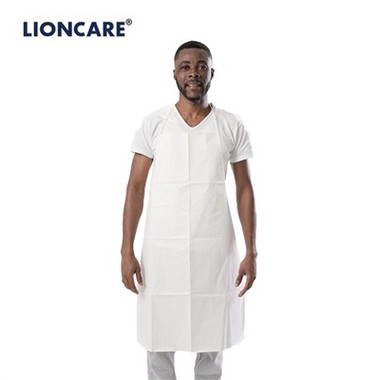
Protective Clothing Standards For Food Industry Workers
Apr 30, 2026
In today's global food industry, safety expectations have reached an unprecedented level. Consumers are more aware, regulations are stricter, and audits are more frequent than ever before. Under these conditions, protective clothing is no longer just a basic requirement-it has become a fundamental part of food safety management systems.
For food manufacturers, distributors, and private-label brands, choosing the right protective clothing for food industry workers directly affects product integrity, compliance outcomes, and long-term brand credibility. From raw material handling to final packaging, every step must be supported by reliable, hygienic, and compliant PPE solutions.
The Real Purpose of Protective Clothing in Food Processing

Unlike industrial PPE that primarily protects workers, protective clothing in the food sector is designed to protect the product itself. The goal is to minimize contamination risks caused by human factors such as hair, skin particles, fibers, and microorganisms.
This is why disposable food processing coveralls, non-woven protective suits, and food-grade isolation gowns are widely used across processing facilities. These garments create a controlled barrier between the worker and the product, significantly reducing the likelihood of contamination and ensuring consistent hygiene standards across production zones.
Key Global Standards for Food Industry Protective Clothing

To operate in international markets, food producers must comply with globally recognized safety standards. These standards are not optional-they are essential for passing audits, maintaining certifications, and securing long-term partnerships with global buyers.
Systems such as HACCP, FDA regulations, EU food contact standards, and ISO 22000 all emphasize the importance of hygienic protective clothing. They require that PPE be safe, non-contaminating, and appropriate for specific risk zones, making proper PPE selection a critical part of compliance strategy.
HACCP: The Foundation of Food Safety and PPE Requirements

HACCP, or Hazard Analysis and Critical Control Points, is the backbone of modern food safety systems. It requires businesses to identify potential hazards and implement preventive measures at key stages of production.
Protective clothing plays a central role in this system. PPE must not introduce contaminants, and it must be suitable for different control zones within the facility. In higher-risk environments, microporous disposable coveralls for food processing are often preferred because they provide excellent particle filtration while remaining breathable enough for long working hours.
FDA Requirements for Food Processing Protective Clothing

In the United States, FDA regulations clearly state that workers must wear clean, sanitary, and appropriate clothing to prevent food contamination. This includes ensuring that garments do not shed fibers or release harmful substances.
For this reason, many manufacturers rely on FDA-compliant disposable protective clothing to meet regulatory expectations. Using compliant PPE not only helps pass inspections more easily but also demonstrates professionalism and reliability to customers and partners in the global supply chain.
EU Food Safety Regulations and PPE Compliance
For companies exporting to Europe, compliance with Regulation (EC) No 1935/2004 is essential. This regulation focuses on materials that may come into contact with food, including indirect contact through protective clothing.
As a result, PPE used in these environments must be chemically stable and free from harmful substances. High-quality non-woven disposable protective clothing for food industry use is commonly selected because it meets both safety and performance requirements while supporting efficient production processes.
Types of Protective Clothing Used in Food Industry
Food processing environments require a combination of protective garments rather than a single solution. Full-body disposable coveralls are typically used in high-risk areas, while isolation gowns are suitable for less critical tasks that still require hygiene control.
Additional items such as hairnets, beard covers, gloves, and shoe covers are equally important. Together, these components form a complete protective system that ensures every potential contamination source is properly managed throughout the production workflow.
Material Selection: The Core of PPE Performance

The performance of protective clothing depends heavily on the materials used. Polypropylene (PP) is widely used due to its lightweight and cost-effective nature, making it ideal for basic hygiene applications.
For more demanding environments, SMS and microporous materials offer enhanced protection. SMS provides a balance of strength and filtration, while microporous film delivers superior resistance to liquids and fine particles. Choosing the right material ensures that businesses meet both compliance requirements and operational efficiency goals.
Key Features of High-Quality Food Industry PPE
High-quality PPE is defined by both material and design. Features such as elastic cuffs, secure zippers, and well-fitted hoods help maintain proper coverage during movement, reducing exposure risks.
Breathability is equally important, as workers often wear protective clothing for extended periods. Additionally, blue-colored garments are widely used in the food industry because they are easily detectable, helping prevent foreign object contamination. These details may seem small, but they play a significant role in maintaining consistent food safety standards.
Common Mistakes in PPE Selection and Compliance
Many companies still face compliance challenges due to improper PPE selection. Using non-certified products, reusing disposable garments, or failing to verify supplier documentation are among the most common mistakes.
These issues can lead to audit failures, product recalls, and damaged business relationships. The best way to avoid such risks is to work with a reliable supplier that provides full certification, testing reports, and consistent product quality across all batches.
Why LIONCARE Is a Trusted PPE Partner

Choosing the right supplier is not just about pricing-it is about long-term reliability and compliance assurance. A trusted partner ensures that every shipment meets the same high standards, reducing operational risks and supporting smooth audits.
LIONCARE specializes in disposable protective clothing for food processing environments, offering ISO-certified manufacturing, in-house testing, and strict raw material control. Our expertise in non-woven PPE allows us to support global distributors and food industry clients with consistent, high-quality solutions tailored to their needs.
Conclusion: Turning PPE Compliance Into Business Value
Protective clothing is no longer just a compliance requirement-it is a strategic investment in product quality, operational efficiency, and brand reputation. Companies that take PPE seriously are better equipped to prevent contamination, pass audits, and build long-term trust with global partners.
By understanding international standards and working with reliable suppliers like LIONCARE, businesses can transform PPE compliance into a real competitive advantage in today's demanding food industry.
FAQ
Q: What is the best material for food industry protective clothing?
A: Microporous and SMS materials are widely considered the best options due to their balance of protection, breathability, and contamination control.
Q: Is disposable PPE necessary in food processing plants?
A: Yes, especially in high-risk environments where contamination must be strictly controlled.
Q: Why is blue protective clothing commonly used?
A: Because blue is easily visible in food products, making contamination easier to detect.
Q: How can I ensure PPE compliance for export markets?
A: Work with certified suppliers like LIONCARE and verify all documentation, including compliance certificates and test reports.