Protective Coveralls For Pest Control in Africa
Jun 12, 2026
In Africa, pest control is an essential service for both urban and rural communities. From combating mosquito-borne diseases like malaria to managing agricultural pests, professionals in the pest control industry face exposure to a variety of chemicals and biological hazards. Choosing the right protective clothing, particularly disposable protective coveralls, is critical for ensuring safety and maintaining operational efficiency.
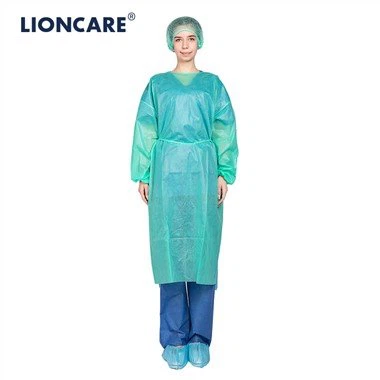
Lioncare, a leading PPE manufacturer, offers a range of protective coveralls for pest control designed to meet the unique demands of African environments.
Why Protective Coveralls Are Crucial for Pest Control
Pest control professionals often work with chemicals such as insecticides, rodenticides, and fumigants. Even short-term exposure to these substances can lead to skin irritation, respiratory issues, or long-term health problems. Protective coveralls act as the first line of defense, preventing contact with harmful substances while allowing professionals to move comfortably and perform their tasks efficiently.
Long-tail keywords naturally integrated: disposable coveralls for pest control in Africa, chemical-resistant pest control coveralls, Lioncare protective coveralls.

Key Features of Pest Control Coveralls
When selecting coveralls for pest control, several factors must be considered:
- Material and Chemical Resistance
- Polypropylene SMS or microporous materials are lightweight yet provide excellent chemical resistance.
- Lioncare's CoverPlus C500 offers a balance of durability and breathability, ideal for hot African climates.
- Seam and Closure Design
- Taped seams prevent chemical seepage.
- Zipper closures with storm flaps add an extra layer of protection.
- Comfort in High Temperatures
- Africa's tropical and semi-arid regions can challenge PPE comfort.
- Lightweight, breathable materials reduce heat stress, enabling longer work periods without fatigue.
- Full-Body Protection
- Integrated hoods, elastic wrists, and ankle cuffs minimize skin exposure.
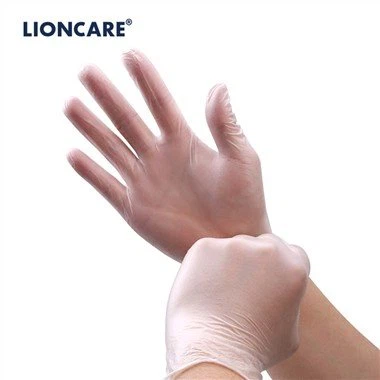
- Compatibility with gloves, respirators, and boots ensures comprehensive safety.
Choosing the Right Coverall for Your Region
African pest control conditions vary widely-from humid coastal cities to arid inland areas. Lioncare recommends tailoring PPE selection based on:
- Climate Conditions: Lightweight, ventilated coveralls for tropical zones; thicker materials for dust-prone or chemical-heavy environments.
- Type of Pesticide Used: Chemical-specific protective properties are essential for organophosphates or pyrethroid treatments.
- Duration of Exposure: For long-duration operations, comfort and breathability are as important as chemical resistance.
Advantages of Lioncare Coveralls in Pest Control
- High-Performance Protection: Meets EN ISO standards and Category III PPE certification.
- Cost-Effective Solutions: Factory-direct pricing without compromising quality.
- Ease of Disposal: Single-use design reduces cross-contamination risks.
- Customizable Options: Available in various sizes and colors for team identification.
By investing in Lioncare disposable protective coveralls, pest control companies can reduce workplace incidents and improve operational efficiency.
Maintenance and Best Practices
Even though these coveralls are disposable, following proper donning and doffing procedures is essential:
- Wear gloves and respirators before putting on the coverall.
- Ensure all zippers and seams are properly closed.
- Avoid touching contaminated surfaces.
- Dispose of used coveralls in accordance with local hazardous waste regulations.
- Wash hands thoroughly after removal.

Conclusion
In Africa, effective pest control is about more than just eliminating pests-it's about protecting the professionals who perform these critical tasks. Choosing the right disposable protective coveralls from Lioncare ensures both safety and efficiency. By combining chemical resistance, comfort, and compliance with international standards, Lioncare coveralls are an indispensable tool for pest control companies across the continent.
FAQ: Protective Coveralls for Pest Control in Africa
Q: Can disposable coveralls protect against all types of pesticides?
A: While Lioncare coveralls offer broad chemical resistance, it's crucial to check compatibility with specific pesticides, especially highly corrosive organophosphates.
Q: How long can a coverall be worn during pest control operations?
A: Coveralls can typically be worn for a full work shift. However, in high-heat conditions, breaks and hydration are necessary to prevent heat stress.
Q: Are Lioncare coveralls suitable for both urban and agricultural pest control?
A: Yes, Lioncare coveralls are designed for versatility, providing protection in urban fumigation, household pest control, and large-scale agricultural applications.
Q: How should used coveralls be disposed of safely in Africa?
A: Follow local regulations for hazardous waste disposal. Typically, sealed bags and collection points prevent chemical exposure to other workers and the environment.
Q: Can these coveralls be reused?
A: Lioncare protective coveralls are designed for single use to prevent cross-contamination. Reuse is not recommended, especially when handling toxic chemicals.