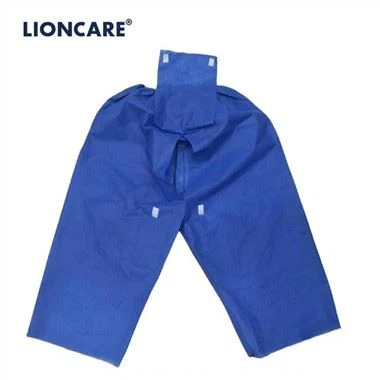
Disposable Coveralls For Pharmaceutical Manufacturing in Africa
May 14, 2026
Africa's pharmaceutical manufacturing industry is entering a new era of rapid expansion. Governments across countries such as Nigeria, South Africa, Kenya, Egypt, Ethiopia, and Ghana are investing heavily in local pharmaceutical production to reduce dependence on imported medicines and strengthen healthcare security.

As pharmaceutical production capacity grows, so does the demand for high-performance personal protective equipment (PPE), especially disposable protective coveralls used in cleanrooms, sterile manufacturing zones, laboratory operations, and contamination-sensitive environments.
For pharmaceutical manufacturers, contamination is not merely a quality issue - it is a regulatory, operational, and financial risk.
Even microscopic particles from workers' clothing, skin, or hair can compromise:
- Sterile drug manufacturing
- Vaccine production
- Injectable medicine processing
- Tablet and capsule packaging
- API (Active Pharmaceutical Ingredient) manufacturing
- Biotechnology laboratories
- Research and development facilities
This is why pharmaceutical-grade disposable coveralls are becoming an essential component of GMP-compliant manufacturing systems throughout Africa.
For companies seeking reliable disposable coveralls for pharmaceutical manufacturing in Africa, choosing the right supplier is no longer only about price. It is about compliance, cleanroom compatibility, worker safety, durability, comfort, and long-term supply stability.
Why Pharmaceutical Manufacturing Requires Specialized Disposable Coveralls
Unlike general industrial environments, pharmaceutical facilities operate under highly controlled cleanliness standards.
Workers themselves are often the largest contamination source inside pharmaceutical cleanrooms. Human skin cells, hair, sweat, fibers, bacteria, and airborne particles can all enter sensitive production areas if PPE protection is inadequate.
Pharmaceutical manufacturing environments typically require:
- Low-lint protective clothing
- Anti-static disposable coveralls
- Breathable yet particle-resistant fabrics
- Full-body contamination control
- Hooded cleanroom coveralls
- Elastic cuff and ankle sealing
- Secure zipper flap protection
- Compatibility with ISO cleanroom standards
- Compliance with GMP requirements
This makes pharmaceutical disposable coveralls significantly different from ordinary industrial coveralls.
Main Risks Inside African Pharmaceutical Manufacturing Facilities
Many pharmaceutical factories across Africa operate in challenging environmental conditions, including:
- High humidity
- Dust exposure
- Hot climates
- Inconsistent environmental control systems
- Variable infrastructure standards
- Cross-contamination risks during scale expansion
Because of these realities, African pharmaceutical companies often require disposable protective clothing that balances:
- Protection
- Breathability
- Comfort
- Durability
- Cost efficiency
A poorly designed disposable coverall can create multiple operational problems:
| Risk | Impact |
|---|---|
| Fabric lint shedding | Product contamination |
| Poor breathability | Worker fatigue |
| Weak seams | Exposure risks |
| Non-compliant materials | GMP audit failures |
| Static accumulation | Sensitive equipment interference |
| Poor fit | Reduced worker mobility |
| Low-quality zippers | Contamination leakage |
For pharmaceutical buyers, choosing the wrong PPE supplier can lead to serious operational consequences.
What Types of Disposable Coveralls Are Used in Pharmaceutical Manufacturing?
Different pharmaceutical production environments require different levels of PPE protection.
1. Microporous Disposable Coveralls
Microporous coveralls are among the most commonly used PPE garments in pharmaceutical manufacturing.
They provide:
- Excellent particle barrier protection
- Low lint generation
- Liquid splash resistance
- Breathable comfort
- Lightweight wearability
These are widely used in:
- Pharmaceutical packaging
- Tablet manufacturing
- Laboratory operations
- Cleanroom maintenance
- Quality inspection departments
Explore LIONCARE Microporous Disposable Coveralls
2. SMS Disposable Coveralls
SMS nonwoven coveralls are popular in pharmaceutical environments where lightweight protection and breathability are priorities.
Advantages include:
- Soft fabric feel
- Comfortable long-hour wear
- Good air permeability
- Cost-effective large-scale usage
SMS coveralls are often selected for:
- Non-sterile pharmaceutical zones
- Warehousing
- Secondary packaging
- General manufacturing operations
3. Anti-Static Cleanroom Coveralls
Electrostatic discharge can create contamination issues in highly sensitive pharmaceutical operations.
Anti-static disposable coveralls help reduce:
- Dust attraction
- Static particle movement
- Electrostatic discharge risks
These garments are particularly important in:
- Sterile production lines
- Biotechnology facilities
- API manufacturing
- Electronic-pharma crossover facilities
Discover LIONCARE Disposable Coverall
Key Features Buyers Should Look for in Pharmaceutical Disposable Coveralls
Low Linting Performance
Lint contamination is a major concern in pharmaceutical manufacturing.
High-quality pharmaceutical PPE should use low-lint nonwoven materials that minimize fiber shedding during movement.
This helps maintain cleaner production environments and supports GMP compliance.
Breathability for African Climates
Many African countries experience high temperatures and humidity throughout the year.
Workers wearing non-breathable PPE for extended shifts may experience:
- Heat stress
- Reduced productivity
- Excessive sweating
- Discomfort
- Increased PPE failure risk
Breathable disposable coveralls improve worker compliance and operational efficiency.
Microporous breathable fabrics are often the preferred solution for pharmaceutical factories operating in hot climates.
Strong Seam Construction
Weak seams are one of the most overlooked PPE quality issues.
Professional pharmaceutical coveralls should feature:
- Reinforced stitching
- Ultrasonic seams
- Durable seam sealing
- Tear-resistant construction
Strong seam performance helps maintain garment integrity during long production shifts.
Hooded Full-Body Protection
Pharmaceutical contamination control requires full-body coverage.
Most pharmaceutical-grade disposable coveralls include:
- Attached hood
- Elastic wrists
- Elastic ankles
- Thumb loops (optional)
- Full zipper with storm flap
These features help reduce contamination entry points.
Anti-Static Treatment
Static electricity can attract airborne particles and compromise clean environments.
Anti-static disposable protective suits are particularly important in:
- Cleanrooms
- Electronic pharmaceutical equipment areas
- Sterile filling operations
Pharmaceutical PPE Standards Buyers Should Understand
Professional pharmaceutical manufacturers increasingly require suppliers that understand international PPE and cleanroom compliance systems.
Important standards may include:
| Standard | Purpose |
|---|---|
| ISO 13485 | Medical device quality management |
| CE Certification | European PPE compliance |
| ISO Cleanroom Standards | Controlled environment compliance |
| GMP Requirements | Pharmaceutical manufacturing standards |
| EN 14126 | Protection against infective agents |
| EN 14605 | Liquid chemical protection |
| EN ISO 13982 | Particle protection |
African pharmaceutical companies exporting medicines internationally often face stricter audit requirements from global regulators.This makes certified PPE sourcing increasingly important.
Why African Pharmaceutical Buyers Are Moving Toward Chinese PPE Manufacturers
Many pharmaceutical companies in Africa source disposable coveralls from China because of:
- Mature nonwoven manufacturing supply chains
- Competitive pricing
- Large production capacity
- Stable export experience
- Broad certification support
- OEM and private label flexibility
However, not all PPE factories deliver the same quality level.
Buyers today are paying closer attention to:
- Factory audits
- Production consistency
- Clean manufacturing environments
- Testing capabilities
- Export documentation
- Supply reliability
Why More Pharmaceutical Companies Choose LIONCARE
As a professional disposable PPE manufacturer, LIONCARE focuses on producing high-quality disposable protective products for global industrial and medical markets.
LIONCARE provides a wide range of disposable protective solutions, including:
- Microporous coveralls
- SMS protective coveralls
- Pharmaceutical cleanroom coveralls
- Isolation gowns
- Lab coats
- Face masks
- Bouffant caps
- Shoe covers
For pharmaceutical manufacturing customers in Africa, LIONCARE emphasizes:
Stable Manufacturing Capacity
Large-scale production capability helps ensure consistent supply during peak demand periods.
This is especially important for pharmaceutical factories requiring continuous monthly PPE procurement.
Strict Quality Control
LIONCARE implements strict quality inspection procedures before shipment.
Products undergo internal testing to help ensure:
- Fabric consistency
- Seam strength
- Sizing accuracy
- Packaging integrity
- Barrier performance
Export Experience in Global Markets
With extensive export experience, LIONCARE understands the documentation and compliance expectations required by international buyers.
This helps reduce procurement risks for pharmaceutical distributors and manufacturers.
OEM & Private Label Support
Many African pharmaceutical distributors seek customized PPE branding solutions.
LIONCARE supports:
- OEM packaging
- Custom logos
- Size customization
- Multilingual labeling
- Bulk container loading
Common Pharmaceutical Applications for Disposable Coveralls
Disposable pharmaceutical coveralls are widely used in:
Tablet & Capsule Manufacturing
Protection against:
- Powder contamination
- Dust particles
- Cross-contamination
Sterile Injectable Production
High-level contamination control is critical during injectable medicine manufacturing.
Low-lint protective clothing helps maintain sterile production integrity.
Biotechnology Laboratories
Biotech operations often require anti-static and cleanroom-compatible PPE.
Disposable coveralls help minimize contamination risks during sensitive research processes.
API Manufacturing
API facilities may expose workers to:
- Fine particles
- Chemical residues
- Biological materials
Proper PPE helps reduce worker exposure risks.
Pharmaceutical Packaging Lines
Packaging operations still require contamination control, especially for export-grade pharmaceutical products.
How to Choose the Right Disposable Coveralls Supplier for Africa
Evaluate Certification Capability
Reliable suppliers should provide:
- CE documentation
- Test reports
- ISO certificates
- Technical specifications
Review Production Capacity
Pharmaceutical factories require stable long-term PPE supply.
Ask suppliers about:
- Monthly output
- Lead times
- Raw material sourcing
- Emergency production capability
Request Samples Before Bulk Orders
Always evaluate:
- Fabric feel
- Breathability
- Seam quality
- Sizing consistency
- Packaging standards
Assess Export Experience
Experienced exporters understand:
- Customs documentation
- International logistics
- African market requirements
- Regulatory expectations
Future Growth of Pharmaceutical PPE Demand in Africa
Africa's pharmaceutical industry is expected to continue expanding rapidly over the next decade.
Growth drivers include:
- Local medicine manufacturing initiatives
- Population growth
- Increased healthcare investment
- Regional pharmaceutical hubs
- International pharmaceutical partnerships
As manufacturing standards improve, demand for pharmaceutical-grade disposable PPE will continue rising.
Disposable coveralls are no longer viewed as simple protective garments - they are now part of pharmaceutical quality assurance systems.
Final Thoughts
The pharmaceutical industry in Africa is evolving quickly, and contamination control is becoming a top operational priority.
For pharmaceutical manufacturers, choosing the right disposable coveralls can help improve:
- Worker safety
- GMP compliance
- Product quality
- Cleanroom control
- Operational efficiency
As global pharmaceutical standards continue rising, reliable PPE partnerships will become increasingly important.
For buyers seeking dependable disposable coveralls for pharmaceutical manufacturing in Africa, partnering with an experienced PPE manufacturer like LIONCARE can provide both quality assurance and long-term supply stability.
Whether for cleanroom operations, sterile drug manufacturing, biotechnology laboratories, or pharmaceutical packaging facilities, high-quality disposable protective clothing remains an essential investment in pharmaceutical safety and compliance.