Why Breathable Disposable Coveralls Matter in Africa
May 15, 2026
In many parts of the world, disposable coveralls are chosen based on protection level alone. Buyers compare certifications, material specifications, and chemical resistance data, then make a purchasing decision.
In Africa, however, there is another factor that often matters just as much as protection itself:
Can workers actually wear the coveralls comfortably for an entire shift?
That question has become increasingly important across African industries. From oil & gas projects in Nigeria to mining operations in Zambia, food processing factories in Kenya, and industrial maintenance sites in Ghana, workers often operate in environments where heat, humidity, and long working hours create serious physical strain.
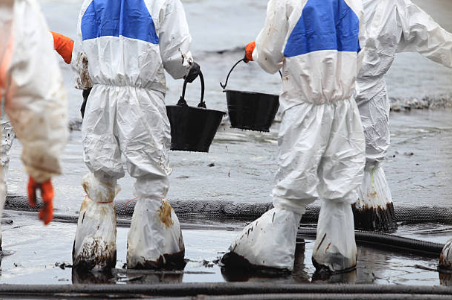
This is why breathable disposable coveralls are becoming one of the most discussed topics in Africa's PPE market.
For many distributors, contractors, and safety managers, the conversation is no longer simply about "protective clothing." It is about balancing protection, comfort, productivity, and worker compliance in some of the world's toughest climates.
Africa's Climate Changes the PPE Conversation
One of the biggest mistakes international PPE suppliers make is assuming that products designed for Europe or North America will automatically work well in African environments.
They often don't.
In West Africa, workers may spend hours in hot and humid conditions where temperatures remain high throughout the day. In North Africa, industrial teams face dry desert heat and intense sun exposure. Mining workers in Southern Africa often operate underground or in enclosed industrial spaces where airflow is limited.
Under these conditions, heavy or poorly ventilated disposable coveralls quickly become uncomfortable.
And once PPE becomes uncomfortable, something predictable happens:
Workers stop wearing it properly.
That reality is one reason breathable disposable coveralls for African climate conditions have become increasingly important for industrial safety programs.
Why Breathability Matters More Than Many Buyers Realize
When people think about protective clothing, they naturally focus on hazards such as chemicals, dust, oil splashes, or contamination.
But heat stress is also a workplace hazard.
In many African industries, workers wearing non-breathable protective clothing experience:
- Excessive sweating
- Fatigue
- Reduced concentration
- Physical discomfort
- Faster dehydration
- Lower productivity
In severe situations, heat stress can even create safety risks that become more dangerous than the original hazard the PPE was meant to prevent.
This is why many industrial buyers sourcing disposable coveralls for hot African environments now evaluate comfort almost as carefully as certification standards.
Breathable PPE Helps Improve Worker Compliance
Safety managers across Africa often encounter the same issue:
Workers remove uncomfortable PPE whenever supervision decreases.
It happens in factories.
It happens on construction sites.
It happens during industrial maintenance work.
If disposable coveralls trap too much heat, workers may partially unzip them, roll up sleeves, or remove protective garments entirely.
From a safety perspective, this creates obvious problems.
Breathable disposable coveralls for African industrial workers help reduce this issue because workers are more likely to wear PPE correctly when comfort improves.
This is one reason lightweight SMS and microporous coveralls continue gaining popularity across African markets.
Different African Industries Have Different Breathability Needs
Not all workplaces require the same balance between protection and airflow.
Understanding the application is essential when choosing breathable disposable coveralls for Africa.
Oil & Gas Industry: Balancing Protection and Heat Management
In Africa's oil & gas sector, workers often operate in outdoor environments exposed to direct sunlight, humidity, and physically demanding tasks.
Disposable coveralls used for oil & gas maintenance in Africa must protect against oil splashes, chemicals, and industrial contaminants while remaining wearable in high temperatures.
Microporous disposable coveralls are commonly preferred because they offer a balance between splash resistance and breathability.
On offshore projects, where humidity can become extreme, comfort becomes even more important during long shifts.
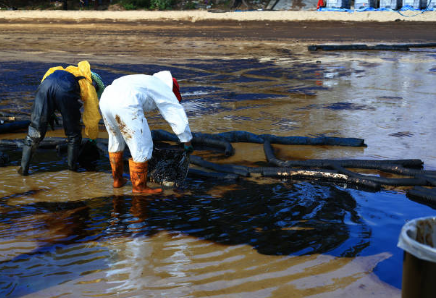
Mining Industry: Dust Protection Without Excessive Heat
Mining operations across South Africa, Zambia, and the Democratic Republic of Congo create environments where workers need protection against dust and airborne particles.
However, underground heat and physically demanding labor make heavy protective clothing difficult to tolerate.
This is why breathable Type 5 disposable coveralls for African mining environments are increasingly preferred over thicker, less ventilated alternatives.
For mining contractors, worker comfort often directly affects PPE compliance rates.
Food Processing and Manufacturing: Comfort During Long Shifts
Food processing workers may wear disposable coveralls for entire production shifts lasting eight to twelve hours.
In warm African factory environments, breathable disposable protective clothing becomes essential for maintaining comfort and operational efficiency.
Many factories now prioritize lightweight disposable coveralls for African manufacturing facilities because they help reduce fatigue during repetitive tasks.
Construction and Infrastructure Projects
Large infrastructure projects across Africa often involve outdoor work under intense sunlight.
Construction workers frequently move, lift, bend, and perform physically demanding labor throughout the day.
Heavy PPE can quickly become exhausting under these conditions.
As a result, contractors increasingly seek breathable disposable coveralls for African construction projects that provide protection without restricting movement or trapping excessive heat.
Understanding the Difference Between SMS and Microporous Coveralls
When discussing breathable disposable coveralls for African markets, two materials appear repeatedly:
- SMS
- Microporous film
Although both are widely used, they serve different purposes.
SMS Disposable Coveralls
SMS (Spunbond-Meltblown-Spunbond) material is lightweight and highly breathable.
These coveralls are commonly used for:
- General industrial work
- Inspections
- Food processing
- Low-risk maintenance
- Dust protection
SMS disposable coveralls for African climate conditions are often preferred when airflow and comfort are top priorities.
Microporous Disposable Coveralls
Microporous materials add a protective film layer that improves resistance to liquids and chemical splashes while still allowing some airflow.
These coveralls are widely used in:
- Oil & gas
- Industrial cleaning
- Chemical handling
- Maintenance shutdowns
Microporous disposable coveralls for Africa are often considered the best balance between protection and breathability.
👉Discover LIONCARE breathable coverall
Breathability Is Becoming a Procurement Requirement
A few years ago, many African PPE buyers focused primarily on price.
That mindset is changing.
Today, distributors and industrial buyers increasingly understand that uncomfortable PPE creates hidden costs:
- Lower worker productivity
- Higher replacement rates
- Poor compliance
- Increased safety incidents
- Worker dissatisfaction
Because of this, breathable disposable coveralls for hot climate industrial environments are becoming part of long-term procurement strategies rather than optional upgrades.
Why African Buyers Are Becoming More Selective About Manufacturers
Not all disposable coveralls marketed as "breathable" perform the same way.
Experienced distributors often evaluate:
- Fabric quality
- Material weight
- Moisture vapor transmission
- Seam construction
- Fit and ergonomics
- Long-shift comfort
Reliable manufacturers understand that African PPE buyers require products designed for real working environments rather than generic catalog specifications.
How Lioncare Supports African Markets with Breathable Disposable Coveralls
As demand for climate-appropriate PPE grows across Africa, manufacturers capable of balancing protection and comfort are becoming increasingly valuable partners.
Lioncare supplies breathable disposable coveralls designed for industrial, medical, and commercial applications across diverse African environments.
The company's product range includes:
- SMS disposable coveralls for lightweight comfort
- Microporous disposable coveralls for splash protection
- Chemical-resistant disposable coveralls for industrial safety
- Customized PPE solutions for distributors and contractors
By focusing on practical wearability alongside international protection standards, Lioncare helps distributors and industrial buyers source disposable coveralls suitable for Africa's climate realities.
Choosing the Right Breathable Coveralls Depends on the Application
There is no single "best" disposable coverall for Africa.
The right choice depends on:
- Industry type
- Temperature conditions
- Exposure risks
- Work duration
- Physical activity level
- Required certification standards
For example:
| Application | Recommended Material |
|---|---|
| Mining | Breathable Type 5 Microporous |
| Food Processing | Lightweight SMS |
| Oil & Gas Maintenance | Microporous Type 5/6 |
| Construction | Lightweight SMS |
| Chemical Handling | Type 4 Microporous |
Understanding these differences helps buyers avoid over-protection, under-protection, and unnecessary worker discomfort.
The Future of PPE in Africa Will Focus More on Wearability
Across Africa, industrial safety standards continue evolving.
But one trend is becoming increasingly clear:
The future of disposable PPE is not only about protection levels.
It is also about wearability.
As industries become more aware of heat stress, worker comfort, and long-shift productivity, breathable disposable coveralls will continue gaining importance.
Manufacturers that understand Africa's environmental conditions and operational realities will be better positioned to support long-term industrial growth across the continent.
Final Thoughts
In African markets, breathable disposable coveralls are no longer viewed as premium extras.
They are becoming practical necessities.
From oil & gas and mining to construction and food processing, workers need protective clothing that balances safety with comfort under demanding climate conditions.
For distributors, contractors, and industrial buyers, selecting breathable disposable coveralls for Africa is ultimately about more than fabric specifications.
It is about helping workers stay protected, productive, and comfortable throughout the realities of everyday work.