Understanding FFP1/FFP2/FFP3/N95/KN95 Masks
Nov 28, 2024
In today's industrial and healthcare environments, ensuring effective respiratory protection is critical for safeguarding workers from harmful airborne particles. Masks have become an essential part of modern life, especially during pandemics, where they play a critical role in personal protection. Beyond healthcare, industries like construction and agriculture also rely on high-performance masks to ensure safety. Among the most widely used masks are FFP1, FFP2, FFP3, N95, and KN95. Each has distinct filtration efficiency, application scenarios, and certification standards. This article provides a detailed overview of these masks to help industries and individuals make informed decisions.
1. Understanding the Standards: FFP1, FFP2, FFP3, N95, and KN95
What Are FFP Masks?
FFP masks (Filtering Face Piece) are categorized under the European EN 149:2001+A1:2009 standard. They are designed to protect wearers from airborne particles such as dust, mist, and fumes.
FFP1: Lowest filtration efficiency, suitable for low-risk environments.
FFP2: Medium filtration efficiency, effective in higher-risk scenarios.
FFP3: Highest filtration efficiency, providing maximum protection.
What Is an N95 Mask?
N95 masks are certified under the U.S. NIOSH (National Institute for Occupational Safety and Health) standard. They filter at least 95% of airborne particles and are widely used in healthcare and industrial settings.
What Is a KN95 Mask?
KN95 masks comply with China's GB2626 standard, offering performance similar to N95 masks. KN95 masks are a popular choice for personal and industrial use due to their balance of protection and comfort.
2. Filtration Efficiency and Performance
|
Mask Type |
Filtration Efficiency |
Leakage |
Application |
|
FFP1 |
≥80% |
≤22% |
Low-risk environments, such as construction and agriculture. |
|
FFP2 |
≥94% |
≤8% |
Moderate-risk environments, such as healthcare and mining. |
|
FFP3 |
≥99% |
≤2% |
High-risk environments, such as chemical plants and infectious disease control. |
|
N95 |
≥95% |
Tight fit (tested for leakage) |
Medical environments, industrial use, and construction sites. |
|
KN95 |
≥95% |
Tight fit (tested for leakage) |
Similar to N95; suitable for various industries and personal protection. |
3. Mask Designs: Tailored for Comfort and Functionality
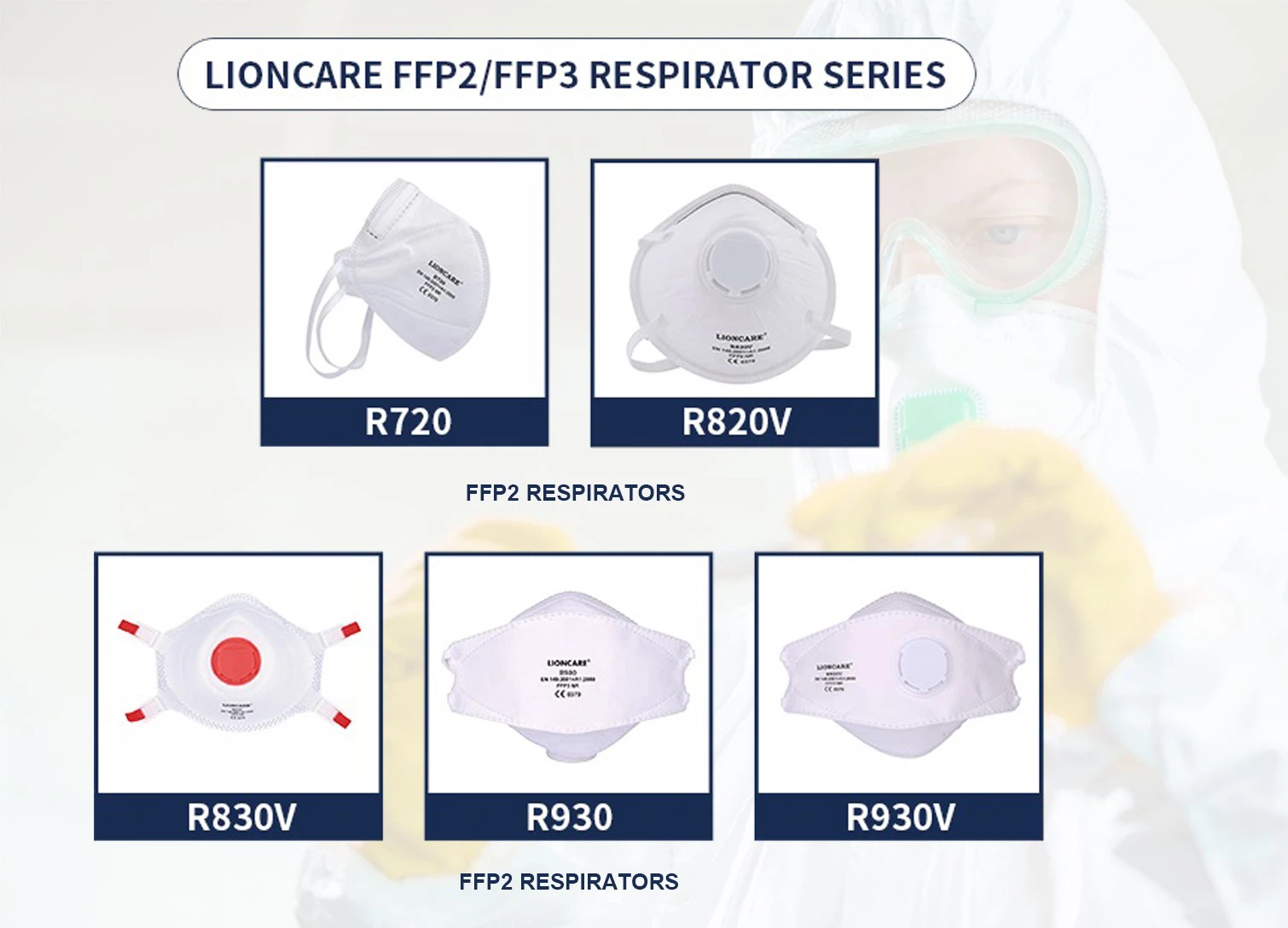
To ensure maximum effectiveness and usability, masks are available in several designs:
- Valve VS Non-Valve Masks
-With Valve:
Equipped with an exhalation valve to reduce heat and moisture build-up, these masks are ideal for prolonged use in industrial settings. However, valve masks are not recommended in healthcare environments, as they do not filter exhaled air.
-Without Valve:
These provide bi-directional filtration, making them suitable for healthcare and environments requiring sterile conditions.
- Strap Types
-Elastic Head-Strap:
Designed for a secure and comfortable fit, head-strap masks are commonly used in industrial applications where stability is crucial.
-Tie-On Straps:
Often used in medical settings, tie-on masks allow for adjustable fitting, ensuring compatibility with various face shapes.
- Mask Shapes
-Cup-Shaped:
Rigid and durable, these masks maintain their shape, providing a consistent fit and high-level protection.
-Foldable/Flat-Fold:
Lightweight and portable, foldable masks are convenient for storage and transportation without compromising performance.
4. The Differences Between FFP, N95, and KN95 Masks
- Filtration Standards:
-FFP masks focus on both filtration efficiency and inward leakage.
-N95 and KN95 masks prioritize filtration of non-oil-based particles but have varying fit test requirements.
- Fit and Comfort:
N95 and KN95 masks are designed to provide a tight seal to the face, while FFP masks are available in both loose-fitting and tight-fitting options.
- Testing Methods:
-FFP Masks: Tested against both oil- and non-oil-based particles.
-N95/KN95 Masks: Primarily tested using sodium chloride aerosols (NaCl).
5. Applications of FFP1, FFP2, FFP3, N95, and KN95 Masks
-
Industrial Use
-FFP1: Dusty workplaces with non-toxic particles, such as construction or light manufacturing.
-FFP2/N95: Environments with exposure to harmful particles, including mining, welding, and healthcare.
-FFP3: Extreme conditions like chemical handling, asbestos removal, and infectious disease control.
-
Healthcare Use
N95/KN95: Widely used in hospitals to protect against bacteria and viruses. Their high filtration efficiency makes them ideal for pandemic situations.
-
Personal Protection
KN95 masks are preferred for daily use in regions with poor air quality or during outbreaks, thanks to their affordability and ease of availability.
6. Factors to Consider When Choosing a Mask
- Environment:
Choose FFP1 for minimal hazards, FFP2/N95 for moderate hazards, and FFP3 for high-risk exposure.
- Fit and Comfort:
Ensure the mask provides a tight seal for maximum protection.
- Cost:
FFP3 masks and N95 masks are often more expensive due to their advanced filtration.
- Certifications:
Verify certifications like CE (FFP masks), NIOSH (N95), or GB2626 (KN95) to ensure compliance with safety standards.
7. Testing Standards for Protective Masks
-
European EN 149 Standard
FFP masks are tested for filtration efficiency and inward leakage using oil-based aerosols.
-
NIOSH Standard
N95 masks undergo strict NaCl aerosol testing for non-oil-based particles.
-
Chinese GB2626 Standard
KN95 masks are tested under conditions similar to NIOSH but may have slight variations in methodology.
8. Tips for Proper Use and Maintenance
- Correct Fit: Always perform a seal check after wearing the mask.
- Replacement: Replace masks when they become damp or after extended use.
- Storage: Store masks in a cool, dry place to maintain their integrity.
- Disposal: Dispose of used masks properly to prevent contamination.
9. Why Choose Certified Industrial Masks?
Investing in certified masks such as FFP1, FFP2, FFP3, N95, or KN95 ensures:
- Reliable protection against harmful airborne particles.
- Compliance with industry safety standards.
- Enhanced workplace safety and productivity.
10. Features of LIONCARE's Industrial Protective Masks
HUBEI LIONCARE PROTECTIVE PRODUCTS CO., LTD manufactures high-quality FFP1, FFP2, FFP3, N95, and KN95 masks designed to meet international standards. Here's what sets our products apart:
- Customizable Options
-Available with or without valves to suit various industries.
-Options for head-straps or tie-on designs for enhanced comfort.
-Multiple shapes, including cup-shaped and foldable designs.
- Eco-Friendly Materials
We prioritize sustainable manufacturing practices, using skin-friendly and recyclable materials to reduce environmental impact.
- Advanced Filtration Layers
Multi-layered protection with melt-blown fabric for superior filtration efficiency.
- OEM Services
We offer customizable branding and packaging to meet the unique needs of our clients, making us a trusted partner for PPE suppliers worldwide.
Whether you're working in construction, healthcare, or chemical industries, choosing the right mask is crucial for protection against airborne hazards. FFP1, FFP2, FFP3, N95, and KN95 masks offer varying levels of filtration and comfort to suit different needs.By understanding their differences and applications, you can ensure the safety of yourself and your team in demanding environments. Always prioritize certified, high-quality masks for effective respiratory protection. We are committed to providing safe, reliable, and eco-friendly masks that meet the highest standards of quality. Contact us today to learn more about our products or to discuss your PPE requirements.