PPE Requirements For German Construction Industry
Jul 03, 2026
Germany's construction sector is highly regulated, and PPE compliance is strictly enforced on every job site-from large infrastructure projects to small renovation works. For contractors, importers, and safety managers, understanding disposable PPE requirements in the German construction industry is essential not only for legal compliance, but also for worker safety and project approval.
Unlike general workwear systems, German construction sites increasingly rely on disposable PPE solutions such as coveralls, masks, shoe covers, and protective hoods to reduce contamination risks, improve hygiene control, and simplify site management.
This guide focuses specifically on disposable PPE requirements in Germany, including EN standards, application scenarios, and how to choose the right protective products for construction environments.
1. Regulatory System for Disposable PPE in Germany

Disposable PPE used in German construction must comply with both EU-wide and national safety regulations. The core legal framework is:
Key regulations:
- EU PPE Regulation (EU) 2016/425
- German DGUV safety requirements
- EN harmonized standards for protective clothing
Mandatory compliance requirements:
- CE marking on all PPE products
- EU Declaration of Conformity
- EN standard testing reports
- Risk-based PPE selection documentation
For disposable protective clothing, compliance is mainly based on:
- EN ISO 13688 – General PPE requirements
- EN ISO 13982-1 (Type 5) – Solid particle protection
- EN 13034 (Type 6) – Limited chemical splash protection
- EN 14126 – Biological hazard protection
- EN 1149-5 – Anti-static protection
These standards define the minimum requirements for disposable coveralls used in German construction environments.
2. Why Disposable PPE Is Widely Used in German Construction

Disposable PPE has become a standard solution in many German construction projects due to its practicality and compliance advantages.
Key advantages:
- Eliminates cross-contamination between job sites
- Reduces cleaning and maintenance costs
- Ensures consistent protection level per use
- Faster PPE replacement during high-risk operations
Common construction applications:
- Building renovation and demolition
- Asbestos removal projects
- Industrial maintenance and cleaning
- Painting and coating work
- Dust-heavy drilling and cutting operations
In Germany, disposable coveralls are especially important in old building refurbishment projects, where asbestos and fine dust exposure risks are higher.
3. Disposable Coveralls Requirements in Germany Construction Sites

Disposable coveralls are the core product in construction PPE systems. In Germany, they must meet strict performance expectations depending on risk level.
3.1 Required performance levels
- Type 5 (EN 13982-1): Protection against solid airborne particles (dust, silica, asbestos fibers)
- Type 6 (EN 13034): Protection against light liquid splashes (paint, chemicals)
3.2 Essential design features:
- Elastic hood, wrists, and ankles for full sealing
- Two-way or covered zipper system
- Anti-static treatment (EN 1149-5)
- Breathable microporous or SMS fabric
- Reinforced seams for high-dust environments
3.3 Common materials used:
- Microporous laminated film nonwoven
- SMS polypropylene fabric
- PE-coated protective layers for liquid resistance
In German construction environments, microporous disposable coveralls are often preferred due to their balance of comfort and protection during long working hours.
4. Other Essential Disposable PPE Products for Construction Sites

In addition to coveralls, German construction PPE systems include several disposable protective items:
4.1 Respiratory protection
- FFP2 masks for general dust exposure
- FFP3 respirators for asbestos or fine hazardous particles
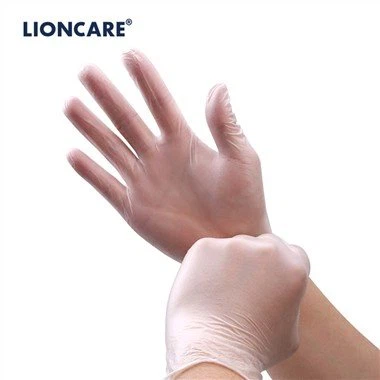
4.2 Disposable gloves
- Nitrile gloves for chemical resistance
- Latex or PE gloves for light-duty tasks
4.3 Shoe covers
- Prevent contamination spread between zones
- Required in clean renovation or indoor finishing work
4.4 Head protection accessories
- Disposable bouffant caps
- Hood integration with coveralls for full sealing
These disposable PPE products are often used together as a complete protection system, especially in high-risk renovation projects.
5. How to Choose Disposable PPE for German Construction Projects
Selecting the right disposable PPE is not only about certification-it must match the actual job environment.
5.1 Risk-based selection model
- Dust-heavy demolition → Type 5 microporous coveralls
- Paint & coating work → Type 6 chemical splash protection
- Asbestos removal → Type 5 + EN 14126 protection
- Electrical environments → Anti-static PPE required
5.2 Comfort and durability considerations
German workers often wear PPE for long shifts, so the following are critical:
- Breathability to reduce heat stress
- Flexible material for mobility
- Lightweight structure for long wear time
5.3 Compliance verification checklist
Before procurement, always confirm:
- CE certification validity
- EN test reports from accredited labs
- Full traceability of product batch
- Clear labeling of PPE category and type
6. Common Mistakes in Disposable PPE Procurement in Germany
Many PPE failures on construction sites are caused by procurement mistakes rather than product quality issues.
Mistake 1: Using non-EN certified disposable coveralls
This can result in site rejection or legal penalties.
Mistake 2: Ignoring Type classification
Type 6 coveralls are not suitable for asbestos or heavy dust environments.
Mistake 3: Overlooking anti-static requirements
Especially important in renovation sites with electrical tools or flammable dust.
Mistake 4: Choosing low-breathability materials
This leads to discomfort and reduced compliance among workers.
7. Industrial Supply Solution for Disposable PPE
For European importers and construction safety distributors, stable supply and certification consistency are key factors.
A professional manufacturer such as HUBEI LIONCARE PROTECTIVE PRODUCTS CO., LTD provides a full range of construction-grade disposable PPE, including:
- Type 5 & Type 6 disposable coveralls
- Microporous and SMS protective suits
- Anti-static industrial protective clothing
- OEM/ODM private label production
- Bulk supply for EU distribution networks
These products are designed specifically for European construction compliance requirements, ensuring stable quality across large-scale projects.
8. Key Takeaway
Disposable PPE plays a critical role in meeting German construction safety requirements, especially in high-risk environments such as demolition, renovation, and industrial maintenance.
To stay compliant, contractors must ensure:
- Proper EN-certified disposable PPE selection
- Correct Type 5/6 classification usage
- Full CE documentation from suppliers
- Risk-based PPE deployment on site
With increasing safety enforcement in Germany, disposable PPE is no longer optional-it is a core operational requirement for modern construction projects.
FAQ: Disposable PPE Requirements in German Construction Industry
Q: Is disposable PPE mandatory in German construction sites?
A: Yes. Disposable PPE such as coveralls and masks is required in many high-risk environments like demolition, asbestos removal, and renovation work.
Q: What disposable coverall standards are required in Germany?
A: The main standards include EN 13982-1 (Type 5), EN 13034 (Type 6), EN 14126, and EN 1149-5.
Q: What is the difference between Type 5 and Type 6 disposable coveralls?
A: Type 5 protects against dust and solid particles, while Type 6 provides limited protection against light liquid splashes.
Q: Are disposable coveralls suitable for asbestos removal in Germany?
A: Yes, but they must be Type 5 certified and often combined with EN 14126 biological protection requirements.
Q: What materials are best for disposable PPE in construction?
A: Microporous laminated nonwoven and SMS polypropylene materials are most commonly used for German construction applications.