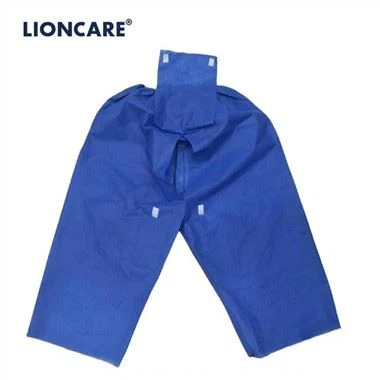
Maximizing Protection With Chemical-Resistant Disposable Coveralls
Aug 29, 2024

In industries where workers are exposed to hazardous chemicals, ensuring their safety becomes a top priority. One of the most effective protective measures is the use of chemical-resistant disposable coveralls. These garments provide a robust defense against harmful substances, making them essential in environments like chemical processing plants, laboratories, and cleaning operations. In this article, we'll explore the key aspects of chemical-resistant disposable coveralls, their benefits, and why they are an indispensable part of workplace safety.
Understanding Chemical-Resistant Disposable Coveralls
Chemical-resistant disposable coveralls are designed to protect workers from exposure to dangerous chemicals, including liquids, vapors, and particles. Made from specialized materials, these coveralls are engineered to withstand chemical splashes, ensuring that the wearer's skin and clothing remain protected.
Features:
- Barrier Protection: The materials used in these coveralls act as a barrier, preventing chemicals from penetrating through to the skin.
- Lightweight and Breathable: Despite their protective qualities, many chemical-resistant coveralls are designed to be lightweight and breathable, allowing for extended wear without discomfort.
- Disposable: Being disposable ensures that once contaminated, the coverall can be safely discarded, reducing the risk of cross-contamination or prolonged exposure.
Why Chemical Resistance Matters
In environments where hazardous chemicals are present, even a small exposure can lead to severe health risks, including chemical burns, respiratory issues, and long-term illnesses. Chemical-resistant disposable coveralls play a crucial role in minimizing these risks by providing a physical barrier that protects the wearer from direct contact with harmful substances.
Common Chemicals: These coveralls are typically resistant to a range of chemicals, including:
- Acids and alkalis
- Organic solvents
- Pesticides
- Industrial cleaning agents
- Each of these chemicals can cause varying levels of harm, making the use of appropriate protective gear non-negotiable.
Choosing the Right Disposable Coverall
When selecting a chemical-resistant disposable coverall, it's important to consider the following factors:
- Chemical Compatibility: Ensure the coverall material is compatible with the specific chemicals in your environment.
- Level of Exposure: Assess the potential level of exposure to determine if you need coveralls with higher resistance properties.
- Comfort and Fit: Choose a coverall that allows for ease of movement while maintaining full coverage. A good fit is essential for both safety and productivity.
Industry Applications
Chemical-resistant disposable coveralls are used across a wide range of industries, including:
- Chemical Manufacturing: Workers handling hazardous chemicals need reliable protection to prevent exposure.
- Pharmaceuticals: Protection against chemical spills during the production of drugs is crucial.
- Agriculture: Farmers and pesticide applicators rely on chemical-resistant coveralls to protect against toxic chemicals.
- Hazardous Waste Management: Handling and disposing of hazardous waste requires full-body protection to avoid contamination.
In today's industrial landscape, the importance of chemical-resistant disposable coveralls cannot be overstated. By providing an effective barrier against harmful substances, these coveralls help ensure the safety and well-being of workers in high-risk environments. When selecting a coverall, it's essential to choose one that is specifically designed to handle the chemicals present in your workplace, offering the highest level of protection possible.
Investing in high-quality, chemical-resistant disposable coveralls not only protects workers but also enhances overall workplace safety, reducing the risk of accidents and long-term health issues.