PPE Requirements For African Construction Projects
Jun 17, 2026
Construction activity across Africa is expanding rapidly, driven by infrastructure development, urbanization, mining, and energy projects. From roadworks in East Africa to commercial buildings in West Africa and large-scale mining operations in Southern Africa, one factor remains constant: worker safety depends heavily on proper PPE compliance.
Understanding PPE requirements for African construction projects is not only about meeting legal standards-it is about reducing accidents, improving productivity, and ensuring international contractors can operate safely in diverse environmental conditions.
This guide breaks down the essential PPE standards, regional safety expectations, and practical selection advice for contractors, procurement teams, and safety managers working in African construction environments.
Why PPE Requirements Matter in African Construction Environments
African construction sites present unique working conditions that directly influence PPE selection:
- High temperatures and humidity in regions like West and Central Africa
- Dust-heavy environments in road and infrastructure projects
- Chemical exposure in mining and industrial construction
- Increased UV radiation in open-site operations
- Remote project locations with limited medical response time
Because of these factors, standard PPE used in temperate regions is often not sufficient. Companies must adopt task-specific and climate-adapted protective solutions.
This is where professional PPE manufacturers like Lioncare play an important role, offering construction-grade protective coveralls and disposable PPE designed for harsh environments.
Core PPE Requirements for African Construction Projects
While regulations may vary by country, most African construction sites follow internationally recognized safety principles such as OSHA-equivalent frameworks, EN standards, or employer-specific HSE policies.
Below are the essential PPE categories required on most construction sites:
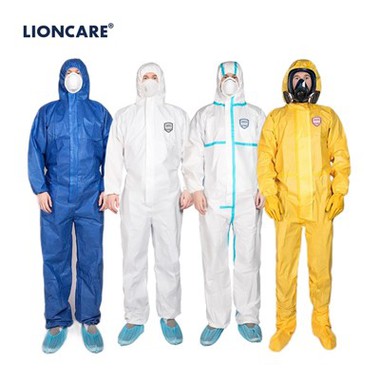
1. Protective Coveralls (Body Protection)
Protective coveralls are one of the most critical PPE items in construction.
Typical requirements include:
- Tear-resistant fabric (SMS, microporous, or polypropylene)
- High breathability for hot climates
- Dust and particulate protection
- Optional chemical splash resistance
- High-visibility reflective strips for roadside work

👉https://www.lioncare.net/industrial-protection/disposable-coveralls/
For African projects, many contractors prefer lightweight disposable coveralls for construction workers in Africa to reduce laundering costs and ensure hygiene in remote areas.
👉 Lioncare disposable coveralls are widely used in infrastructure and industrial projects due to their balance of comfort, protection, and cost efficiency.
2. Head Protection (Safety Helmets)
Hard hats are mandatory across nearly all African construction sites.
Key specifications:
- Impact-resistant ABS or HDPE material
- UV resistance for outdoor use
- Adjustable suspension system
- Optional chin strap for windy or elevated work areas
Helmets are often color-coded for site roles (engineers, workers, supervisors).
3. Eye and Face Protection
Dust, debris, and grinding operations make eye protection essential.
Required PPE includes:
- Safety goggles for dust-heavy environments
- Face shields for cutting and welding tasks
- Anti-fog coatings for humid regions

Eye protection is especially important in road construction PPE requirements in Africa, where airborne dust exposure is constant.
4. Respiratory Protection
Respiratory hazards are common in African construction due to:
- Cement dust
- Silica exposure
- Chemical vapors
- Welding fumes
Common PPE includes:
- Disposable FFP2/FFP3 masks
- Half-face respirators with filters
- Full-face respirators for chemical environments

In large infrastructure projects, disposable respiratory PPE for African construction workers is often preferred for hygiene and convenience.
5. Hand Protection (Safety Gloves)
Gloves must be selected based on task type:
- Heavy-duty latex or nitrile gloves for general construction
- Cut-resistant gloves for steel and rebar handling
- Chemical-resistant gloves for industrial coatings or cleaning

Poor glove selection is one of the most common causes of preventable site injuries.
6. Foot Protection (Safety Boots)
Safety boots are essential for all construction environments.
Key features:
- Steel toe or composite toe protection
- Anti-slip soles for uneven terrain
- Oil and chemical resistance
- Heat-resistant outsole for hot surfaces
In African infrastructure projects, boots must also withstand mud, dust, and long working hours.
Climate Challenges and PPE Adaptation in Africa
One of the most overlooked aspects of PPE requirements for African construction projects is climate adaptation.
Heat Stress Management
Workers often face extreme heat, making traditional PPE uncomfortable. This increases the risk of heat exhaustion.
Solution:
- Lightweight breathable coveralls
- Ventilated helmets
- Moisture-wicking inner layers
Dust and Wind Exposure
Roadworks, mining, and excavation generate high dust levels.
Solution:
- Microporous coveralls
- FFP2/FFP3 masks
- Sealed goggles
Remote Site Logistics
Many African projects operate in remote regions.
Solution:
- Disposable PPE to reduce washing logistics
- Bulk packaging PPE supply models
- Reliable PPE sourcing from international suppliers like Lioncare
Regulatory Frameworks and Compliance Expectations
Although African countries differ in legislation, most construction safety systems align with:
- International Labour Organization (ILO) guidelines
- EU PPE Regulation (EU) 2016/425 (for imported PPE standards)
- OSHA-inspired safety frameworks
- Local Ministry of Labour safety codes
Contractors working for multinational projects (oil & gas, infrastructure, mining) are often required to comply with EN-certified PPE standards, especially:
- EN ISO 13688 (protective clothing general requirements)
- EN 14605 (liquid chemical protection)
- EN 13982 (solid particle protection)
- EN 14126 (infective agent protection in specific environments)
This makes certified PPE suppliers critical for project approval and audits.
Choosing the Right PPE Supplier for African Projects
Procurement teams should evaluate PPE suppliers based on:
1. Certification Compliance
Ensure products meet EN or equivalent international standards.
2. Climate Suitability
PPE must be suitable for high heat and dust environments.
3. Supply Stability
African projects often require bulk and repeat shipments.
4. Cost Efficiency
Disposable PPE often reduces total lifecycle cost.
5. Industry Experience
Suppliers familiar with construction, mining, and oil & gas sectors are preferred.
Why Lioncare PPE Is Used in African Construction Projects
Lioncare has become a reliable PPE partner for African infrastructure and industrial contractors due to:
- Factory-direct manufacturing capability
- Wide range of disposable coveralls for construction use
- EN-certified protective clothing
- Strong export experience to Africa and the Middle East
- Consistent bulk supply for large-scale projects
Products such as microporous coveralls, SMS coveralls, and Type 5/6 protective suits are widely used in dusty and chemical-exposed environments.
For contractors managing multi-site projects, Lioncare provides scalable PPE solutions that balance protection, comfort, and cost control.
Common Mistakes in PPE Implementation on African Sites
Even with good intentions, many projects fail in PPE execution due to:
- Using PPE designed for European climates without adaptation
- Ignoring heat stress risks
- Poor enforcement of PPE usage rules
- Inconsistent supplier quality
- Underestimating dust and silica exposure
A strong PPE program must include training, supervision, and proper procurement planning-not just equipment supply.
Future Trends in Construction PPE in Africa
The PPE market in Africa is evolving rapidly. Key trends include:
- Growth in disposable PPE adoption
- Increased demand for lightweight breathable coveralls
- Stronger enforcement of safety compliance by governments
- Expansion of mining and infrastructure PPE demand
- Shift toward certified imported PPE solutions
As projects become more complex, PPE standards will continue to rise across the continent.
FAQ: PPE Requirements for African Construction Projects
Q: What PPE is mandatory for construction sites in Africa?
A: Mandatory PPE typically includes helmets, safety boots, high-visibility clothing, gloves, eye protection, and respiratory protection depending on the task.
Q: Are disposable coveralls suitable for African construction work?
A: Yes. Lightweight disposable coveralls are widely used due to heat conditions, dust exposure, and remote site logistics.
Q: What standards should PPE meet for African projects?
A: Most international projects require EN standards such as EN ISO 13688, EN 13982, and EN 14126, or equivalent certifications.
Q: How do hot climates affect PPE selection?
A: Hot climates require breathable, lightweight PPE to reduce heat stress while maintaining protection from dust and chemicals.
Q: Why is PPE compliance important in African construction?
A: It reduces workplace injuries, ensures legal compliance, improves productivity, and meets international contractor requirements.
Q: Can Lioncare supply PPE for large African construction projects?
A: Yes. Lioncare specializes in bulk supply of certified disposable coveralls and PPE for infrastructure, mining, and industrial projects across Africa.