How To Reduce Risk For People Working With Or Exposed To Animals
Aug 26, 2024
Guidance for Workers
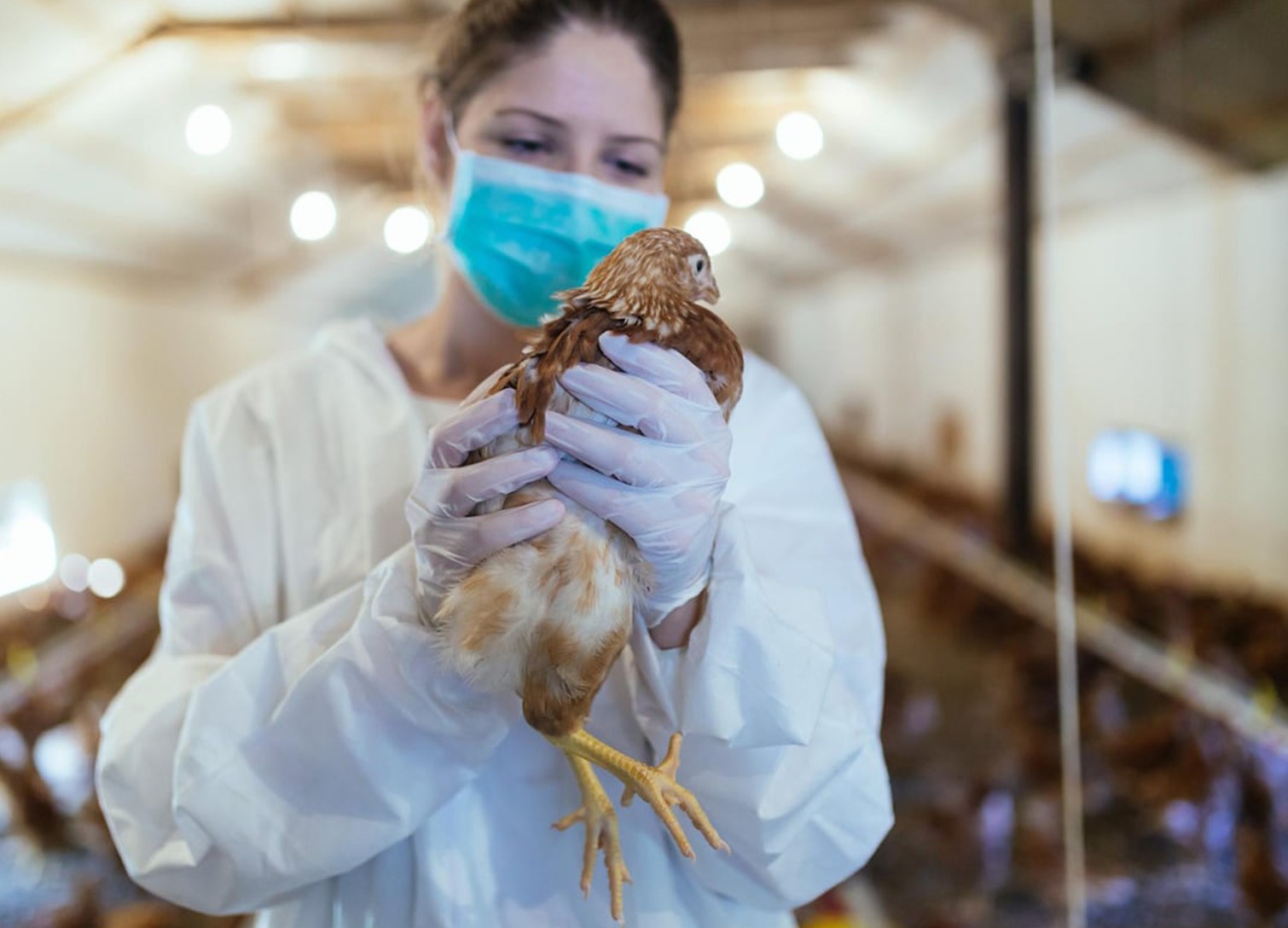
To protect yourself from avian influenza A viruses linked to serious illness while working with animals or animal products, including raw milk, that are confirmed or suspected to be infected with these novel influenza viruses, it's important to take preventive measures. Those who might be at risk include:
- Poultry and livestock farmers and their staff
- Owners of backyard bird flocks
- Veterinarians and veterinary personnel
- Animal health and public health responders
- Workers in slaughterhouses, especially those handling lactating dairy cattle, involved in tasks such as:
- Handling live lactating dairy cattle during unloading or holding
- Performing postmortem inspections or managing carcasses and viscera
- Transporting udders for processing
Precautions
Avoid any unprotected direct or close contact with:
- Sick birds, livestock, or other animals
- Carcasses of animals that have died from unknown causes
- Raw milk
- Viscera or udders from dairy cattle
- Animal waste, including feces or contaminated surfaces and water sources on farms where animals might be infected
When entering buildings that have not been disinfected and where potentially infected animals have been housed, it's crucial to wear appropriate personal protective equipment (PPE) beyond what you usually wear. The specific PPE required will depend on the hazards present, as determined by a site-specific risk assessment. If uncertain about the type of PPE needed, consult your supervisor.
Recommended PPE for Protection Against Novel Influenza A Viruses:
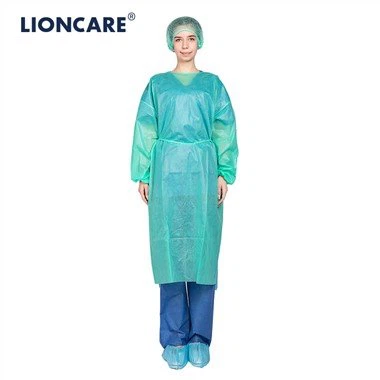
- Fluid-resistant coveralls (disposable or non-disposable) with an optional waterproof apron depending on the task
- A NIOSH Approved® particulate respirator (e.g., N95® or higher)
- Safety goggles or a face shield if there is a risk of liquid splashes
- Sanitizable or disposable rubber boots or boot covers
- A head or hair cover (disposable or non-disposable)
- Gloves (disposable or non-disposable)
While Wearing PPE:
- Avoid touching your face, especially your eyes, mouth, or nose, after coming into contact with contaminated materials
- Refrain from eating, drinking, smoking, or using the bathroom
- Use separate clean areas for putting on and removing PPE
Proper Donning and Doffing of PPE:
Putting on PPE: Ensure a clean environment and follow this sequence:
- Wash your hands with soap and water
- Put on fluid-resistant coveralls
- Add a waterproof apron if necessary
- Wear the NIOSH Approved® respirator
- Put on safety goggles or a face shield
- Cover your head or hair
- Wear gloves
- Put on boots or boot covers
Removing PPE: Dispose of any disposable PPE appropriately, and clean reusable items after each use. Remove PPE in this order:
- Remove the apron, if worn
- Clean and disinfect boots or boot covers
- Take off boots or boot covers
- Remove coveralls
- Take off gloves
- Wash your hands or use an alcohol-based sanitizer
- Remove goggles or the face shield
- Take off the respirator
- Remove the head cover
- Wash your hands again
When removing PPE, handle the least contaminated parts to reduce the risk of transferring contaminants to your skin or clothing.
Cleaning and Disinfecting Reusable PPE:
- Choose an EPA-approved disinfectant effective against influenza A viruses.
- Follow the manufacturer's instructions for safe use.
- Clean visible dirt from reusable PPE.
- Disinfect according to guidelines.
After PPE Removal:
If possible, shower after your work shift and change into clean clothing. If shower facilities are not available, clean up, change into uncontaminated clothing, and shower as soon as possible.
Leave contaminated clothing and equipment at the worksite.
Do not take contaminated items home.
Wash soiled clothing on-site if possible, using hot water and detergent. Machine dry at the highest suitable temperature. If laundering at home, keep contaminated items separate from household laundry and dry thoroughly.
Monitoring for Symptoms:
Self-monitor for symptoms daily while working with potentially infected animals and for 10 days after your last exposure. If you feel unwell during this period, isolate yourself, inform your supervisor, and seek medical advice.
Guidance for Employers
All PPE usage should comply with OSHA regulations (29 CFR part 1910, Subpart I), including selecting appropriate PPE based on a specific risk assessment. Workers need training to understand when and how to use PPE correctly, how to maintain it, and its limitations.
Respirator use should be part of a comprehensive respiratory protection program in accordance with OSHA's Respiratory Protection standard (29 CFR 1910.134). Staff needing respirators must be medically cleared, trained, and fit-tested. Detailed information on these procedures is available in OSHA's Respiratory Protection eTool.
PPE Training Should Cover:
- Proper fit-testing and use of respirators
- Safe removal and disposal of respirators
- Cleaning and disinfecting reusable respirators, and determining when to replace cartridges
- Recognizing medical contraindications to respirator use
- Ensuring the use of NIOSH Approved® respirators
Additional Considerations
Employers and workers should be aware of potential risks when using PPE:
- Respirators: For untrained individuals, including children, respirators may not provide full protection due to improper fit. Proper training and fit testing are crucial for effectiveness.
- Heat Illness: PPE can increase the risk of heat-related illnesses. Visit "Limiting Heat Burden While Wearing PPE" for more information.
- Vision: Fogging of goggles and face shields can reduce visibility. Workers should remain vigilant to avoid hazards such as trips, falls, or injuries.