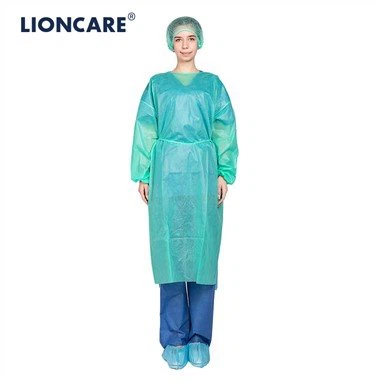
Chemical Disposable Coveralls For Germany Manufacturing
Jul 09, 2026
Germany is Europe's industrial powerhouse. From automotive production and chemical processing to pharmaceutical manufacturing and precision engineering, factories operate under some of the world's strictest workplace safety regulations. Employees handling hazardous liquids, solvents, powders, resins, acids, and industrial chemicals require reliable chemical disposable coveralls that meet European compliance standards while maintaining comfort during long production shifts.
For procurement managers, PPE distributors, and manufacturing companies, selecting the right chemical disposable coveralls for Germany manufacturing sector is about much more than purchasing protective clothing. It is about protecting workers, complying with EU legislation, reducing liability, and ensuring uninterrupted production.
This guide explains everything buyers need to know before sourcing chemical protective coveralls for German industrial environments-and why choosing an experienced manufacturer like Lioncare can simplify global procurement.
Why Chemical Disposable Coveralls Matter in German Manufacturing

Germany's manufacturing industry covers numerous sectors where chemical exposure is part of daily operations, including:
- Chemical production
- Automotive painting
- Industrial coating
- Electronics manufacturing
- Pharmaceutical production
- Battery manufacturing
- Industrial maintenance
- Surface treatment
- Laboratory operations
Workers in these industries may encounter:
- Chemical splashes
- Fine hazardous particles
- Oil mist
- Industrial solvents
- Acid and alkali solutions
- Resin and adhesive materials
Disposable chemical protective clothing helps prevent contaminants from reaching skin or personal clothing while reducing cross-contamination between work zones.
Unlike reusable garments that require laundering and inspection, disposable coveralls provide consistent protection every time they are worn, making them a practical solution for many German manufacturing facilities.
German Manufacturing Has Strict PPE Expectations
German employers operate under rigorous workplace safety systems that require hazard assessments and appropriate personal protective equipment.
Most industrial facilities expect disposable chemical coveralls to comply with:
- CE Certification
- EU PPE Regulation (EU) 2016/425
- EN ISO 13688
- EN 14605
- EN ISO 13982-1
- EN 1149-5
- EN 14126 (when biological hazards exist)
These standards define protection against chemical splashes, airborne particles, electrostatic discharge, and biological contamination depending on workplace risks.
Understanding Chemical Protection Types
Choosing the correct protection level is one of the most important purchasing decisions.
| Protection Type | Standard | Suitable Applications |
|---|---|---|
| Type 6 | EN 13034 | Light chemical splashes |
| Type 5 | EN ISO 13982-1 | Hazardous dry particles |
| Type 4 | EN 14605 | Spray-tight chemical protection |
| Type 3 | EN 14605 | Liquid-tight chemical protection |
For many German manufacturing plants involving chemical spraying, liquid handling, or aggressive cleaning agents, Type 3 or Type 4 coveralls are often preferred depending on the level of exposure.
What Features Should Buyers Look For?

Not every disposable coverall is designed for chemical protection. Professional buyers usually evaluate several performance factors before placing bulk orders.
1. Microporous Film Laminate
Microporous laminated fabrics provide an excellent balance between:
- Liquid barrier performance
- Particle filtration
- Breathability
- Wearing comfort
These materials are widely used in chemical manufacturing because they resist liquid penetration while allowing moisture vapor to escape.
2. Taped Seams
Seams are often the weakest point of protective clothing.
Taped seams significantly improve resistance against chemical penetration and are recommended for higher-risk industrial environments.
3. Elastic Hood and Cuffs
A well-designed hood, wrists, ankles, and waist help minimize exposure around garment openings while improving wearer mobility.
4. Two-Way Zipper with Storm Flap
The zipper area should include a protective storm flap to reduce potential leakage during chemical handling.
5. Anti-Static Performance
German factories handling flammable solvents, coatings, or explosive dusts frequently require anti-static garments certified to EN 1149-5.
Typical Manufacturing Applications
Chemical disposable coveralls are widely used across German industry.
Chemical Production
Workers handling acids, alkalis, catalysts, and industrial solvents require garments capable of resisting chemical splash exposure.
Automotive Manufacturing
Vehicle production involves:
- Paint booths
- Primer application
- Surface preparation
- Cleaning operations
Disposable chemical coveralls prevent contamination while protecting workers from overspray.
Pharmaceutical Manufacturing
Many pharmaceutical facilities require disposable protective clothing that minimizes contamination while maintaining worker hygiene.
Battery Manufacturing
Battery production increasingly involves electrolyte handling and chemical processing where reliable protective clothing is essential.
Industrial Equipment Maintenance
Maintenance teams often work around oils, degreasers, hydraulic fluids, and cleaning chemicals, making disposable chemical coveralls a practical PPE choice.
Why Breathability Is Becoming More Important
German manufacturers increasingly recognize that uncomfortable PPE can reduce worker compliance.
Modern microporous disposable coveralls offer:
- Lower heat stress
- Better moisture management
- Improved mobility
- Reduced fatigue during extended shifts
Comfort has become nearly as important as protection because workers are more likely to wear PPE correctly throughout an entire shift.
How Procurement Teams Evaluate Suppliers
Selecting a supplier involves much more than comparing prices.
Professional procurement departments generally assess:
- CE certification documentation
- EN test reports
- Production capacity
- Quality consistency
- Batch traceability
- OEM capability
- Lead time stability
- Export experience
- Packaging customization
- Technical support
Reliable documentation is especially important for German importers seeking smooth customs clearance and regulatory compliance.
Why More European Buyers Choose Lioncare

As an experienced disposable PPE manufacturer, Lioncare supplies chemical protective clothing to distributors, industrial safety companies, healthcare organizations, and OEM brands worldwide.
Our chemical disposable coveralls are designed to support demanding industrial applications through:
- CE-certified production
- Compliance with relevant EN standards
- Microporous laminated materials
- Type 3, Type 4, Type 5, and Type 6 product options
- Taped seam construction for higher-risk environments
- OEM and private label services
- Stable manufacturing capacity
- Strict batch quality control
- Professional export documentation
- Flexible packaging customization
Whether you are sourcing for chemical plants, automotive manufacturers, pharmaceutical facilities, or industrial maintenance contractors, Lioncare helps simplify procurement while maintaining reliable product quality.
Tips for Importing Chemical Coveralls into Germany
Before placing an order, buyers should verify:
✅ CE marking
✅ EU Declaration of Conformity
✅ Product test reports
✅ Applicable EN standards
✅ User instructions in required languages
✅ Product labeling compliance
✅ Packaging specifications
Taking these steps helps reduce import risks while ensuring products meet customer expectations.
Final Thoughts
Germany's manufacturing industry continues to demand higher levels of workplace safety, particularly in chemical processing environments where even minor exposure incidents can have serious consequences.
Choosing the correct chemical disposable coveralls for Germany manufacturing sector requires balancing protection level, comfort, regulatory compliance, and supplier reliability.
For importers and industrial distributors, partnering with an experienced manufacturer like Lioncare means gaining access to certified products, consistent production quality, flexible OEM services, and dependable international logistics-all essential for long-term business success in the European PPE market.
FAQ
Q: What type of disposable coveralls are commonly used in German chemical factories?
A: Most facilities use Type 4 or Type 3 chemical protective coveralls depending on the level of liquid chemical exposure. Type 5 and Type 6 garments are also common for dust and limited splash protection.
Q: Are CE-certified chemical coveralls mandatory in Germany?
A: Yes. Disposable chemical protective clothing supplied to the German market must comply with EU PPE Regulation (EU) 2016/425 and carry valid CE certification.
Q: Which material is best for chemical disposable coveralls?
A: Microporous laminated fabric is widely preferred because it offers excellent liquid barrier performance while maintaining breathability and wearer comfort.
Q: Why are taped seams important?
A: Taped seams improve resistance to chemical penetration by sealing stitched areas, making them suitable for higher-risk chemical applications.
Q: Can Lioncare provide OEM chemical disposable coveralls?
A: Yes. Lioncare supports OEM and private-label manufacturing, customized packaging, multilingual labeling, and bulk export solutions for distributors, wholesalers, and industrial PPE brands worldwide.