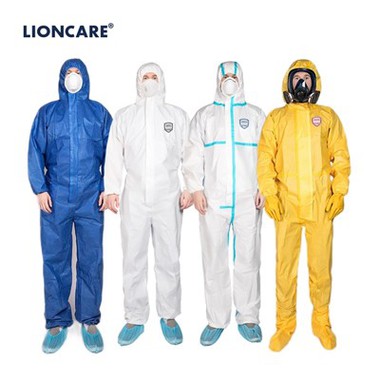
Pesticide Spraying PPE Checklist: How To Protect Workers From Head To Toe
Nov 19, 2026
Pesticide spraying is a routine task in agriculture, but it can expose workers to chemicals through skin contact, inhalation, and eye exposure. Without the right protective equipment, even a short application task can create unnecessary occupational risks.
Choosing pesticide spraying PPE is not simply a matter of wearing a coverall, gloves, and a mask. The right combination depends on the pesticide formulation, application method, exposure conditions, and the personal protective equipment specified on the product label.
For farm operators, agricultural contractors, and PPE procurement teams, a complete protection plan should cover every part of the body - from the head and eyes to the hands and feet.
This guide provides a practical pesticide spraying PPE checklist to help employers select, inspect, and manage protective equipment for pesticide application.
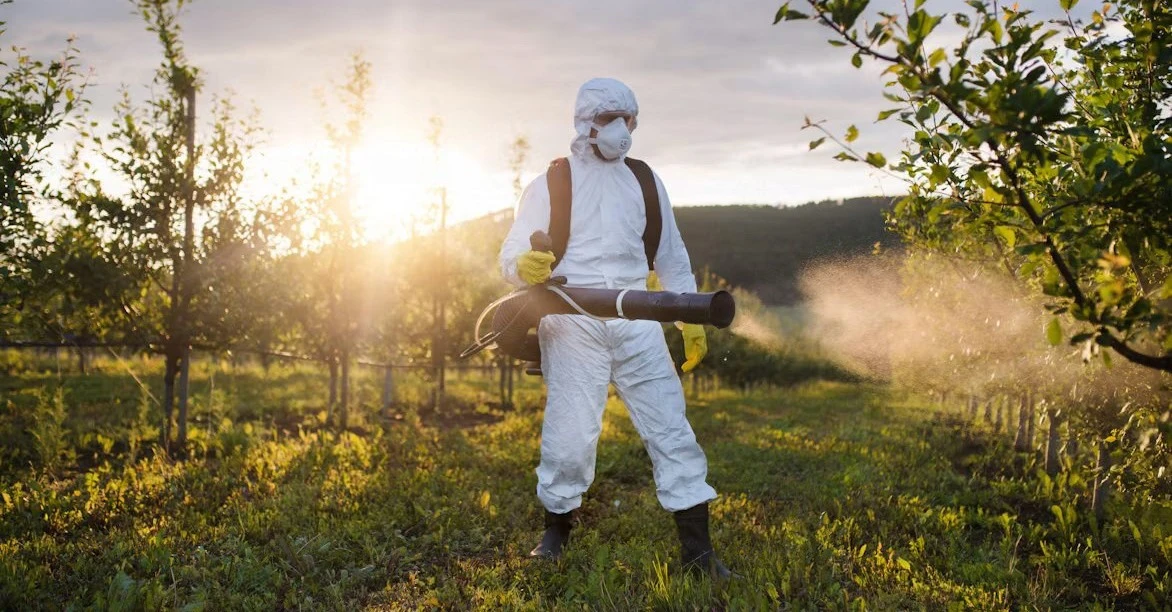
1. Why Is Proper PPE Essential for Pesticide Spraying?
Pesticide exposure can occur through several routes:
- Dermal exposure: Liquid sprays, contaminated surfaces, and residues can come into contact with workers' skin.
- Inhalation exposure: Fine droplets, aerosols, dusts, or chemical vapors may enter the respiratory system.
- Eye exposure: Spray drift and accidental splashes can expose the eyes to hazardous substances.
- Secondary exposure: Contaminated gloves, clothing, equipment, and footwear can transfer pesticide residues to other surfaces or people.
The level of risk depends on the pesticide's toxicity, formulation, concentration, application method, and duration of exposure.
For example, a worker operating a tractor-mounted sprayer in an enclosed cab may face different exposure conditions from someone using a backpack sprayer in an open field. Mixing and loading concentrated pesticides can also create higher splash and contact risks than some routine application activities.
The first step is always to read the pesticide product label and assess the actual exposure risks. PPE should be selected according to the label, applicable regulations, and a workplace risk assessment - not from a generic checklist alone.
2. The Complete Pesticide Spraying PPE Checklist: Head to Toe
The following checklist covers the main PPE categories that agricultural employers and procurement teams should evaluate.
2.1 Head Protection: Chemical-Resistant Hats and Hoods
During pesticide application, the head and neck may be exposed to spray drift, overhead droplets, and accidental splashes.
Recommended options may include:
- Chemical-resistant wide-brimmed hats
- Chemical-resistant hoods
- Protective head coverings specified by the pesticide label
For workers spraying crops above shoulder height or operating equipment that produces overhead spray, suitable head and neck protection is particularly important.
Disposable bouffant caps and ordinary fabric hats should not automatically be considered chemical-resistant head protection. The material must be suitable for the exposure and meet the applicable label requirements.
Procurement consideration: Check whether the selected head covering is compatible with the worker's coverall, goggles, and respirator. Gaps between protective equipment can create potential exposure points.
2.2 Eye and Face Protection: Goggles and Face Shields
The eyes are vulnerable to direct spray, chemical splashes, and airborne droplets.
Depending on the pesticide label and exposure assessment, suitable protection may include:
- Chemical splash goggles
- Protective face shields
- Safety glasses with appropriate side, brow, and front protection
- Full-face respirators where the approved configuration meets the applicable eye-protection requirement
Not all eyewear provides the same level of protection. Ordinary safety glasses may offer impact protection but are not necessarily suitable for liquid chemical splashes.
For mixing and loading concentrated pesticides, splash-resistant goggles or other specifically required eye protection may be necessary.
Procurement consideration: Look for secure fit, adequate coverage, compatibility with respiratory protection, and materials suitable for the intended chemical exposure.
Explore Lioncare Face Shield
2.3 Respiratory Protection: Choose the Correct Respirator
Respiratory protection is one of the most important considerations when evaluating PPE for pesticide application.
Depending on the formulation and application conditions, workers may encounter:
- Fine liquid aerosols
- Spray droplets and mists
- Dust particles
- Organic vapors or other chemical gases
Different hazards require different respiratory protection.
Potential options include:
- Particulate-filtering respirators for specified particulate hazards
- Respirators with appropriate chemical cartridges for identified gases or vapors
- Combination filter and cartridge systems where both particulate and vapor hazards are present
- Other approved respiratory protection systems when required by the risk assessment
A disposable particulate respirator such as an N95 or FFP2 is not a universal solution for pesticide spraying. It does not automatically provide protection against chemical vapors.
Respirator selection must follow the pesticide label, exposure assessment, and relevant local requirements. In the United States, OSHA's respiratory protection standard also addresses medical evaluation, fit testing, training, and respiratory protection programs.
Procurement consideration: Confirm the required filter or cartridge type, certification, respirator compatibility, fit, and replacement requirements before purchasing.
2.4 Body Protection: Chemical-Resistant Coveralls and Protective Suits
Body protection is a central part of pesticide spraying PPE because the skin can be exposed over large areas during application.
Depending on the exposure conditions and product label, suitable clothing may include:
- Long-sleeved work clothing and long pants
- Protective coveralls
- Chemical-resistant suits
- Additional protective aprons or sleeves where required
The appropriate garment depends on the chemical and the level of exposure. A lightweight garment designed for general particulate or limited liquid splash protection should not automatically be treated as suitable for concentrated pesticide handling.
When selecting disposable protective coveralls, procurement teams should evaluate:
- Material performance: Whether the fabric and garment construction are suitable for the identified chemical exposure.
- Seam construction: Whether seams provide the protection required for the intended application.
- Closure design: Whether zippers, storm flaps, and other closures reduce potential exposure points.
- Cuff and ankle design: Whether elasticated or other closures provide a suitable interface with gloves and footwear.
- Fit and mobility: Whether workers can bend, walk, operate spraying equipment, and perform tasks without compromising garment integrity.
- Comfort: Whether breathability and garment weight are appropriate for the working environment.
For disposable PPE, SMS, microporous film laminate, and other nonwoven materials may be considered for different applications. However, fabric type alone does not establish pesticide chemical resistance. Actual suitability must be supported by relevant testing and application-specific evidence.
For buyers sourcing agricultural protective clothing, it is also worth considering consistent sizing, reliable supply, packaging specifications, and OEM or private-label options.
2.5 Hand Protection: Chemical-Resistant Gloves
Hands are frequently exposed during pesticide mixing, loading, equipment cleaning, and spraying.
Chemical-resistant gloves should be selected according to the pesticide label and the chemical-resistance information for the specific formulation.
Common glove materials include:
- Nitrile rubber
- Butyl rubber
- Barrier laminate
- Other materials specifically approved for the intended pesticide
No single glove material is suitable for every pesticide. Resistance depends on the chemical formulation, exposure conditions, glove thickness, and breakthrough or permeation performance.
Important selection points include:
- Correct chemical compatibility
- Adequate glove length to cover the wrist and forearm interface
- Appropriate thickness and durability
- Suitable fit and grip
- Compatibility with the protective garment
Cotton, leather, and other absorbent gloves should not be used for pesticide handling unless specifically permitted by the product label.
Practical tip: Sleeve and glove positioning should reflect the worker's activity. For tasks where the arms are mostly lowered, sleeves are generally positioned over gloves to reduce liquid running into the gloves. For overhead spraying, the arrangement may need to be reversed according to the task and label instructions.
2.6 Foot Protection: Chemical-Resistant Boots and Shoe Covers
Workers may encounter pesticide residues on treated plants, wet soil, contaminated surfaces, and equipment.
Depending on the label, footwear protection may include:
- Chemical-resistant boots
- Chemical-resistant shoes
- Approved chemical-resistant shoe coverings worn over suitable footwear
Ordinary leather or fabric shoes may absorb pesticide residues and are not automatically suitable for chemical exposure.
When selecting footwear, consider chemical compatibility, resistance to liquid penetration, sole grip, fit, and ease of cleaning.
Disposable shoe covers can help protect footwear from contamination in certain controlled environments. However, ordinary nonwoven shoe covers should never be treated as substitutes for chemical-resistant boots when the pesticide label requires chemical-resistant footwear.
Procurement consideration: Make sure footwear is compatible with the coverall leg opening and does not create gaps where spray or contaminated liquid can enter.
3. PPE Requirements Change with the Pesticide Application Task
A common procurement mistake is assuming that every pesticide-related task requires the same PPE combination.
In practice, different activities create different exposure conditions.
| Application task | Main exposure concerns | PPE selection considerations |
|---|---|---|
| Mixing and loading | Concentrated product, splashes, spills | Label-specified protective clothing, chemical-resistant gloves, apron, eye protection and respirator where required |
| Backpack spraying | Direct spray, droplets, contaminated equipment | Appropriate body protection, gloves, footwear, head protection and respiratory protection where required |
| Tractor-mounted spraying | Spray drift, aerosols, equipment contact | Assess cab enclosure, ventilation, potential leakage and maintenance exposure |
| Orchard or overhead spraying | Falling droplets and spray drift | Evaluate head, face, neck, body and respiratory protection |
| Equipment cleaning | Residual pesticide and contaminated surfaces | Label-specified PPE for cleaning and maintenance activities |
This table is a planning guide, not a substitute for product-specific PPE instructions.
Mixing and loading often require particular attention because workers may handle concentrated products. Cleaning spraying equipment can also create significant exposure opportunities.
4. How to Put On, Remove, and Maintain Pesticide PPE
Selecting appropriate PPE is only part of an effective protection program. Incorrect use, poor maintenance, or contaminated equipment can undermine its protective function.
Before work:
- Read the pesticide label and confirm the required PPE.
- Inspect coveralls, gloves, goggles, footwear, and respirators for damage.
- Check that all components fit and work together.
- Confirm that respirators and filters are approved for the identified hazards.
- Put on PPE in a clean area away from pesticide handling activities.
During work:
- Avoid touching exposed skin or personal items with contaminated gloves.
- Replace damaged or contaminated disposable PPE as required.
- Follow the specified replacement schedule for gloves and respirator filters.
- Monitor workers for heat stress, particularly during hot-weather spraying.
After work:
- Follow the pesticide label's instructions for removing and disposing of contaminated PPE.
- Wash reusable protective equipment according to the manufacturer's instructions.
- Remove contaminated clothing carefully to avoid transferring residues to the skin.
- Wash hands and exposed skin thoroughly.
- Store clean PPE separately from pesticides and contaminated equipment.
Disposable protective clothing should not be reused unless the manufacturer explicitly permits it and the pesticide label and applicable requirements allow it.
5. Common Mistakes When Choosing PPE for Pesticide Spraying
Even when workers wear several types of protective equipment, important gaps can remain.
Here are five mistakes procurement teams and employers should avoid:
1. Choosing PPE based on price alone.
Low-cost garments may not provide the chemical resistance required for a specific pesticide formulation.
2. Assuming all disposable coveralls are chemical-resistant.
Different nonwoven fabrics and garment constructions provide different levels of protection. General-purpose protective clothing should not be marketed as suitable for pesticide application without supporting evidence.
3. Using the wrong respirator or filter.
Particulate filters do not automatically protect against gases and vapors. Respiratory protection must match the identified hazard.
4. Ignoring connections between PPE components.
Poorly matched gloves, sleeves, hoods, goggles, and footwear can leave exposed areas or create uncomfortable combinations that workers are less likely to wear correctly.
5. Neglecting replacement and disposal procedures.
Damaged, contaminated, or improperly maintained equipment may no longer provide the intended protection.
6. What Should Buyers Look for When Sourcing Agricultural PPE?
For agricultural distributors, wholesalers, and PPE importers, product selection should go beyond appearance and unit price.
Before placing an order, consider these questions:
- Is the product suitable for the intended pesticide exposure, with relevant test evidence?
- Does it meet the applicable standards and regulatory requirements in the target market?
- Are material performance and garment construction documented?
- Are multiple sizes available to accommodate different workers?
- Can the supplier provide consistent quality and stable production capacity?
- Are OEM packaging, private labeling, and customized product options available?
A reliable PPE supplier should be able to explain product specifications, provide relevant technical documentation, and clearly identify the limitations of each product.
7. Build a More Complete Pesticide Spraying PPE Program with Lioncare
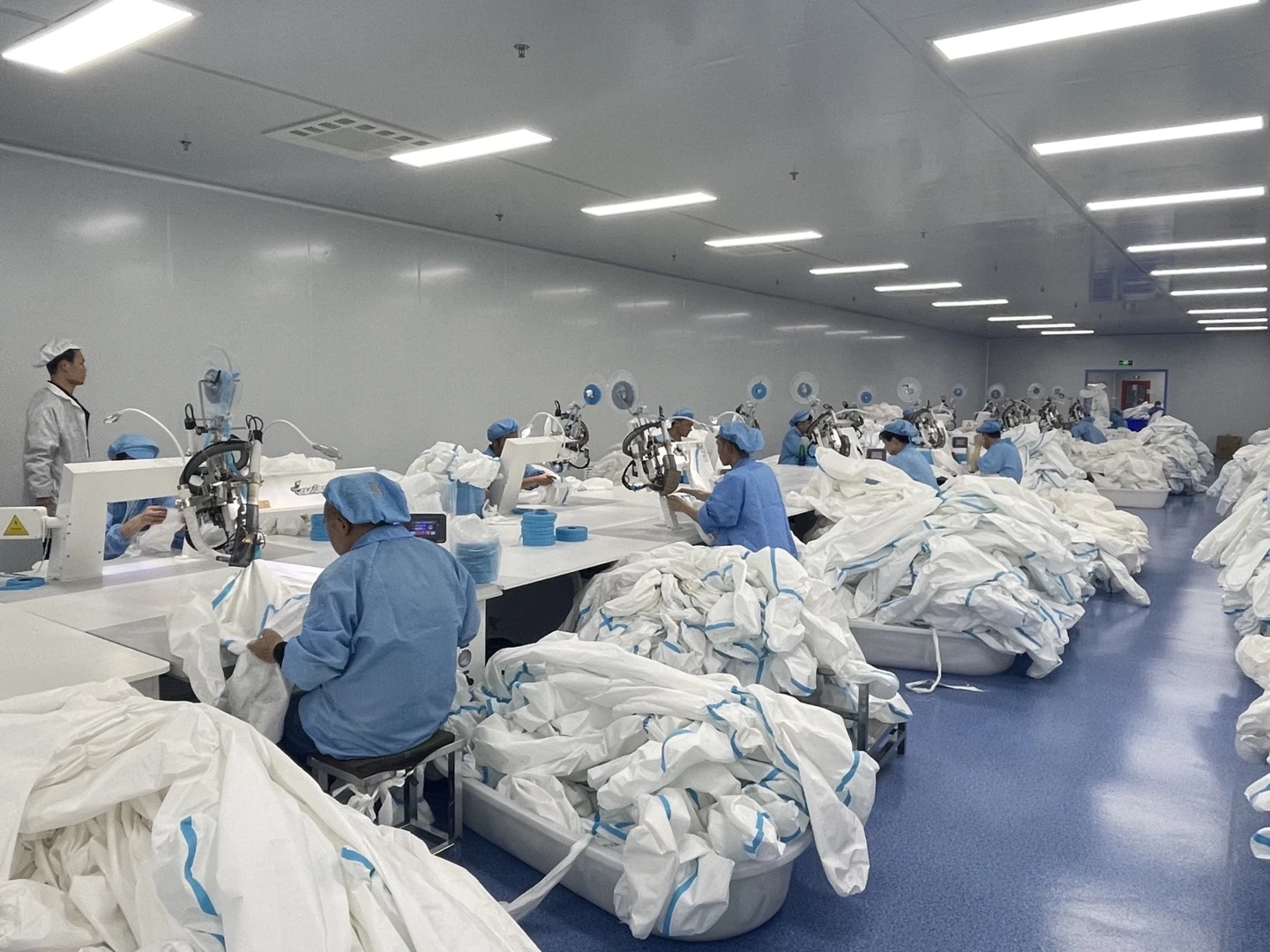
Protecting agricultural workers requires more than one protective garment. It requires a coordinated PPE selection process that considers exposure risks, product compatibility, applicable standards, and correct equipment use.
At Lioncare, we focus on disposable protective clothing and nonwoven PPE solutions for international distributors, wholesalers, and professional buyers.
Our product portfolio includes disposable coveralls, protective gowns, lab coats, masks, caps, shoe covers, and other protective accessories.
For buyers developing agricultural PPE product ranges, we can support discussions around product specifications, material options, sizing, packaging, and OEM or private-label requirements.
The right PPE combination always depends on the application and the relevant chemical exposure requirements. Our team can help you explore suitable disposable protective clothing solutions for your target market.
Looking for a reliable disposable PPE manufacturing partner?
FAQ
Q: What PPE should workers wear when spraying pesticides?
A: The required PPE depends on the pesticide label, formulation, application method, and exposure assessment. It may include protective coveralls, chemical-resistant gloves, boots, protective eyewear, head protection, and a suitable respirator.
Q: Are disposable coveralls suitable for pesticide spraying?
A: Some disposable coveralls may be suitable for specific pesticide application conditions, but not all protective coveralls provide chemical resistance. Buyers should verify relevant chemical permeation and penetration performance and check the pesticide label before selecting a garment.
Q: Is an N95 mask enough for pesticide spraying?
A: Not necessarily. N95 respirators filter certain airborne particles but do not protect against chemical gases or vapors. The correct respiratory protection depends on the pesticide formulation, exposure assessment, and product label.
Q: What is the difference between Type 5/6 coveralls and pesticide protective clothing?
A: Type 5 covers protection against certain hazardous dry particles, while Type 6 covers limited protection against light liquid spray and splashes under specified test conditions. These classifications do not automatically establish suitability for pesticide application. Pesticide-specific protection requires appropriate chemical resistance evidence and compliance with applicable requirements.
Q: What is EN ISO 27065?
A: EN ISO 27065 is a standard for protective clothing worn by pesticide application operators and re-entry workers. It establishes performance and classification requirements for relevant garments. It does not cover respiratory, hand, or foot protection.
Q: How often should disposable pesticide protective clothing be replaced?
A: Replacement depends on the product instructions, pesticide label, exposure conditions, and garment condition. Disposable garments should be replaced when damaged or contaminated in a way that compromises protection and should not be reused unless explicitly permitted.