

Top 3 Disposable Coveralls For Pesticide & Agrochemical Applications in The U.S.
Mar 04, 2026
Modern U.S. agriculture depends heavily on crop protection chemicals-from herbicides and insecticides to fungicides and liquid fertilizers. With that reliance comes responsibility. Farm operators, chemical applicators, and agricultural distributors must ensure workers are protected against dermal exposure during mixing, loading, spraying, and equipment cleaning.
In this guide, we break down the top 3 disposable coveralls commonly used for pesticide and agrochemical applications in the U.S. market, explain what makes them effective, and outline how to choose the right chemical-resistant disposable coverall for agricultural operations. We'll also explore how Lioncare's nonwoven protective clothing is engineered to meet the evolving safety and compliance needs of American farms.
Why Disposable Coveralls Are Essential in U.S. Pesticide Applications
Agricultural chemical exposure most often occurs through skin contact. During pesticide mixing and loading-especially with concentrated formulations-splash risk increases significantly. Even during field spraying, drift, residue contact, and re-entry exposure can present hazards.
Under the Worker Protection Standard (WPS) regulated by the Environmental Protection Agency, agricultural employers are required to provide appropriate protective clothing that prevents pesticide contact with the body. In many cases, this means chemical-resistant or liquid-resistant disposable coveralls.
Compared to reusable garments, disposable nonwoven protective coveralls offer several advantages for U.S. farming operations:
- Reduced cross-contamination between job cycles
- No laundering or decontamination procedures
- Lower long-term handling risk of chemical residue
- Cost-effective bulk purchasing for seasonal labor
For many agricultural distributors and farm supply chains, disposable chemical-resistant coveralls represent the most practical and scalable safety solution.
1. DuPont Tyvek 400 Coveralls
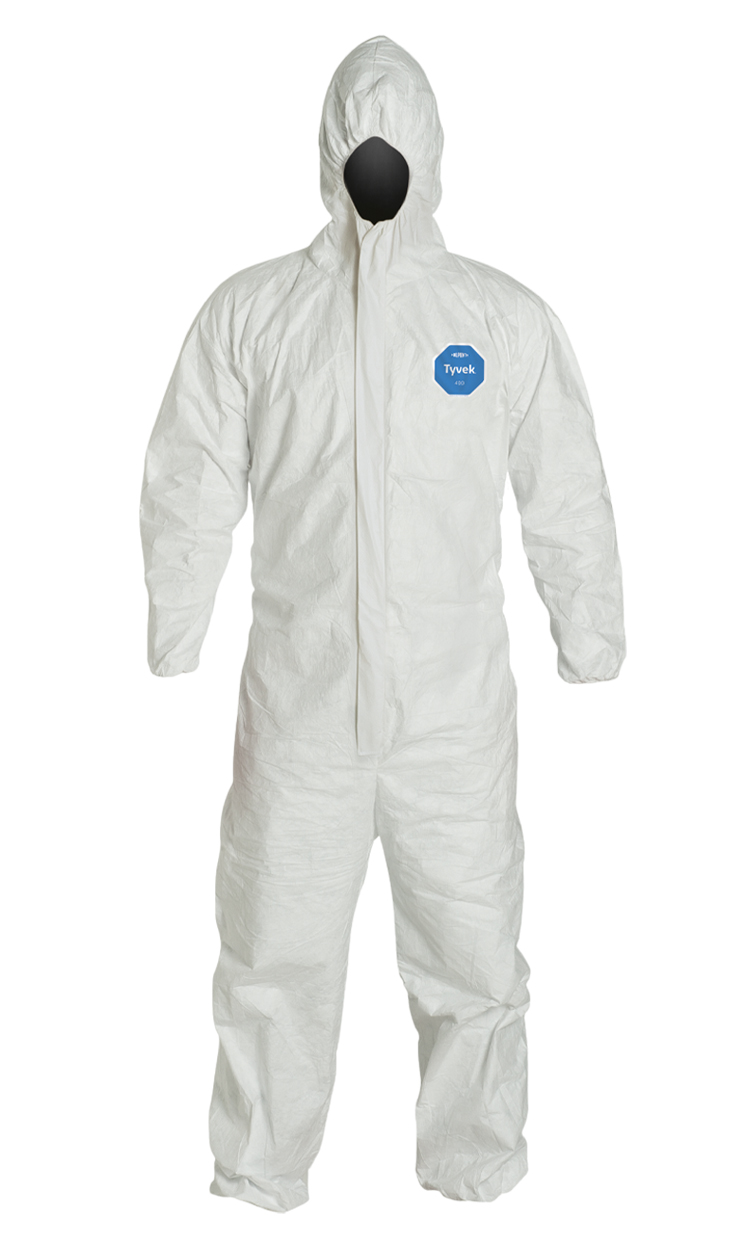
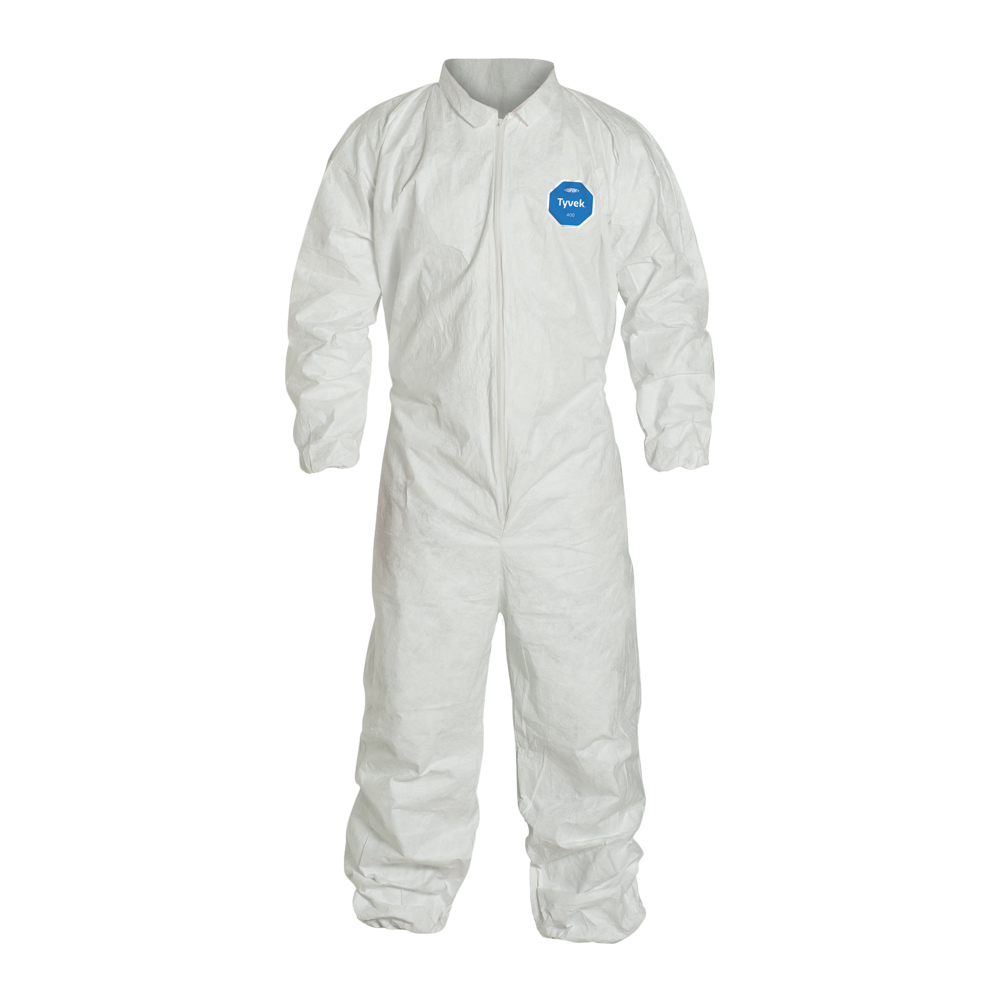

Tyvek 400 is one of the most recognized disposable protective coveralls in the U.S. agricultural PPE market. Made from flash-spun high-density polyethylene, it provides an effective barrier against dry particulates and light liquid splashes.
Typical Agricultural Applications:
- Dry pesticide handling
- Low-concentration spray applications
- General farm maintenance tasks
- Field re-entry after pesticide application
Tyvek 400 is lightweight and breathable, making it suitable for warmer climates where heat stress is a concern. However, it is generally recommended for low-to-moderate exposure scenarios rather than direct handling of highly concentrated agrochemical mixtures.
For distributors targeting entry-level or light-duty pesticide protection, Tyvek 400 remains a widely accepted baseline solution in the U.S. market.
2. DuPont Tychem 2000 Coveralls


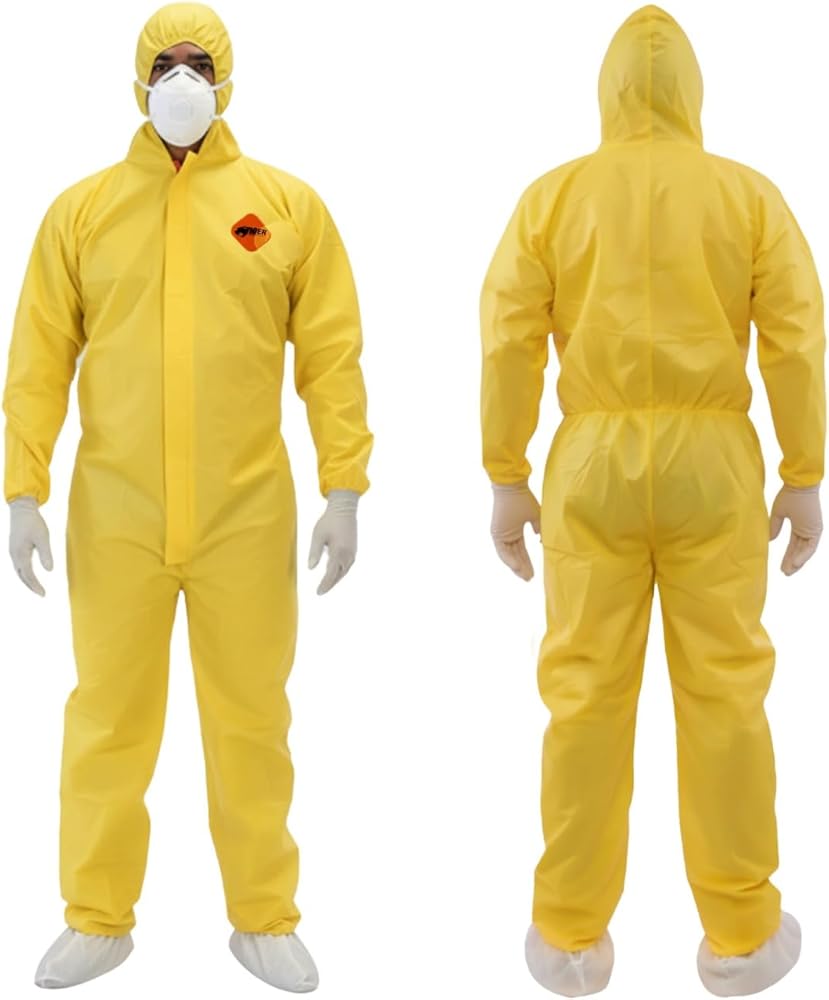
For operations involving higher splash risk or concentrated chemical mixing, Tychem 2000 is often selected. This model features a polyethylene barrier film laminated to a nonwoven substrate, enhancing liquid chemical resistance beyond standard breathable coveralls.
Typical Agricultural Applications:
- Mixing and loading pesticide concentrates
- Handling oil-based formulations
- Equipment cleaning with chemical residues
- Higher-risk agrochemical exposure tasks
Tychem 2000 offers improved liquid barrier performance while maintaining reasonable flexibility for movement. In U.S. agricultural chemical safety programs, it is frequently used when labels specify chemical-resistant protective clothing.
For farm operators prioritizing stronger splash protection during pesticide preparation, Tychem 2000 is a common upgrade option.
3. Lakeland ChemMax 1 Coveralls


Lakeland ChemMax 1 is positioned as a mid-tier chemical-resistant disposable coverall suitable for agricultural and light industrial chemical handling. Its barrier technology is designed to resist a range of liquid chemicals while remaining economically viable for volume purchasing.
Typical Agricultural Applications:
- Broad pesticide spraying
- Fertilizer and herbicide application
- Agricultural chemical tank maintenance
- General liquid splash protection
ChemMax 1 is frequently chosen by distributors supplying both agricultural and light industrial customers, offering versatility across sectors.
Key Fabric Technologies Behind Agricultural Disposable Coveralls
Understanding the materials used in pesticide protective clothing is critical for selecting the right product.
SMS (Spunbond-Meltblown-Spunbond)
- Breathable
- Effective for dry particulates
- Limited liquid splash resistance
- Economical for large farm operations
👉 Request a Bulk Quote for Lioncare SMS Coverall
Microporous Film Laminated Nonwoven
- Strong liquid barrier
- Suitable for pesticide mixing and spraying
- Balanced breathability and protection
- Commonly used in chemical-resistant disposable coveralls
👉 Request a Bulk Quote for Lioncare Microporous Coverall
Polyethylene-Coated Nonwoven
- Higher liquid resistance
- Reduced breathability
- Best for short-duration, high-exposure tasks
In hot agricultural regions such as California, Texas, and Florida, microporous laminated coveralls are often preferred due to their balance between chemical resistance and wearer comfort.
👉 Request a Bulk Quote for Lioncare PP Coverall
How to Choose the Right Disposable Coverall for Pesticide & Agrochemical Use
Selecting the correct disposable chemical protective suit requires evaluating several operational factors:
1. Type of Chemical Formulation
Oil-based pesticides typically demand stronger liquid resistance than water-based solutions.
2. Exposure Intensity
Mixing concentrated chemicals presents higher risk than diluted field spraying.
3. Duration of Wear
Long spray cycles require breathable fabrics to reduce heat stress.
4. Regulatory Requirements
Always align PPE selection with pesticide label instructions and EPA Worker Protection Standard requirements.
5. Climate Conditions
In high-temperature environments, breathable chemical-resistant coveralls improve worker compliance and comfort.
Lioncare Disposable Protective Clothing for Agricultural Chemical Safety
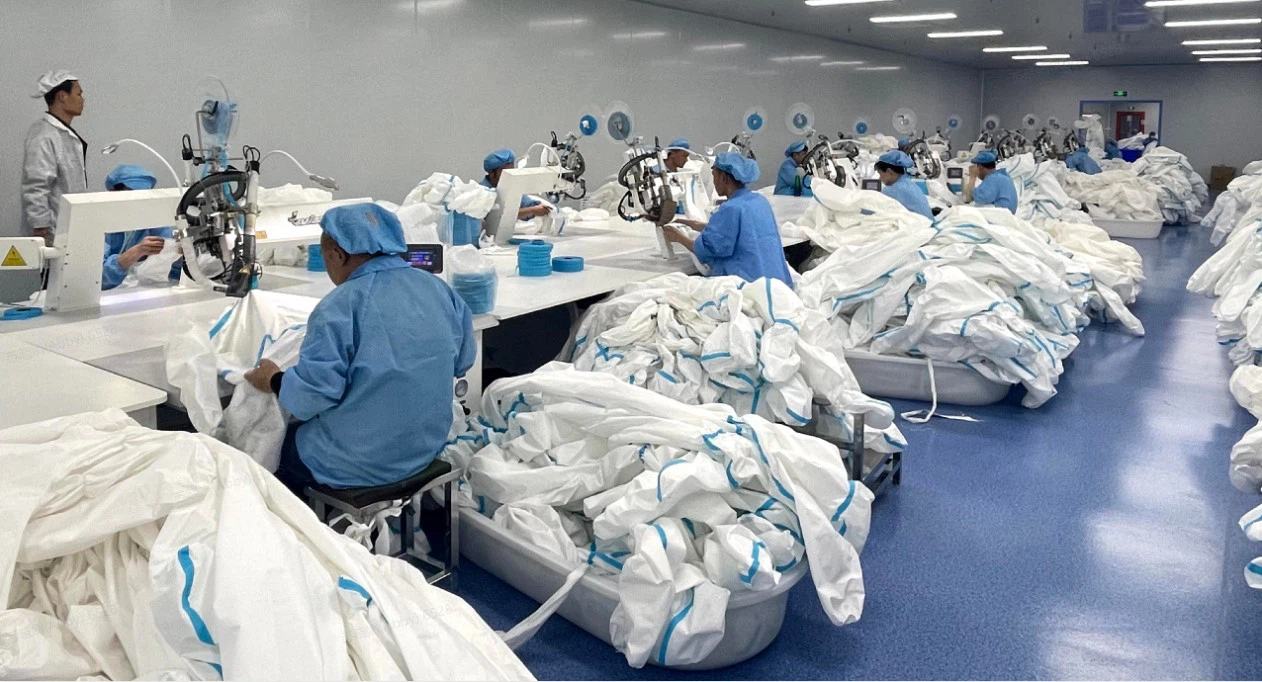
As a professional PPE manufacturer, Lioncare develops disposable nonwoven protective clothing specifically engineered for pesticide and agrochemical applications.
Engineered for Liquid Splash Resistance
Our microporous film laminated disposable coveralls provide reliable barrier protection against light-to-moderate pesticide splashes encountered during mixing and spraying operations.
Designed for Agricultural Comfort
We prioritize moisture vapor transmission and ergonomic pattern design to support extended wear in demanding outdoor environments.
Reinforced Construction
Durable seams and well-constructed closures enhance performance during bending, lifting, and equipment handling in field conditions.
OEM & Private Label Capability
Lioncare supports agricultural distributors and farm supply chains with:
- Custom branding
- Private label chemical-resistant coveralls
- Flexible bulk packaging
- Stable high-volume production capacity
Strict Quality Control
Each batch undergoes internal inspection to ensure consistent fabric performance, seam strength, and sizing accuracy-meeting the expectations of international B2B buyers.
Disposable vs. Reusable Protective Clothing in Agriculture
While reusable chemical suits may provide higher resistance in industrial settings, they introduce laundering complexity and potential contamination risks. In contrast, disposable agricultural coveralls:
- Minimize cross-field contamination
- Simplify compliance documentation
- Reduce handling of contaminated garments
- Offer predictable cost structures for seasonal labor
For many U.S. farms and agrochemical distributors, disposable microporous protective coveralls remain the most practical and scalable safety solution.
Final Thoughts: Choosing the Right Protection for U.S. Agricultural Operations
When evaluating top disposable coveralls for pesticide and agrochemical applications in the U.S., products like DuPont Tyvek 400 Coveralls, DuPont Tychem 2000 Coveralls, and Lakeland ChemMax 1 Coveralls represent established benchmarks in the market.
However, agricultural PPE buyers today are increasingly seeking:
- Reliable chemical splash protection
- Breathable comfort for hot climates
- Competitive bulk pricing
- Transparent quality control
- Flexible OEM manufacturing partnerships
Lioncare positions itself as a dependable manufacturing partner for distributors and private label brands seeking high-quality disposable nonwoven protective clothing tailored for pesticide and agrochemical use.
In modern agriculture, protective clothing is not just compliance-it's operational security. Choosing the right disposable coverall protects workers, strengthens safety programs, and supports sustainable farm operations across the United States.


