The Ultimate Guide To PPE Donning And Doffing
Nov 21, 2025
Personal Protective Equipment (PPE) has become a cornerstone of safety across health care, industrial, and emergency-response settings. While many people know the basic sequence for putting on (donning) PPE, the true effectiveness of PPE depends on following proper procedures - not just for donning, but especially for removal (doffing), when the risk of self-contamination is highest. In this guide, we not only walk through an optimized PPE sequence, but also explore advanced practices, real-world lessons, and emerging innovations to ensure maximum protection.
Why the PPE Sequence Matters
- Protection vs. risk of contamination: Wearing PPE improperly can leave gaps in protection; removing it incorrectly can contaminate your skin or clothing. Multiple studies and health guidelines (e.g., CDC) emphasize that doffing is one of the highest-risk moments for self-contamination.
- Training & proficiency: Effective donning/doffing requires training. According to CDC guidance, a "trained observer" who watches and guides the process significantly lowers risk.
- Environmental control: The layout of donning and doffing areas matters. For example, in high-risk contexts (e.g., treating viral hemorrhagic fevers), a one-way flow from clean donning zone → patient area → contaminated doffing zone is recommended.
- Psychological & physical strain: PPE use, especially in prolonged high-risk settings (like Ebola wards or COVID ICU), can be physically and mentally taxing. Proper procedures reduce fatigue, confusion, and errors.
Optimized Sequence for Donning PPE
Based on best practices derived from multiple authoritative sources (CDC, NIOSH, infection control protocols), here is a robust and slightly enhanced donning sequence - combining safety, efficiency, and usability.

1. Hand Hygiene
Start with cleaned hands (soap and water or alcohol-based hand sanitizer). This removes any pathogens that might transfer to your PPE.
2. Put on Shoe Covers (if required)
In many settings - especially isolation, lab, or VHF wards - shoe covers are essential. Ensure coverage and correct fit before any other gear.


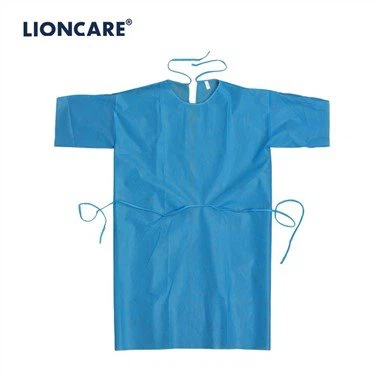
3. Don the Gown or Coverall
- Choose a gown or coverall that fully covers your torso (neck to knees), arms to wrists, and wraps around the back.
- Fasten the gown ties securely: first at the neck, then at the waist. A good fit reduces the chance of exposure.
4. Put on Mask or Respirator
- Secure straps or elastic bands around the head or back.
- Mold the nose bridge, if applicable, for a tight seal.
- If using a respirator (e.g., N95), perform a seal check to ensure proper fit.

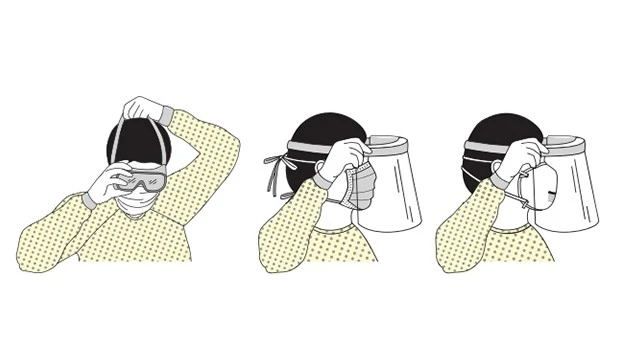
5. Eye Protection (Goggles or Face Shield)
Position goggles or the face shield over your face, adjust for comfort. Ensure it doesn't interfere with your mask's seal.
6. Gloves
Put on gloves last so they go over the gown sleeves. This protects your wrists and ensures no skin is exposed.

Advanced Tip:
- Use a trained observer: Especially in high-risk settings (e.g., VHF or COVID), an observer can guide you through donning, catching mistakes before you enter the contaminated area.
- Pre-check PPE: Before donning, inspect each piece for damage or defects.
- Minimize adjustments: Once PPE is on, avoid touching mask, goggles, or other parts - constant adjustment increases contamination risk.
3. Safe and Structured Doffing: Minimize Self-Contamination Risk
Removing PPE is often the most dangerous moment. Here's a refined doffing sequence combined with enhanced safety practices:

1. Glove Removal
Gloves are generally the most contaminated. Remove them first by peeling one glove off inside-out while holding it with the other gloved hand, then remove the second glove by slipping fingers under the wrist of the glove. Avoid touching the outside surfaces.
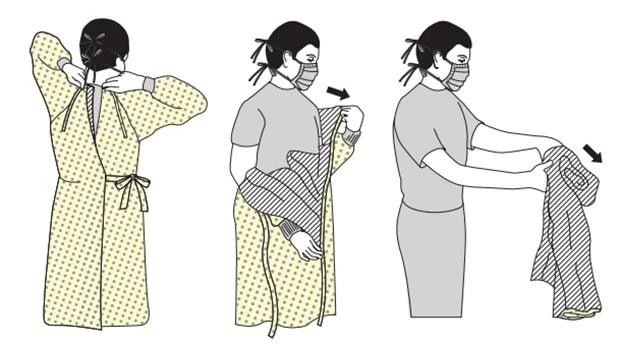
2. Gown Removal
- Untie or break the gown ties (neck first, then waist), being careful the sleeves don't touch your body. Pull the gown away from your body, inside-out, and roll or fold it so the contaminated surfaces are contained inward.
- In some protocols, gown and gloves are removed together to minimize touches.

3. Eye Protection (Goggles or Face Shield)
Remove by grasping the headband or ear pieces from the back. Never touch the front surfaces.
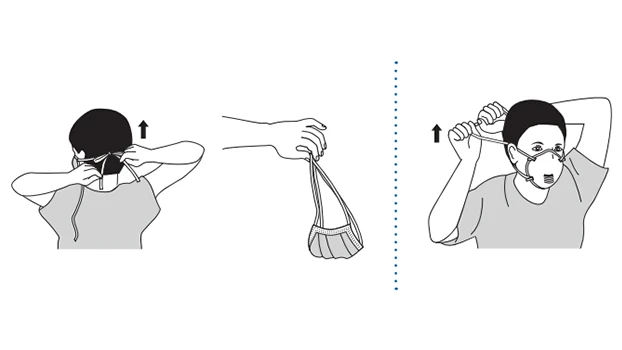
4. Mask or Respirator
Remove by holding the ties or elastics (bottom first, then top), avoiding touching the front. If using a respirator, do not touch the mask body.
5. Hand Hygiene
Immediately after removing all PPE, perform hand hygiene. If any step leaves your hands possibly contaminated, clean them before proceeding.
6. Boot / Shoe Covers and Additional Items
Depending on your setting, you may remove shoe covers before or after gown removal, then disinfect shoes or step on chemical mats. 中心
7. Dispose or Reprocess
- Discard disposable PPE in the proper waste containers.
- Reusable PPE (e.g., goggles) should be cleaned and disinfected according to facility policy.
Advanced Tip:
- Use a doffing assistant or buddy: In very high-risk settings (e.g., Ebola), a "doffing assistant" in the doffing zone can guide and help.
- Slow and deliberate removal: Don't rush. Risk of self-contamination is highest when hurried.
- Disinfection between steps: For some protocols, disinfecting gloved hands between steps (e.g., before removing mask) further reduces risk.
Training, Setup, and Organizational Best Practices
To maximize PPE safety, it's not enough to have good procedures - the system around donning/doffing must be well designed.
1. Designate clear zones:
Donning area - a clean zone where PPE is stored and put on.
Doffing area - a contaminated zone with space, mirrors, disposal bins, and trained observers.
2. Regular training & drills:
All workers should be periodically trained and evaluated on PPE donning/doffing sequences. PMC
Use a "trained observer" to monitor, correct, and coach.
3. Competency assessments:
Facilities should require staff to demonstrate PPE competence in realistic simulation before entering high-risk zones.
4. Buddy system:
In high-risk environments, assign a "donning/doffing buddy" who can help check steps, provide verbal guidance, or assist physically (while also wearing PPE).
5. Facilities & layout:
Ensure the doffing area has appropriate waste bins, hand hygiene stations, and no slip hazards. Some guidelines emphasize avoiding wet floors during doffing to prevent slips.
6. Periodic review of PPE policy:
As PPE types evolve (new respirators, gowns), review and update your donning/doffing protocols.
Consider user feedback, incident reports, and near-misses to improve your workflow.
Common Pitfalls & How to Avoid Them
Understanding where people usually go wrong can greatly improve safety.
| Problem | Why It's Risky | Mitigation Strategy |
|---|---|---|
| Rushing through doffing | Increases self-contamination risk | Build in time for each step; train for deliberate removal |
| Poor fit of respirator | Breaks seal → exposure | Perform fit checks; train staff on proper donning and fit testing |
| Adjusting PPE after donning | Touching contaminated surfaces | Use a mirror or buddy, minimize touching, plan for correct fit before entry |
| Skipping hand hygiene between steps | Hands may transfer contaminants | Emphasize hand sanitizer or ABHR between doffing steps |
| No observer or coach | Mistakes uncorrected | Use trained observer system, especially in high-risk areas |
| Improper disposal | Cross-contamination, environmental risk | Provide clearly labeled receptacles, separate reprocess vs discard PPE |
Innovations & Emerging Trends in PPE Safety
To stay ahead, many organizations are now exploring next-gen PPE safety options:
1. Automated donning/doffing detection with AI
New research leverages computer vision (e.g., tiny YOLO models) to monitor real-time PPE compliance - alerting users if they skip or mis-sequence steps. arXiv
2. Smart mirrors or visual aids
Mirrors in doffing zones, paired with checklists, help users self-verify steps.
3. Simulation-based training & VR
Virtual reality (VR) or simulation labs are increasingly used for realistic donning/doffing practice, improving muscle memory and competence.
4. Enhanced PPE design
New materials: better breathable gowns, integrated ties, anti-fog goggles, and more intuitive designs help reduce donning/doffing errors.
5. Behavioral interventions
Use of "just-in-time" prompts, checklists, and peer coaching to reinforce correct PPE behaviors under stress.
Key Takeaways: Building a Culture of PPE Safety
Donning and doffing aren't just tasks - they're critical safety behaviors.
Proper training, environmental setup, and continuous reinforcement (e.g., observers, buddy systems) dramatically reduce contamination risk.
Even small optimizations (hand hygiene between steps, mirror use) can significantly increase protection.
Innovation-from real-time AI feedback to VR training-can help close the gap between "knowing" and "doing."
Ultimately, a strong PPE culture protects not just the individual, but the entire organization.
Conclusion
Mastering the correct sequence for donning and doffing PPE is far more than a procedural requirement - it is a frontline defense against preventable exposure, workplace infections, and cross-contamination incidents. Whether you work in a hospital, laboratory, manufacturing plant, or emergency-response environment, the way you put on and remove your protective gear directly determines the effectiveness of every barrier you wear.
By combining evidence-based guidelines, structured training, improved workplace design, and emerging technologies, organizations can transform PPE from a passive requirement into an active culture of safety. When staff understand not just the "how," but the "why", compliance becomes instinctive, errors decline, and safety rises.
In a world where biological hazards, chemical exposures, pandemics, and high-risk operations continue to evolve, PPE knowledge must keep evolving as well. Investing in stronger protocols today protects teams, patients, operations, and entire communities tomorrow. PPE is more than equipment - it is a commitment to safety, responsibility, and professionalism.