PPE Market in The Middle East: Growth Trends, Opportunities, And Strategic Insights For Global Buyers
Mar 25, 2026
The PPE market in the Middle East is rapidly transforming from a reactive supply-driven sector into a strategically important industry shaped by industrial growth, healthcare investments, and regulatory enforcement. As countries across the Gulf Cooperation Council (GCC) and broader Middle East region accelerate infrastructure development and public health initiatives, the demand for industrial protective equipment in the Middle East continues to rise steadily.
From oil & gas operations in Saudi Arabia to healthcare expansion in the UAE and mega construction projects in Qatar, the region presents a compelling opportunity for global buyers and PPE suppliers seeking long-term partnerships.
For international sourcing managers, distributors, and wholesalers, understanding the Middle East PPE market trends, demand drivers, and supplier landscape is no longer optional-it's essential.
1. Overview of the Middle East PPE Market Size and Growth
The Middle East personal protective equipment market size has experienced significant growth over the past five years, driven by both pandemic-related demand and long-term industrial expansion.
Key Market Insights
- The market is projected to grow at a CAGR of 6–8% over the next decade
- Increasing demand for disposable protective clothing in the Middle East
- Strong government investments in occupational safety compliance
- Rising awareness of workplace hazards across industries
Countries such as Saudi Arabia, the UAE, and Qatar dominate the PPE demand in the Middle East construction and oil sectors, while emerging markets like Oman and Egypt are showing accelerated growth.
2. Major Demand Drivers of PPE in the Middle East
2.1 Oil & Gas Industry Expansion
The PPE for oil and gas industry in the Middle East remains one of the largest demand segments. Workers operating in hazardous environments require:
- Flame-resistant coveralls
- Chemical-resistant disposable suits
- Respirators and protective masks
As oil production and refinery activities increase, so does the need for high-performance protective clothing in harsh environments.
2.2 Mega Construction Projects Across GCC
The region's ambitious infrastructure projects, such as smart cities and stadium developments, are fueling demand for construction safety PPE in the Middle East.
Key products include:
- Disposable coveralls
- Safety helmets and gloves
- Dust masks and respirators
This drives continuous procurement of bulk PPE supplies for large construction companies in the Middle East.
2.3 Healthcare Sector Expansion Post-COVID
The pandemic reshaped the medical PPE market in the Middle East, creating sustained demand for:
- Isolation gowns
- Surgical gowns
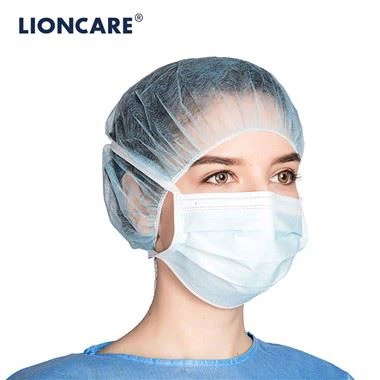
- Disposable masks and caps
Hospitals and clinics now prioritize high-quality infection control PPE suppliers in the Middle East, focusing on reliability and compliance.
2.4 Government Regulations and Safety Standards
Governments across the region are tightening regulations related to occupational safety PPE compliance in the Middle East.
Examples include:
- Saudi Arabia's Vision 2030 workplace safety initiatives
- UAE's strict labor protection laws
This has increased demand for certified PPE products meeting international safety standards (ISO, CE).
3. Key PPE Product Categories in High Demand
Understanding product segmentation is crucial for entering the Middle East PPE distribution market.
3.1 Disposable Protective Clothing
The demand for disposable coveralls in the Middle East industrial sector continues to rise due to hygiene and safety concerns.
Applications:
- Chemical handling
- Food processing
- Cleanroom environments
3.2 Respiratory Protection
The respirator and mask market in the Middle East remains strong due to environmental and industrial factors.
Popular products:
- N95/FFP2 masks
- Half-face respirators
3.3 Medical PPE
Hospitals require consistent supply of medical-grade PPE in the Middle East healthcare sector.
Includes:
- Surgical gowns
- Isolation gowns
- Disposable caps and shoe covers
3.4 Chemical Protective Equipment
The growth of manufacturing industries increases demand for chemical-resistant PPE suits in the Middle East.
4. Challenges in the Middle East PPE Market
While opportunities are abundant, suppliers must navigate several challenges in the Middle East PPE supply chain.
4.1 Price Sensitivity vs Quality Expectations
Buyers often seek a balance between cost-effective PPE suppliers in the Middle East and high-quality certified products.
4.2 Supply Chain Stability
Post-pandemic disruptions highlighted the importance of reliable PPE manufacturers for Middle East importers.
4.3 Certification and Compliance
Products must meet:
- CE certification
- ISO standards
- Local regulatory approvals
Failure to comply can limit entry into the regulated PPE markets in GCC countries.
5. Opportunities for Global PPE Suppliers
The Middle East offers strong opportunities for manufacturers and exporters targeting PPE wholesale distribution in the Middle East.
5.1 Long-Term Government Projects
Mega-projects ensure consistent demand for bulk PPE procurement in the Middle East construction sector.
5.2 Growing Preference for Reliable Overseas Suppliers
Importers increasingly prefer trusted PPE manufacturers from China for Middle East markets, focusing on:
- Stable production capacity
- Quality assurance
- Competitive pricing
5.3 Rising Demand for Eco-Friendly PPE
Sustainability trends are driving interest in eco-friendly disposable protective clothing in the Middle East.
6. Why Choose Lioncare as Your PPE Supplier for the Middle East
When sourcing from international markets, selecting a reliable partner is critical. Lioncare stands out as a trusted PPE manufacturer for Middle East buyers.
6.1 Strong Manufacturing Capability
Lioncare specializes in:
- Disposable coveralls
- Isolation gowns
- Surgical protective clothing
With advanced production lines, the company ensures consistent supply of bulk PPE orders for Middle East distributors.
6.2 Strict Quality Control System
Every product undergoes rigorous testing to meet international PPE safety standards for export to the Middle East.
6.3 OEM & Customization Services
Lioncare provides:
- Private labeling
- Custom packaging
- Product customization
This makes it an ideal partner for PPE private label suppliers targeting Middle East markets.
6.4 Experience in Global PPE Export
With extensive export experience, Lioncare understands:
- Middle East compliance requirements
- Logistics and shipping efficiency
- Market-specific product needs
7. Future Trends of PPE Market in the Middle East
The future of the Middle East PPE industry is shaped by several emerging trends:
7.1 Digital Procurement Platforms
Online sourcing platforms are growing, making it easier to connect with global PPE suppliers for Middle East importers.
7.2 Smart PPE Technologies
Integration of sensors and monitoring systems in PPE is gaining attention in advanced industrial PPE markets in the Middle East.
7.3 Localization of Supply Chains
Some countries are investing in local manufacturing, but imports will still dominate the PPE supply chain in the Middle East.
Conclusion: A Strategic Market for Long-Term Growth
The PPE market in the Middle East represents a high-potential region for global manufacturers and suppliers. With strong demand from oil & gas, construction, and healthcare sectors, the need for high-quality, reliable PPE products will continue to grow.
For buyers and distributors, partnering with an experienced manufacturer like Lioncare ensures:
- Stable supply
- Certified quality
- Competitive pricing
As the region continues to evolve, businesses that align with market trends, regulatory standards, and reliable sourcing strategies will gain a significant competitive advantage.
FAQ: PPE Market in the Middle East
Q: What is driving PPE demand in the Middle East?
A: The demand is mainly driven by oil & gas, construction projects, healthcare expansion, and stricter workplace safety regulations.
Q: Which PPE products are most in demand in the Middle East?
A: Disposable coveralls, respirators, surgical gowns, and chemical protective suits are among the most востребованные PPE products.
Q: Is the Middle East dependent on PPE imports?
A: Yes, most countries rely heavily on imports, especially from China, for cost-effective and high-quality PPE supplies.
Q: What certifications are required for PPE in the Middle East?
A: Common certifications include CE, ISO, and compliance with local safety standards.
Q: Why choose Lioncare for PPE supply?
A: Lioncare offers reliable production capacity, strict quality control, and customized OEM solutions tailored to Middle East markets.