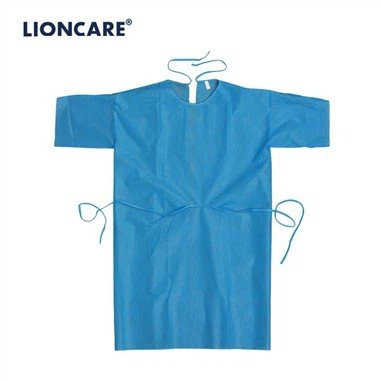
Instructions For Wearing Protective Clothing
Mar 12, 2015
● The protective clothing must be inspected and air pressure tested to confirm that there are no defects, and the protective clothing must be selected according to the purpose.
● However, if necessary, apply an anti-fogging agent to the inside of the protective clothing's sight glass according to the recommended instructions.
● Choose a two-person "co-op", ie, have another person help while wearing protective clothing.
● Underwear should be worn under protective clothing, at least, long sleeves and trousers, or long "underwear" are recommended. Fire-resistant underwear should be considered.
● Remove personal items such as pens, badges, jewelry, etc. that may damage the suit.
● Take off your shoes (this step can be omitted when wearing a protective suit with rubber boots attached). Some boots do not allow outdoor shoes to be worn.
● Roll the pant legs into the stockings so that the pant legs and rubber boots of the protective suit can be easily put on.
● If using a self-contained air breathing apparatus, inspect and install the equipment, complete all connections, make adjustments to the manufacturer's requirements, and do not wear a face mask unless required by the breathing apparatus.
● If using a breathing tube air supply system, check and complete all connections and adjustments, and do not wear a mask unless required by the breathing apparatus.
● Sit and put both legs into the protective suit.
● Put both feet into the overcoat boots and pull down the splash guard above the overboots. (Note: Work boots should be 1 to 2 sizes larger than what is usually said to be worn so that there is enough room to fit the boots with the protective clothing cover into the galoshes.)
● Turn on the air supply device, put on a mask, and make sure the air supply system is working properly
● Stand up and put on the inner belt, if you have one.
● Put the arms and head inside the suit, zip it up, then close the zipper to cover.
● Ask an assistant to check whether the zipper and zipper cover is fully tightened, whether the mask has a clear view, whether all airlines are tightly connected, and whether the protective clothing is in optimal working condition.