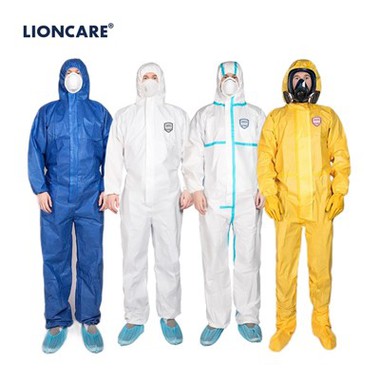
Global Nonwoven Price Surge in 2026: Raw Material Trends, PPE Market Forecast, And Procurement Strategies
Mar 10, 2026
In early 2026, the global personal protective equipment (PPE) industry began experiencing a new wave of cost pressure. Manufacturers, distributors, and buyers around the world have noticed a sudden rise in the price of nonwoven fabrics, the core material used in disposable protective products.
This surge has created uncertainty across the supply chain, particularly for businesses that rely on stable PPE procurement.
So what is causing this price increase? And what can global buyers expect in the coming months?
In this article, we analyze the key factors behind the current market situation, including the impact of geopolitical tensions, raw material supply chain disruptions, and energy market volatility. We also provide insights into the future outlook of the nonwoven industry and offer practical procurement strategies for PPE buyers.
Why Are Nonwoven Raw Material Prices Rising in 2026?
Most disposable PPE products-including disposable coveralls, isolation gowns, face masks, and shoe covers-are manufactured using polypropylene-based nonwoven fabrics.
Polypropylene (PP) is a petrochemical product derived from crude oil and natural gas. As a result, its price is closely linked to global energy markets.
In 2026, three major factors are driving the increase in nonwoven raw material prices.
1. Geopolitical Tensions in the Middle East
The Middle East remains one of the world's most important energy-producing regions. Escalating tensions in this region have created uncertainty in global oil markets and disrupted key shipping routes.
One of the most critical chokepoints is the Strait of Hormuz, a narrow waterway through which nearly 20% of the world's oil supply passes. Any instability in this region can rapidly impact global energy prices.
As crude oil prices rise, petrochemical production costs also increase, directly affecting the price of polypropylene and other polymer materials used in nonwoven manufacturing.
2. Petrochemical Supply Chain Disruptions
The global supply of polypropylene is concentrated in several key petrochemical hubs, including the Middle East, China, the United States, and Southeast Asia.
When production or logistics in any of these regions are disrupted, the ripple effect spreads across multiple industries.
Recent geopolitical uncertainties have caused:
- delayed petrochemical shipments
- increased transportation risks
- temporary production adjustments in some facilities
These factors have tightened the global supply of polypropylene and pushed prices upward.
3. Rising Transportation and Logistics Costs
Shipping and logistics are another major factor influencing raw material prices.
Due to increased geopolitical risk and route adjustments in key maritime regions, shipping companies have raised freight rates and insurance premiums.
In some cases, vessels are being rerouted around longer maritime paths, increasing transportation costs and delivery times.
For manufacturers relying on imported materials, these changes further increase production costs.
Understanding Polypropylene Price Trends
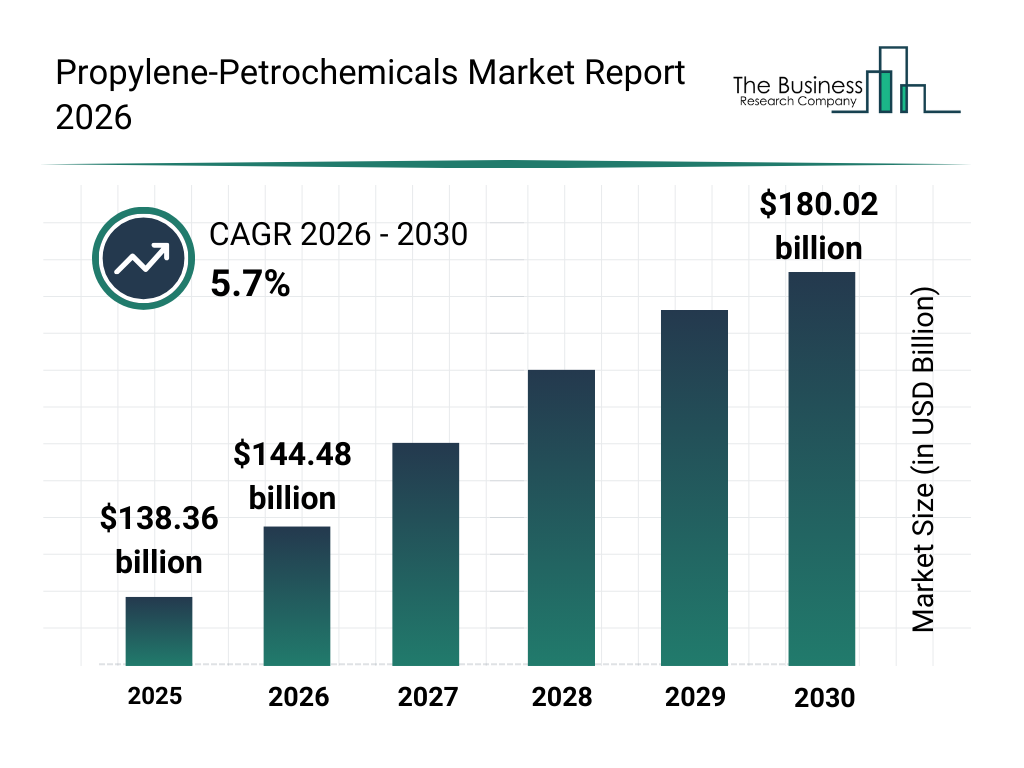
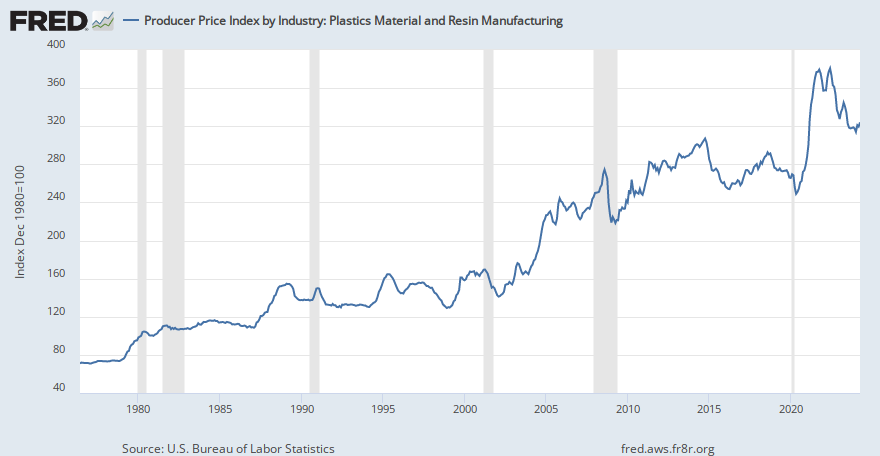

Global Polypropylene Price Trend Analysis
Polypropylene (PP) is the core raw material used in the production of nonwoven fabrics, which are widely applied in disposable PPE such as:
- Disposable coveralls
- Isolation gowns
- Face masks
- Shoe covers
- Bouffant caps
Because polypropylene is derived from petroleum, its market price closely follows fluctuations in global crude oil prices and petrochemical supply chains.
Key Market Observations
Based on recent petrochemical market reports, several trends have emerged:
2024 – Stable Recovery
- Oil prices stabilized after global economic adjustments
- PP prices remained relatively stable
- PPE manufacturing costs were predictable
2025 – Gradual Cost Increase
- Growing global demand for plastics and packaging
- Energy costs slowly increased
- PP prices started to trend upward
2026 – Rapid Price Surge
Following geopolitical tensions in the Middle East:
- Oil prices surged sharply
- Petrochemical supply became unstable
- Polypropylene prices rose significantly within weeks
For manufacturers of disposable protective clothing, this directly increases the cost of spunbond and SMS nonwoven fabrics, the main materials used in PPE production.
Why PPE Prices Fluctuate
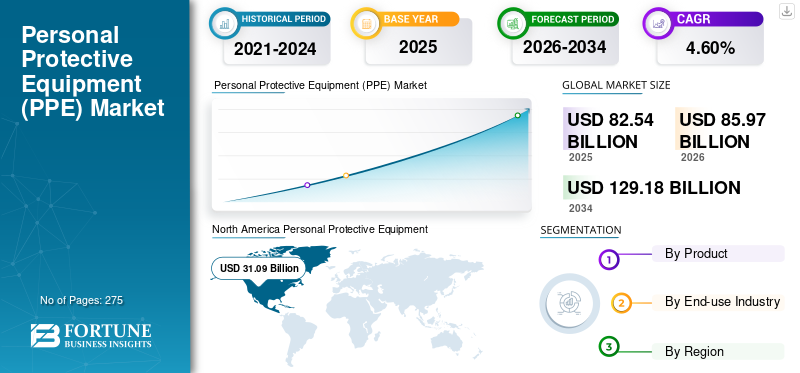
Understanding the Key Drivers Behind PPE Price Changes
Many buyers wonder why PPE prices sometimes change rapidly. In reality, PPE manufacturing is part of a complex global supply chain influenced by several interconnected factors.
1. Oil and Energy Prices
Since polypropylene is derived from crude oil, fluctuations in global energy markets directly impact raw material costs.
When oil prices rise, the cost of producing petrochemical polymers increases.
2. Raw Material Supply
Polypropylene production is concentrated in a few major petrochemical regions, including:
- The Middle East
- China
- The United States
- Southeast Asia
Disruptions in any of these regions can quickly affect global supply.
3. Logistics and Shipping
Shipping routes, container availability, and freight costs significantly influence PPE pricing.
Geopolitical events-such as conflicts affecting the Red Sea or the Strait of Hormuz-can increase transportation costs and delivery times.
4. Global Demand
Demand spikes during events such as:
- pandemics
- public health emergencies
- industrial safety regulations
- seasonal manufacturing cycles
When demand increases rapidly, prices may rise due to limited production capacity.
Middle East Energy Supply Chain Impact

Why the Middle East Matters for the Global PPE Industry
The Middle East plays a critical role in the global petrochemical industry.
Several of the world's largest oil and polymer producers are located in this region, including major suppliers of polypropylene and petrochemical feedstocks.
Strategic Energy Route: Strait of Hormuz
The Strait of Hormuz is one of the most important energy corridors in the world.
Key facts:
- Nearly 20% of global oil shipments pass through this narrow waterway
- Major exporters include Saudi Arabia, UAE, Kuwait, and Iran
- Petrochemical products such as polypropylene are shipped globally through this route
Any disruption in this region can have a ripple effect across multiple industries-including the PPE manufacturing sector.
Impact on the Nonwoven Industry
When geopolitical tensions affect this supply chain:
- oil prices rise
- petrochemical production costs increase
- polymer availability tightens
- nonwoven fabric prices follow the same trend
This is why the PPE industry closely monitors developments in global energy markets.
Global Nonwoven Market Forecast

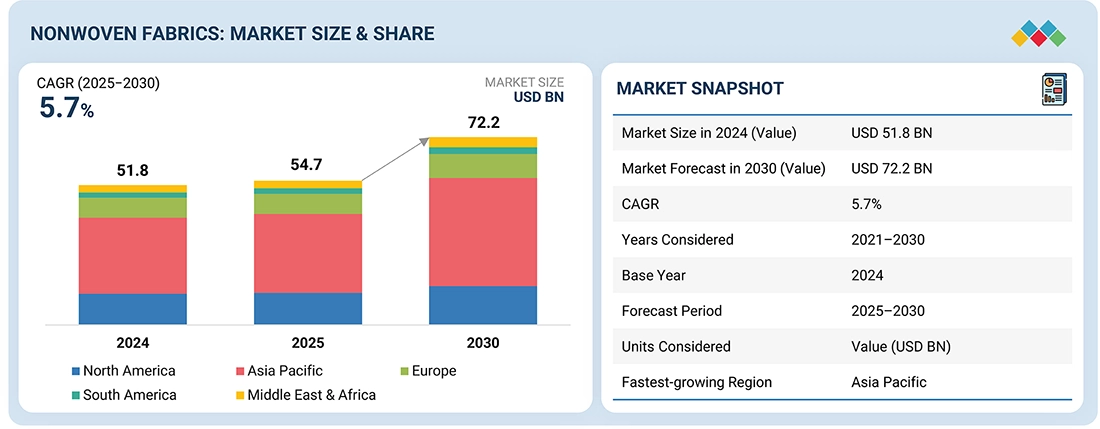
Global Nonwoven Fabric Market Outlook for 2026
Despite short-term volatility in raw material prices, the long-term outlook for the global nonwoven fabric industry remains strongly positive.
Nonwoven materials are widely used across multiple sectors, including:
- medical PPE
- industrial safety protection
- food processing hygiene
- agriculture and chemical protection
- automotive filtration
- consumer hygiene products
According to multiple industry reports, the global nonwoven fabric market is expected to continue expanding steadily over the next decade.
Market Growth Drivers
Several structural trends are driving this long-term growth.
1. Increasing Global Safety Regulations
Governments around the world are strengthening workplace safety regulations, especially in industries such as:
- chemical manufacturing
- pharmaceuticals
- food processing
- construction
These regulations increase demand for disposable protective clothing and PPE products.
2. Expansion of the Global Healthcare Industry
The healthcare sector continues to grow due to:
- aging populations
- increasing healthcare investment
- higher hygiene standards in hospitals
This drives demand for medical-grade nonwoven materials.
3. Industrialization in Emerging Markets
Rapid industrial growth in regions such as:
- Southeast Asia
- Africa
- South America
is increasing the need for affordable disposable protective equipment.
Market Projection
Industry analysts expect the global nonwoven market to maintain steady annual growth, with demand for PPE-related nonwoven materials continuing to expand.Even though raw material prices may fluctuate in the short term, the long-term demand trend remains strong and sustainable.
Global Polypropylene Supply Chain Analysis

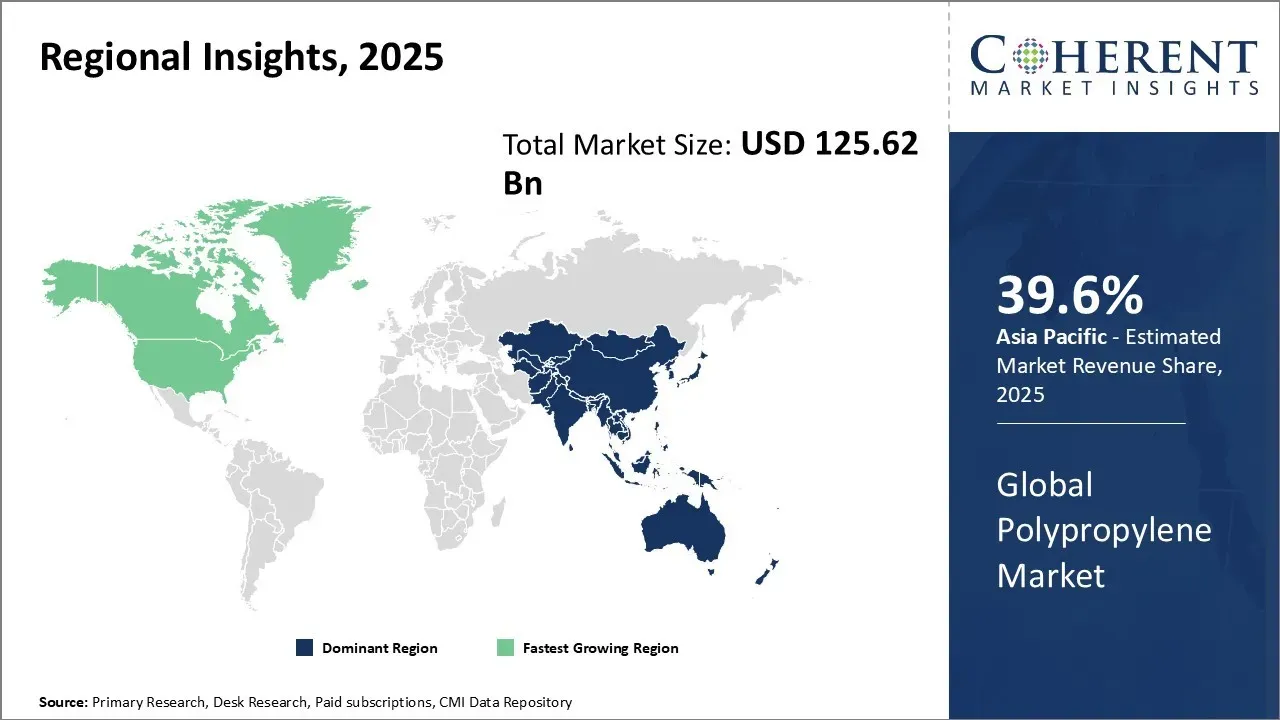
Understanding the Global Polypropylene Supply Chain
Polypropylene (PP) is one of the most widely used plastics in the world and serves as the primary raw material for nonwoven fabrics, which are used to manufacture disposable PPE products such as:
- Disposable coveralls
- Isolation gowns
- Medical masks
- Shoe covers
- Bouffant caps
Because polypropylene production depends on petrochemical feedstocks, its global supply chain is closely linked to oil-producing regions and large petrochemical manufacturing hubs.
Understanding where PP is produced helps explain why geopolitical events-especially in the Middle East-can have such a strong impact on PPE manufacturing costs.
Major Global Polypropylene Production Regions
Today, polypropylene production is concentrated in several key regions around the world.
Middle East
The Middle East is one of the most important global suppliers of petrochemical products.
Major producing countries include:
- Saudi Arabia
- United Arab Emirates
- Qatar
- Iran
These countries benefit from abundant crude oil resources and large integrated petrochemical complexes.
Because a large portion of global PP exports originate from this region, disruptions in Middle Eastern energy infrastructure or shipping routes can quickly affect global polymer supply.
China
China is currently the largest consumer and one of the fastest-growing producers of polypropylene.
Over the past decade, China has significantly expanded its petrochemical industry, building large-scale PP production facilities to support domestic manufacturing sectors such as:
- medical supplies
- packaging
- automotive components
- industrial textiles
- PPE manufacturing
This domestic production capacity helps stabilize supply for many industries, including nonwoven fabric manufacturers.
United States
The United States is another major polypropylene producer due to its strong shale gas industry.
Low-cost natural gas feedstock allows American petrochemical plants to produce competitive polymer materials.
A large portion of U.S. polypropylene is used domestically, while some is exported to global markets.
Southeast Asia
Countries such as:
- Thailand
- Malaysia
- Singapore
have developed important petrochemical production hubs that supply regional manufacturing industries.
These markets are becoming increasingly important as global supply chains diversify.
How PPE Buyers Can Reduce Procurement Risk
Smart Procurement Strategies During Market Uncertainty
When raw material markets become volatile, buyers can take several proactive steps to reduce procurement risks and maintain supply stability.
1. Build Long-Term Supplier Relationships
Working with reliable long-term manufacturers allows buyers to benefit from:
- priority production scheduling
- more stable pricing structures
- faster communication during market changes
Strategic partnerships often provide better stability than short-term purchasing.
2. Avoid Over-Reliance on a Single Supply Source
Diversifying suppliers across regions can reduce the risk of supply disruptions caused by:
- geopolitical conflicts
- logistics delays
- local production interruptions
Balanced sourcing strategies help ensure business continuity.
3. Place Forecast Orders Earlier
During periods of raw material volatility, placing advance orders can help buyers secure production capacity and reduce the impact of sudden price changes.
Many PPE manufacturers allocate production capacity based on confirmed orders.
4. Monitor Raw Material Trends
Understanding the connection between oil prices, petrochemicals, and nonwoven fabrics helps buyers better anticipate price movements and plan procurement strategies accordingly.
Working with manufacturers who provide market insights and transparent updates can greatly improve decision-making.
Why China Remains the Global PPE Manufacturing Hub
China's Advantage in the Global PPE Supply Chain
Despite fluctuations in raw material markets, China continues to play a central role in the global PPE manufacturing ecosystem.
Several factors make China one of the most reliable PPE production centers in the world.
1. Complete Industrial Supply Chain
China has one of the most complete industrial supply chains for nonwoven products, including:
- polypropylene raw materials
- nonwoven fabric production
- garment manufacturing
- packaging and logistics
This integrated ecosystem enables manufacturers to respond quickly to global demand.
2. Large-Scale Production Capacity
Chinese PPE factories operate large-scale production lines capable of producing:
- disposable protective coveralls
- isolation gowns
- masks and respirators
- hygiene protection products
This scale allows manufacturers to maintain efficient production and competitive pricing.
3. Strong Export Experience
Many Chinese PPE manufacturers have years of experience exporting to markets such as:
- Europe
- North America
- South America
- the Middle East
- Africa
They are familiar with international certification requirements including:
- CE standards
- ISO quality management
- medical product regulations
Lioncare: A Reliable PPE Manufacturing Partner
As a professional PPE manufacturer, Lioncare Protective Products is committed to delivering high-quality disposable protection products to global customers.
Our key strengths include:
- advanced nonwoven garment manufacturing lines
- strict quality control processes
- certified PPE products meeting international standards
- stable export experience with global distributors
Even during periods of raw material volatility, Lioncare continues to work closely with suppliers and partners to ensure stable production and reliable delivery.
PPE Price Trend Prediction for 2026

PPE Price Outlook for 2026
Although raw material prices have surged due to geopolitical tensions and energy market volatility, industry analysts generally believe that the PPE market will gradually stabilize as global supply chains adapt.
However, short-term fluctuations are still expected throughout 2026.
Below is a realistic outlook based on current market conditions.
Q1 2026 – Rapid Price Increase
The first quarter of 2026 has been marked by sudden increases in raw material costs.
Key factors include:
- geopolitical tensions in the Middle East
- disruptions in global energy markets
- rising crude oil prices
- uncertainty in petrochemical supply
During this period, many suppliers adjusted quotations frequently, and some factories shortened quotation validity to 3–7 days.
This is a typical reaction when raw material markets experience sharp volatility.
Q2 2026 – Continued Market Volatility
In the second quarter, prices may continue to fluctuate depending on several factors:
- oil market stability
- shipping route security
- petrochemical production recovery
If geopolitical tensions remain unresolved, polypropylene prices may stay relatively high.
However, global supply chains usually begin to adapt after the initial shock, which may gradually slow down price increases.
Q3 2026 – Supply Chain Adjustment Phase
By the third quarter of 2026, the global polymer market is likely to enter a rebalancing stage.
Possible developments include:
- new supply from alternative petrochemical producers
- stabilized shipping routes
- adjusted inventory levels across the industry
During this stage, raw material prices may begin to gradually stabilize.
However, they may remain higher than the average levels seen in 2024–2025.
Q4 2026 – Potential Price Stabilization
If global geopolitical conditions improve and energy markets stabilize, the fourth quarter of 2026 could see more predictable pricing conditions.
By this stage:
- supply chains may have fully adapted
- raw material inventories may recover
- PPE manufacturers may regain pricing stability
However, it is important to note that long-term demand for PPE remains strong, which means prices may not return to previous historical lows.
Why This Supply Chain Matters for PPE Manufacturing
The PPE industry relies heavily on stable access to polypropylene and nonwoven materials.
When disruptions occur in any major petrochemical region, several effects can ripple through the supply chain:
- polymer prices increase
- nonwoven fabric costs rise
- production planning becomes more difficult
- PPE product prices fluctuate
This is why events affecting global energy supply-such as geopolitical tensions or shipping disruptions-can influence the cost of disposable protective products worldwide.
How Lioncare Manages Supply Chain Risks
At Lioncare Protective Products, we actively monitor global raw material markets and maintain strong relationships with multiple suppliers to ensure production stability.
Our approach includes:
Diversified Raw Material Procurement
We collaborate with multiple material suppliers to reduce dependence on any single supply source.
Strategic Inventory Planning
By maintaining reasonable material reserves, we can better manage short-term supply fluctuations.
Flexible Production Scheduling
Our production planning system allows us to adjust quickly in response to raw material availability and customer demand.
Through these strategies, Lioncare continues to provide stable PPE supply solutions even during periods of global market uncertainty.
Navigating Market Uncertainty Together
The surge in nonwoven raw material prices in 2026 highlights the strong connection between global energy markets, petrochemical supply chains, and PPE manufacturing.
While short-term volatility may continue, the long-term outlook for the nonwoven and PPE industries remains positive due to growing demand from healthcare, industrial safety, and emerging markets.
For global buyers, understanding these market dynamics and building reliable supplier partnerships will be key to navigating future challenges.
At Lioncare, we remain committed to providing high-quality disposable protective products and supporting our partners with reliable manufacturing solutions.
We believe that long-term partnerships and mutual understanding are the key to navigating challenging market conditions.
FAQ
Q: Why are nonwoven raw material prices increasing in 2026?
A: Because polypropylene prices are closely tied to global oil markets and petrochemical supply chains, which are currently affected by geopolitical tensions.
Q: Will PPE prices continue to rise in 2026?
A: Short-term fluctuations are expected, but the market may stabilize later in the year as supply chains adjust.
Q: How can PPE buyers reduce procurement risk?
A: By working with reliable manufacturers, diversifying suppliers, and placing forecast orders earlier.
Q: Is China still the best place to source PPE products?
A: China remains one of the most reliable global manufacturing hubs due to its complete supply chain and large-scale production capacity.