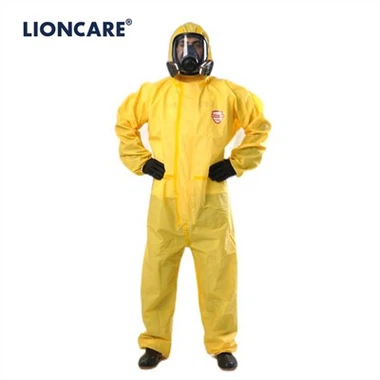
How To Verify A Genuine CE Certificate For Disposable Coveralls
Apr 17, 2026
A Practical Buyer's Guide to Avoid Costly Mistakes in PPE Sourcing
In today's global PPE market, CE certification is often presented as a "given." Suppliers mention it in quotations, display it on product pages, and attach certificates in emails. But here's the uncomfortable truth many buyers discover too late:
Not all CE certificates are real. And not all real ones are valid for your product.
If you are sourcing disposable coveralls for industrial, medical, or chemical protection, verifying CE certification is not just a formality-it's a critical risk control step that can directly impact compliance, safety, and your brand reputation.
This guide walks you through how to verify a genuine CE certificate for disposable coveralls, using practical methods that experienced buyers rely on-not just textbook explanations.
Why CE Certification Matters for Disposable Coveralls
Before diving into verification, it's important to understand what CE certification actually represents.
For disposable protective coveralls, CE marking indicates compliance with European PPE Regulation (EU) 2016/425, ensuring the product meets essential requirements for:
- Protective performance (e.g., Type 5/6 barrier protection)
- Material safety and durability
- Manufacturing consistency
- User safety under defined conditions
For most chemical protective disposable coveralls, the product falls under Category III PPE, which requires:
Type examination (Module B)
Ongoing production quality assurance (Module C2 or D)
Involvement of a notified body
This means:
👉 A real CE certificate is not just a PDF-it is part of a controlled certification system.
Discover LIONCARE Disposable Coverall with CE certificate: https://www.lioncare.net/industrial-protection/disposable-coveralls/

Common Problems Buyers Face (And Why Verification Is Critical)
In real sourcing scenarios, buyers often encounter:
- Fake CE certificates created using templates
- Certificates issued by unauthorized or non-recognized bodies
- Certificates that belong to different products
- Expired or withdrawn certifications
- Misleading claims like "CE Approved" without documentation
These issues are especially common when sourcing low-cost disposable coveralls from unknown suppliers.
Step-by-Step: How to Verify a Genuine CE Certificate
1. Check the Notified Body Number
A legitimate CE certificate for PPE will include a 4-digit notified body number.
What to do:
- Locate the number on the certificate
- Verify it in the official EU database (NANDO)
- Confirm the body is authorized for PPE certification
Red flag:
- If the number doesn't exist or is unrelated to PPE → the certificate is invalid
2. Verify the Issuing Organization
Not all certification bodies are equal. A genuine CE certificate must be issued by a recognized notified body in the EU.
Key checks:
- Is the organization listed in the official EU system?
- Does it specialize in PPE testing and certification?
- Is its scope relevant to protective clothing?
Red flag:
- Certificates issued by "testing labs" that are not notified bodies
3. Match the Product Description Exactly
This is one of the most overlooked steps.
Carefully compare:
- Product name
- Model number
- Material (e.g., SMS, microporous film)
- Protection type (Type 5 / Type 6)
A valid certificate must correspond exactly to the product you are buying.
Red flag:
- Generic descriptions like "protective clothing" without model details
4. Check the Standard References
For disposable coveralls, common applicable standards include:
- EN ISO 13982-1 (Type 5 – dry particles)
- EN 13034 (Type 6 – limited liquid splash)
- EN 14126 (biological protection, if applicable)
Ensure the certificate clearly lists the relevant standards.
Red flag:
- Missing standards or unrelated standards
5. Validate Certificate Authenticity (Contact the Notified Body)
A serious buyer always goes one step further.
You can:
- Email the notified body directly
- Provide the certificate number
- Ask for confirmation of validity
Many notified bodies will confirm whether the certificate is genuine.
6. Check Validity Dates and Status
CE certificates are not permanent.
Always verify:
- Issue date
- Expiry date
- Whether the certificate is still active
Red flag:
- Expired certificates still being used in quotations
7. Review Supporting Documents (Technical File & DoC)
A reliable supplier should also provide:
- EU Declaration of Conformity (DoC)
- Test reports
- Technical documentation
These documents should be consistent with the CE certificate.
Real-World Tip: Don't Rely on Certificates Alone
Experienced importers know that documents can be copied-but systems cannot.
When sourcing disposable coveralls at scale, it's equally important to evaluate:
- Factory production capability
- Quality control systems
- Batch consistency
- Internal testing processes
This is where working with a manufacturer rather than a trading intermediary becomes a major advantage.
How Lioncare Ensures CE Compliance You Can Trust
At Lioncare, CE compliance is not treated as a marketing label-it is built into the production process.
What sets Lioncare apart:
- Products certified under recognized EU notified bodies
- Full traceability from raw material to finished goods
- In-house laboratory testing before shipment
- Strict quality control aligned with international PPE standards
- Transparent documentation available for buyer verification
Because we operate within the Xiantao nonwoven industrial cluster, we maintain strong control over material sourcing and production stability-something that significantly reduces compliance risks for our clients.
Quick Checklist for Buyers
Before placing your next order, use this simple checklist:
✔ Notified body number verified
✔ Issuing organization is legitimate
✔ Product details match exactly
✔ Relevant EN standards included
✔ Certificate is valid and not expired
✔ Supporting documents provided
✔ Supplier can explain certification clearly
If any of these fail, pause the transaction.
Final Thoughts
In the PPE industry, especially after COVID-19, CE certification has become both a necessity and a vulnerability.
The difference between a smooth import and a costly compliance issue often comes down to one thing:
👉 How carefully you verify what's presented to you.
By applying the steps outlined above, you can confidently source CE-certified disposable coveralls that truly meet European standards-protecting not just users, but your business reputation.
FAQ: CE Certification for Disposable Coveralls
Q: Can a supplier legally sell coveralls with fake CE certificates?
A: No. This violates EU regulations and can lead to product recalls, fines, and import rejection.
Q: Is CE certification mandatory for disposable coveralls?
A: Yes, if the products are sold in the European Economic Area as protective equipment.
Q: What is the difference between CE marking and CE certificate?
A: CE marking is the label on the product; the certificate is the official document proving compliance.
Q: How long does CE certification remain valid?
A: It depends on the certification scheme, but regular surveillance and renewal are required.
Q: Can I verify CE certificates myself?
A: Yes-using official databases and by contacting notified bodies directly.