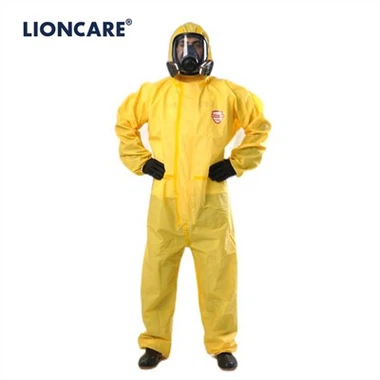
How Long Can Disposable Coveralls Be Worn in High Temperatures?
Jun 05, 2026
Disposable coveralls are designed to protect workers from dust, hazardous particles, chemicals, biological contaminants, and workplace pollutants. But when temperatures rise, another challenge emerges: heat stress.
Across industries such as construction, asbestos removal, food processing, pharmaceutical manufacturing, agriculture, mining, and industrial cleaning, workers often ask the same question:
How long can disposable coveralls be worn safely in hot weather?
The answer is more complex than simply counting hours. The safe wearing time of disposable protective coveralls depends on multiple factors including ambient temperature, humidity, workload intensity, coverall material, ventilation, hydration, and individual worker tolerance.
This guide explains how heat affects workers wearing disposable coveralls, how long coveralls can typically be worn in high temperatures, and what employers can do to reduce heat-related risks while maintaining workplace safety.
Why Disposable Coveralls Feel Hot
Many workers assume disposable coveralls generate heat.
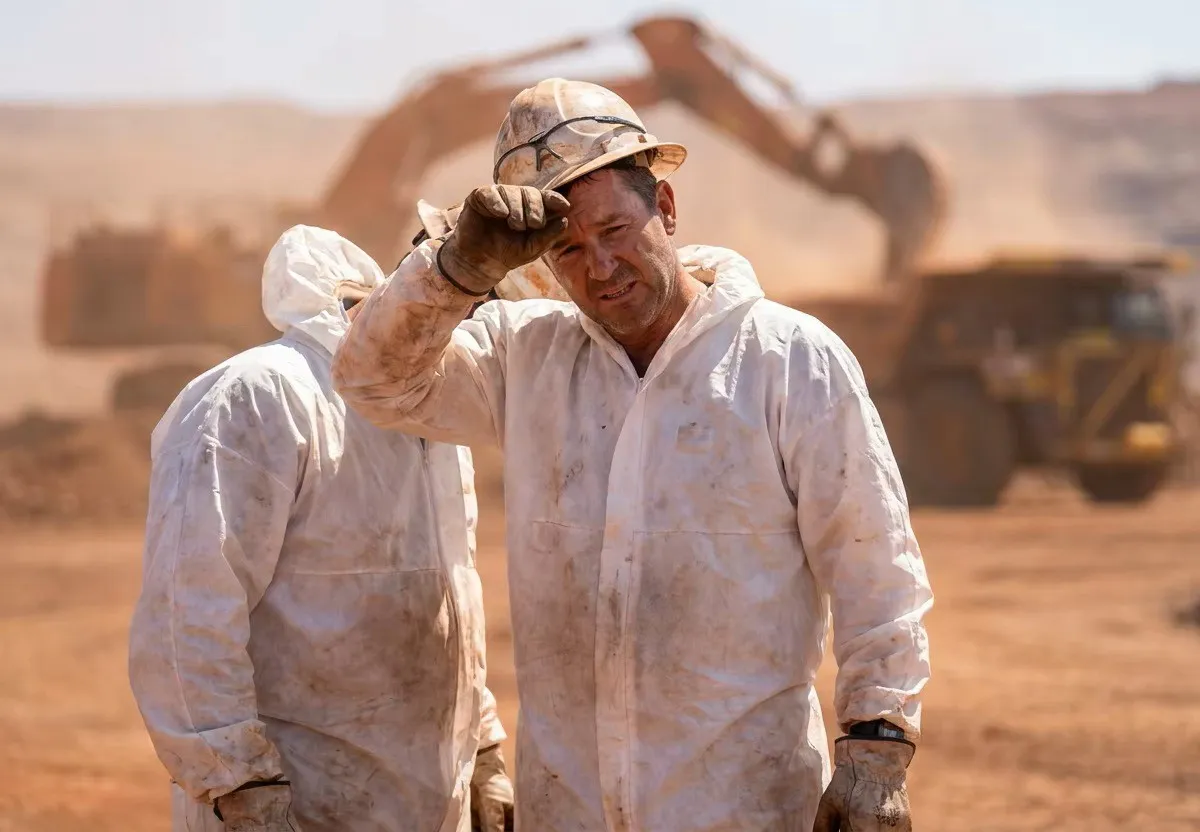
In reality, coveralls do not create heat. They trap body heat.
The human body naturally cools itself through sweat evaporation. When workers wear a protective barrier around their bodies, airflow becomes restricted and sweat evaporates more slowly.
As a result:
- Body temperature rises faster
- Sweat accumulates inside the garment
- Heart rate increases
- Fatigue develops sooner
- Risk of heat stress increases
This is especially noticeable in:
- Tropical climates
- African mining operations
- Agricultural environments
- Roofing projects
- Construction sites
- Outdoor decontamination work
- Industrial maintenance shutdowns
Even lightweight disposable coveralls can become uncomfortable if environmental conditions are extreme.
The Key Factors That Determine Safe Wearing Time
There is no universal answer because every working environment is different.
1. Ambient Temperature
The higher the temperature, the shorter the recommended continuous wear period.
General guidance:
| Air Temperature | Typical Continuous Wear Time |
|---|---|
| Below 25°C (77°F) | 2–4 hours |
| 25–30°C (77–86°F) | 1–2 hours |
| 30–35°C (86–95°F) | 30–90 minutes |
| Above 35°C (95°F) | Frequent breaks required |
These are only general estimates and should be adjusted based on workload and humidity.
2. Humidity Levels
Humidity often creates greater discomfort than temperature alone.
When humidity exceeds 70%, sweat evaporates slowly, reducing the body's cooling ability.
For example:
- 32°C with 40% humidity may be manageable.
- 32°C with 85% humidity may quickly lead to heat exhaustion.
Workers in tropical regions frequently encounter this challenge.
3. Physical Workload
A worker performing light inspections experiences significantly less heat stress than someone carrying materials or operating heavy equipment.
Work intensity categories:
Light Work
Examples:
- Quality inspection
- Laboratory work
- Food packaging
Possible wear duration:
1–3 hours
Moderate Work
Examples:
- Warehouse handling
- Equipment cleaning
- Agricultural processing
Possible wear duration:
45–90 minutes
Heavy Work
Examples:
- Demolition
- Asbestos removal
- Construction
- Mining
Possible wear duration:
20–60 minutes before cooling breaks may be necessary.
4. Coverall Material
Not all disposable coveralls offer the same breathability.
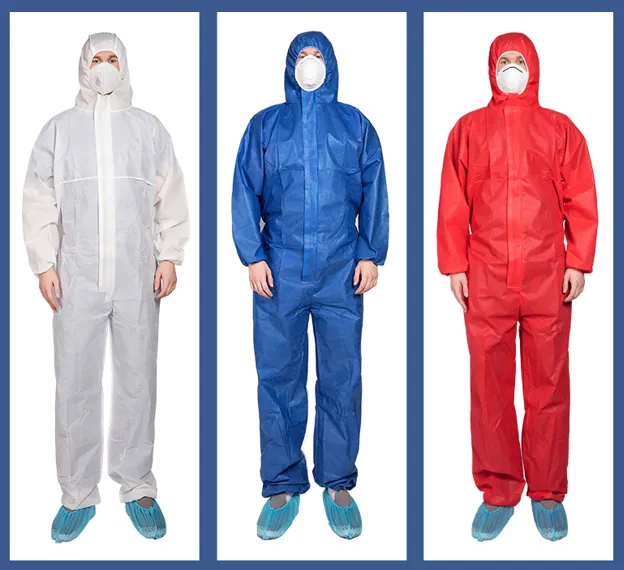
Polypropylene (PP) Coveralls
Advantages:
- Lightweight
- Good airflow
- Comfortable in warm conditions
Best for:
- Visitor protection
- Food processing
- Light industrial tasks
SMS Coveralls
Advantages:
- Better particle protection
- Moderate breathability
Suitable for:
- Manufacturing
- General maintenance
- Industrial cleaning
Microporous Film Coveralls
Advantages:
- Excellent barrier protection
- Protection against fine particles and liquid splashes
Limitation:
- Lower breathability
- Increased heat retention
Workers wearing microporous disposable coveralls often require more frequent rest periods in hot environments.
Explore LIONCARE Disposable Coveralls: https://www.lioncare.net/industrial-protection/disposable-coveralls/
Warning Signs That a Worker Has Been Wearing Coveralls Too Long
Employers should train workers to recognize early heat stress symptoms.
Common warning signs include:
- Excessive sweating
- Dizziness
- Headaches
- Fatigue
- Muscle cramps
- Rapid heartbeat
- Nausea
- Reduced concentration
If these symptoms occur, workers should immediately move to a cooler area and hydrate.
Ignoring these symptoms can lead to serious heat-related illnesses.
Understanding Heat Stress and Heat Exhaustion
Heat stress develops gradually.
The progression often follows this pattern:
- Increased sweating
- Fatigue
- Muscle cramps
- Heat exhaustion
- Heat stroke
Heat stroke is a medical emergency.
Symptoms may include:
- Confusion
- Loss of consciousness
- Hot, dry skin
- Body temperature above 40°C (104°F)
Immediate medical attention is required.
Best Practices for Wearing Disposable Coveralls in High Temperatures
Schedule Work During Cooler Hours
Many companies operating in hot climates adjust work schedules.
Recommended work windows:
- Early morning
- Late afternoon
- Evening shifts where practical
Avoiding midday heat can significantly improve worker comfort.
Use a Work-Rest Cycle
Safety professionals often implement structured work-rest schedules.
Examples:
Moderate Heat
60 minutes work
15 minutes rest
High Heat
45 minutes work
15–20 minutes rest
Extreme Heat
30 minutes work
30 minutes cooling period
This strategy is commonly used in mining, oil and gas, and industrial maintenance operations.
Maintain Hydration
Hydration should begin before workers feel thirsty.
Recommended approach:
- Drink water regularly
- Avoid excessive caffeine
- Replace electrolytes during long shifts
A dehydrated worker experiences heat stress much faster when wearing disposable coveralls.
Select Breathable Coveralls Whenever Possible
Not every task requires the highest-level barrier protection.
When risk assessments permit, breathable disposable coveralls can improve comfort while maintaining adequate protection.
Choosing the right balance between protection and breathability is often more effective than simply shortening work periods.
Establish Cooling Areas
Cooling stations can dramatically reduce heat-related incidents.
Examples include:
- Air-conditioned trailers
- Shaded rest areas
- Portable cooling tents
- Fan-assisted recovery zones
Even a short cooling break can lower core body temperature.
How Long Can Disposable Coveralls Be Worn in Africa and Other Hot Regions?
This question is increasingly common among procurement managers and safety officers.
In many African countries, daytime temperatures regularly exceed 35°C (95°F).
Industries frequently using disposable coveralls include:
- Mining
- Agriculture
- Food processing
- Pharmaceutical manufacturing
- Pest control
- Waste management
Under these conditions, continuous wear time is often reduced significantly.
Many organizations implement:
- More frequent breaks
- Lightweight protective garments
- Shift rotation systems
- Enhanced hydration programs
The goal is not simply extending wear time but maintaining worker safety and productivity.
Can You Wear the Same Disposable Coverall All Day?
Technically, a disposable coverall may remain intact for an entire shift.
However, from a comfort and hygiene perspective, continuous all-day wear is usually not recommended in hot conditions.
Replacement may be necessary if:
- The garment becomes heavily contaminated.
- Excessive sweating reduces comfort.
- The coverall is damaged.
- Workplace regulations require changing garments.
For most hot-weather applications, periodic replacement improves worker comfort and compliance.
Choosing the Right Disposable Coveralls for Hot Environments
When sourcing disposable coveralls for high-temperature workplaces, consider:
Breathability
Look for materials designed to improve airflow.
Lightweight Construction
Lower garment weight generally improves comfort.
Protective Requirements
Match protection levels to actual hazards.
Proper Sizing
Oversized garments increase heat retention.
Undersized garments restrict movement and increase fatigue.
Quality Manufacturing
Consistent material quality improves both protection and wearability.
Manufacturers such as LIONCARE focus on balancing worker protection, comfort, durability, and breathability for demanding industrial environments worldwide.
Conclusion
There is no single answer to how long disposable coveralls can be worn in high temperatures.
Safe wear time depends on:
- Temperature
- Humidity
- Work intensity
- Coverall material
- Hydration status
- Individual tolerance
In moderate conditions, workers may comfortably wear disposable coveralls for several hours. In extreme heat, continuous wear may need to be limited to less than one hour before cooling breaks are required.
The safest approach is to combine appropriate PPE selection with hydration, rest schedules, worker training, and environmental monitoring.
Ultimately, effective heat management protects not only worker health but also productivity, compliance, and operational efficiency.
FAQ
Q: How hot is too hot to wear disposable coveralls?
A: There is no universal temperature limit, but once temperatures exceed 35°C (95°F), employers should implement additional heat-stress controls such as cooling breaks, hydration programs, and work-rest schedules.
Q: Can disposable coveralls cause heat exhaustion?
A: Disposable coveralls do not directly cause heat exhaustion, but they can increase heat retention and contribute to heat stress if worn for long periods in hot environments.
Q: Which disposable coverall is best for hot weather?
A: Lightweight polypropylene (PP) coveralls are generally more breathable than microporous film coveralls and are often preferred for low-risk hot-weather applications.
Q: How often should workers take breaks when wearing coveralls in high temperatures?
A: Break frequency depends on temperature, humidity, and workload. In hot conditions above 30°C (86°F), breaks every 30–60 minutes may be necessary.
Q: Are disposable coveralls suitable for outdoor work in Africa?
A: Yes. Disposable coveralls are widely used across Africa in mining, agriculture, food processing, construction, and industrial maintenance. Selecting breathable materials and implementing heat-management practices is essential.
Q: Should disposable coveralls be changed during a shift?
A: They should be replaced if they become contaminated, damaged, excessively wet from sweat, or if workplace procedures require a garment change.
Q: Do breathable disposable coveralls still provide protection?
A: Yes. Many modern breathable coveralls provide effective protection against particles and workplace contaminants while improving comfort compared with less breathable alternatives.