DIY A Disposable Coverall For Your Halloween Costume
Oct 31, 2024
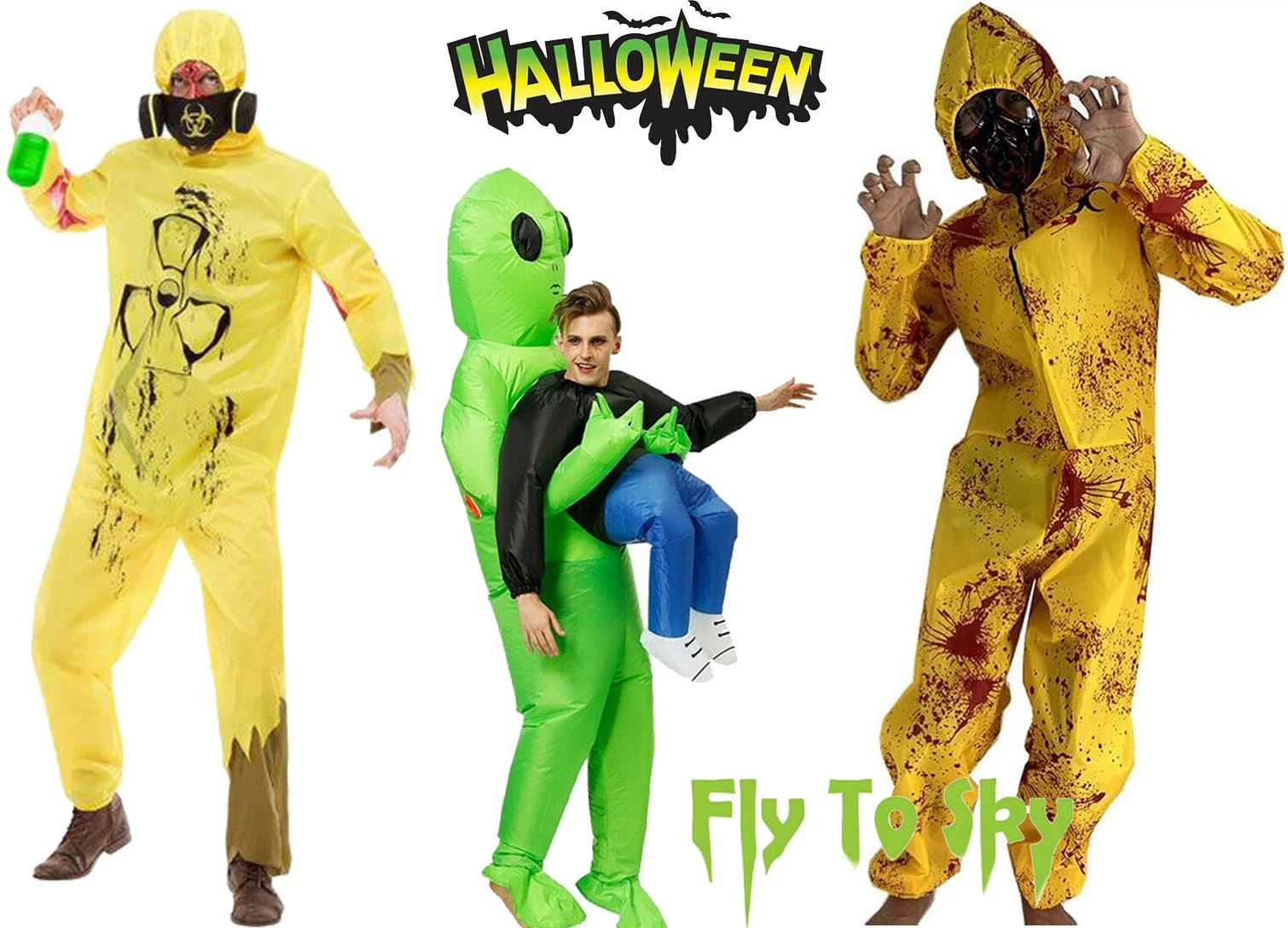
Halloween is a time for creativity and expression, where costumes allow individuals to embody characters, themes, and ideas that inspire them. While traditional costumes can often be expensive and limited in scope, a DIY approach using disposable coveralls presents an exciting and budget-friendly alternative. We will explore the process of DIY or dyeing disposable coveralls for a Halloween costume, offering step-by-step instructions, creative ideas, and practical tips to ensure your costume stands out.
-Why Choose Disposable Coveralls for Your Halloween Costume?
1. Affordability
One of the primary advantages of using disposable coveralls is their cost-effectiveness. Unlike elaborate costumes that can cost a fortune, disposable coveralls are typically inexpensive and widely available. This makes them an attractive option for those who want to create a unique look without breaking the bank.
2. Versatility
Disposable coveralls come in various styles and sizes, providing a blank canvas for your costume ideas. Whether you want to be a scientist, a monster, or something entirely different, coveralls can easily be adapted to fit your vision.
3. Ease of Customization
Dyeing and decorating coveralls allows for a high degree of customization. You can personalize your costume by choosing colors, patterns, and embellishments that align with your character of choice.
4. Comfort and Practicality
Coveralls are designed for ease of movement and comfort. They provide ample room for layering underneath, making them suitable for various weather conditions, whether you're attending a party, going trick-or-treating, or participating in community events.
-Understanding the Basics of Disposable Coveralls
What Are Disposable Coveralls?
Disposable coveralls are protective clothing made from lightweight, non-woven fabrics, often composed of materials like polypropylene or polyethylene. They are designed for one time use, providing protection against dirt, dust, and certain contaminants. The very qualities that make them suitable for industrial and medical use also make them an intriguing option for Halloween costumes.
Features:
1.Material: Most disposable coveralls are made from synthetic materials, which can be challenging to dye but can still be customized with paints and other techniques.
2.Design: Coveralls typically feature a loose fit, elastic cuffs, and a front zipper, making them easy to wear and remove.
3.Color Options: While many come in white, disposable coveralls can be found in various colors, which can affect your dyeing process and final outcome.
-The Process of Dyeing Disposable Coveralls
Understanding Dyeing Materials
Before diving into the dyeing process, it's essential to understand the materials you'll be working with. Most disposable coveralls are made from:
1.Polypropylene: A synthetic polymer that is resistant to dye absorption, making it difficult to achieve a consistent color.
2.Polyethylene: Another synthetic material that presents similar challenges in dyeing.
Choosing the Right Dye
When considering dyeing your coveralls, select dyes that are appropriate for synthetic materials. Here are some options:
1.Disperse Dyes: These are specifically formulated for dyeing synthetic fibers like polyester and polypropylene. They usually require heat to set the color.
2.Fabric Spray Paint: An alternative that allows for vibrant colors and designs without the need for heat setting. It's especially useful for adding patterns or stenciled designs.
3.Acrylic Paint: While not a traditional dye, acrylic paint can be mixed with fabric medium to adhere better to the coveralls and allow for creative designs.
Preparing for the Dyeing Process
1.Gather Materials: Make sure you have everything you need before starting. This includes:
- Disposable coveralls
- Dye or fabric spray paint
- Brushes or sponges (if painting)
- Gloves
- Plastic drop cloths (to protect surfaces)
- Water (if using liquid dye)
- A heat source (for heat-setting dye)
2.Choose Your Color: Decide what color you want your coveralls to be. Keep in mind that lighter colors may show stains and imperfections less than darker ones.
3.Test First: If you're using a new dye or paint, always test it on a small, inconspicuous area or a fabric scrap to see how it reacts.
Step-by-Step Dyeing Process
Step 1: Set Up Your Workspace
Create a well-ventilated area to work in. Lay down plastic drop cloths to protect your surfaces from spills.
Step 2: Prepare the Coveralls
If necessary, wash the coveralls to remove any factory finishes. This helps the dye adhere better. Allow them to dry completely before proceeding.
Step 3: Apply the Dye
- For Disperse Dyes: Mix according to the manufacturer's instructions. Submerge the coveralls in the dye bath, stirring occasionally to ensure even coloring. If heat-setting is required, follow the specified instructions.
- For Fabric Spray Paint: Shake the can well. Hold it about 6-12 inches away from the fabric and spray in a sweeping motion. Apply several thin layers for even coverage.
- For Acrylic Paint: Use a brush or sponge to apply the paint, creating designs or patterns as desired. Mix with fabric medium for better adhesion.
Step 4: Setting the Dye
- Heat Setting: If you've used disperse dye, you may need to set the color by placing the coveralls in a dryer on low heat or using an iron on a low setting without steam.
- Drying: Allow the coveralls to dry completely before further handling. This may take several hours or longer, depending on the dye and environmental conditions.
Step 5: Finishing Touches
Once the dye is dry, you can add embellishments such as:
- Stencils: Use fabric paint to create intricate designs with stencils, making your costume more unique.
- Accessories: Consider adding props, hats, or masks that align with your character for a complete look.
-Creative Costume Ideas Using Dyed Disposable Coveralls
Now that you have a good understanding of dyeing and customizing coveralls, let's explore some creative Halloween costume ideas you can create:
1. Mad Scientist
Dye your coveralls in a vibrant color like green or blue. Add accessories such as goggles, wild hair, and a clipboard with "crazy" scientific formulas to complete the look.
2. Zombie
Transform your coveralls into a zombie costume by dyeing them in shades of grey or brown. Add distressing techniques like tearing or fraying edges, and use face paint for a ghoulish effect.
3. Ghost or Spirit
Dye your coveralls white and use fabric paint to add eerie designs or spooky symbols. Pair it with a spooky mask or dramatic makeup for a chilling effect.
4. Alien
Create an extraterrestrial look by dyeing your coveralls in metallic silver or bright green. Use face paint and accessories like antennae to enhance the otherworldly vibe.
5. Construction Worker
Dye your coveralls in high-visibility colors like neon yellow or orange. Add a hard hat, tool belt, and work boots for a fun and recognizable costume.
6. Superhero
Pick your favorite superhero colors and dye the coveralls accordingly. Add a cape, mask, and emblem to turn your coveralls into a superhero suit that stands out at any Halloween gathering.
7. Hazmat Worker
Create a humorous take on a hazmat suit by dyeing your coveralls in bright orange or yellow. Add a gas mask and gloves for authenticity, making your costume both funny and relevant.
-DIY Decorating Techniques
Dyeing isn't the only way to customize your coveralls. Here are additional DIY decorating techniques to consider:
1. Stenciling
Use stencils to create patterns or designs on your coveralls. This can be done with fabric paint or spray paint. Choose designs that match your costume theme for a cohesive look.
2. Patchwork
Sew or glue on patches that relate to your costume. For instance, a "science experiment" patch for a mad scientist or a "biohazard" patch for a zombie theme can add depth to your outfit.
3. Fabric Markers
Use fabric markers to draw directly on your coveralls. This is a great way to add personal touches, such as names, symbols, or fun sayings that fit your character.
4. Accessories
Don't underestimate the power of accessories. Adding hats, gloves, props, or wigs can enhance your costume significantly. Consider how these elements can work together to tell a story about your character.
5. Layering
For added effect, consider layering your coveralls with other clothing. For example, wearing brightly colored clothes underneath can peek through, creating a more dynamic look.
-Tips for Success
1. Plan Ahead: Don't wait until the last minute to start your project. Allow time for dyeing, drying, and any additional decorating.
2. Practice Safety: Work in a well-ventilated area and wear gloves to protect your hands from dye and paint stains.
4. Be Creative: Don't be afraid to experiment with different colors, patterns, and designs. Your costume should reflect your unique style.
5. Embrace Imperfections: DIY costumes often have a charm that comes from their uniqueness. Embrace any imperfections as part of the character you're embodying.
6. Document Your Journey: Take photos during the dyeing and decorating process. This not only captures your creativity but also serves as inspiration for others.
Dyeing and customizing disposable coveralls for a Halloween costume is a fun and creative way to express yourself during the spooky season. With a little imagination and some DIY techniques, you can transform a simple garment into a standout costume that showcases your personality and creativity.
Whether you choose to dye, paint, stencil, or accessorize, the possibilities are endless. Embrace the DIY spirit this Halloween and create a costume that is truly your own. Happy crafting and have a spooktacular Halloween!