How To Select Protective Clothing
Oct 21, 2024
In today's world, protective clothing is essential across various industries to safeguard workers from hazardous environments. Whether you're in healthcare, manufacturing, or industrial settings, choosing the right protective clothing is crucial to ensure safety, comfort, and compliance with regulations. With so many options available, selecting the right protective clothing, such as medical disposable coveralls, industry protective coveralls, or chemical coveralls, can be daunting. This guide will help you understand the key factors to consider when choosing the best protective clothing for your needs, focusing on material, design, and application.
1. Different Types of Protective Clothing
- Medical Disposable Coveralls
Medical coveralls are designed to protect healthcare workers and patients from cross-contamination and exposure to infectious diseases. These clothing are crucial in environments such as hospitals, clinics, and laboratories where workers are frequently exposed to blood, bodily fluids, and other potentially infectious materials. Medical disposable coveralls are often made from materials that provide high resistance to liquid penetration and biological hazards.
- Industrial Disposable Coveralls
Industrial coveralls are designed to protect workers in sectors such as manufacturing, construction, and mining. These coveralls safeguard individuals from dust, debris, and non-hazardous particles that may be present in industrial settings. Industrial disposable coveralls are generally lightweight and durable, offering basic protection without compromising comfort and mobility.
- Chemical Disposable Coveralls
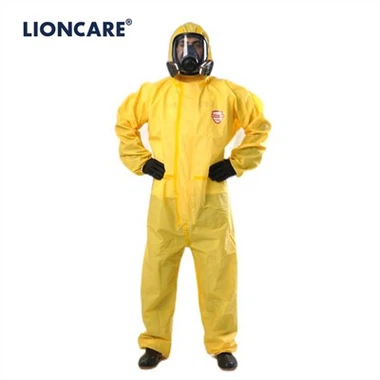
Chemical-resistant coveralls are used in environments where workers are exposed to hazardous chemicals and toxic substances. These coveralls provide an impermeable barrier against harmful liquids, gases, and aerosols, ensuring that workers are protected from potential chemical burns, skin irritation, and respiratory hazards. Chemical coveralls are essential for industries such as pharmaceuticals, petrochemicals, and hazardous waste management.
- Fire-Resistant Disposable Coveralls
Fire-resistant (FR) coveralls are designed for environments where there is a risk of fire or exposure to high heat. These garments are made from flame-retardant materials that protect workers from flash fires and thermal hazards. Fire-resistant coveralls are commonly used in industries such as oil and gas, electrical work, and firefighting.
- Disposable Protective Suits for Biological Hazards
In situations where there is a risk of exposure to biological agents, such as during an epidemic or when handling hazardous biological materials, biological hazard coveralls are required. These suits are designed to prevent the penetration of microorganisms, ensuring that healthcare workers and emergency personnel are protected from viruses, bacteria, and other harmful agents.
- High-Visibility Disposable Coveralls
In industries where visibility is critical for safety, such as road construction or traffic management, high-visibility coveralls are used to ensure that workers are easily seen by others. These coveralls are typically made with reflective materials or bright colors, such as fluorescent yellow or orange, to enhance visibility in low-light conditions.
2. Material Considerations for Protective Clothing
The material of protective clothing plays a critical role in determining its effectiveness and comfort. Different materials provide varying levels of protection depending on the type of hazards workers may encounter. Here are the key materials to consider:
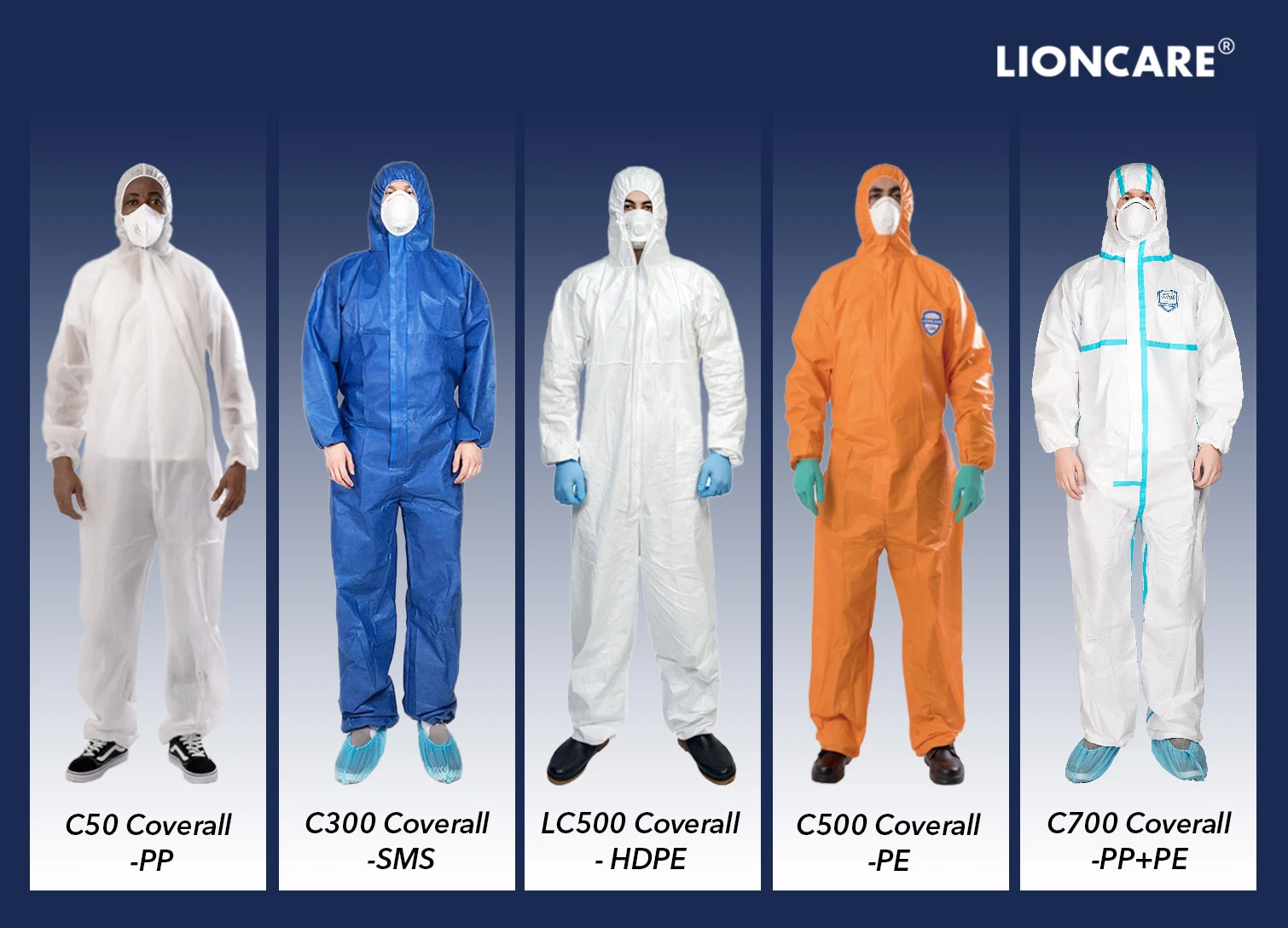
- Polypropylene (PP): This material is lightweight, breathable, and resistant to dust and dirt, making it ideal for disposable protective coveralls used in non-hazardous environments. Polypropylene is commonly used in industries such as food processing, where workers need basic protection.
- Polyethylene (PE): Polyethylene is a more durable material with higher resistance to liquid penetration and chemicals. It's commonly used in disposable PPE coveralls for workers in chemical plants, laboratories, and medical environments where exposure to hazardous liquids is a concern.
- SMS Fabric: SMS (Spunbond-Meltblown-Spunbond) fabric combines three layers of nonwoven fabric to provide enhanced protection and breathability. It is commonly used in hospital coveralls and medical coveralls, offering excellent protection against liquids and infectious agents.
- Tyvek: Made by DuPont, Tyvek is a high-performance material known for its durability, lightweight, and resistance to hazardous particles, liquids, and microorganisms. Tyvek is used in industrial coveralls and environments where workers are exposed to chemicals and aerosols.
- Microporous Film Laminated: This material is breathable and highly resistant to liquids, making it ideal for use in disposable coverall suits in industries such as pharmaceuticals, chemical processing, and asbestos abatement. Microporous film laminate offers excellent protection without compromising comfort.
3. Different design to Look for in Protective Coveralls
When selecting protective clothing, consider the design that will best meet the needs of your work environment. Here are some key features for reference:
- Seam Construction: Seam construction is critical for ensuring that no harmful substances can penetrate the suit. Look for protective clothing with taped or sealed seams to provide additional protection, especially in environments with high chemical or liquid exposure.
- Elasticated Cuffs and Ankles: Elasticated cuffs and ankles help create a snug fit, preventing particles, dust, or chemicals from entering the suit. This is particularly important in disposable protective suits and ppe overalls used in high-risk environments.
- Zipper Closures with Flaps: A zipper closure with an additional storm flap provides extra protection by preventing particles or liquids from seeping through the zipper area. This is especially useful in hospital overalls or industrial coveralls.
- Hood and Boot Attachments: Some protective coveralls come with attached hoods and boots for full-body protection. These features are essential in environments where workers are exposed to hazardous aerosols or infectious agents, such as hospitals and laboratories.
- Breathability: In hot or humid work environments, breathable materials like SMS fabric or Tyvek can significantly improve comfort. Look for protective clothing that balances protection with breathability, especially for long-duration wear.
4. Industry-Specific Applications of Protective Clothing
Different industries require different types of protective clothing based on the specific hazards encountered. Below are some examples of how various industries use protective clothing:
- Healthcare: Healthcare professionals working in hospitals, clinics, and laboratories need protective clothing to safeguard against infectious diseases and contaminants. Medical coveralls and hospital coveralls made from SMS fabric or polyethylene are ideal for these environments, offering protection against liquids and pathogens.
- Chemical Industry: Workers in chemical plants or laboratories are frequently exposed to hazardous chemicals and gases. Disposable coveralls made from Tyvek or microporous film laminated provide a high level of chemical resistance, ensuring that workers are protected from chemical spills and airborne contaminants.
- Construction: Construction workers are often exposed to dust, dirt, and hazardous materials such as asbestos. PPE overalls made from durable materials with taped seams offer protection from particulate matter and debris. Additionally, disposable coveralls are widely used for tasks such as painting, insulation, and asbestos removal.
- Manufacturing: In the manufacturing sector, workers may be exposed to dust, grease, and non-hazardous chemicals. Disposable protective coveralls made from polypropylene or SMS fabric are ideal for light-duty protection in environments where cleanliness is important, such as food processing or electronics assembly.
- Pharmaceuticals: Pharmaceutical workers must avoid cross-contamination when handling sensitive materials. Disposable coveralls made from PE or SMS fabric offer excellent protection from contamination and provide a sterile environment for sensitive drug production.

5. Choosing the Right Size and Fit
The fit of protective clothing is essential for ensuring that the wearer is adequately protected. Ill-fitting protective coveralls can expose workers to hazardous substances, while overly tight clothing can restrict movement and lead to discomfort. When selecting protective clothing, consider the following:
- Size Range: Ensure the protective clothing comes in a wide range of sizes to accommodate different body types. Many manufacturers offer sizes ranging from small to 3XL or larger.
- Fit: Look for protective clothing that offers a balance between a snug fit and freedom of movement. Disposable PPE coveralls should fit closely around the wrists and ankles but leave enough room in the torso and legs for comfortable movement.
- Adjustable Features: Some protective clothing comes with adjustable features, such as elasticated hoods or drawstrings, allowing for a customized fit based on the wearer's body shape and the specific work environment.
6. Compliance with Safety Standards
Disposable coveralls must meet various safety standards to ensure they provide the necessary protection for workers in different environments. These standards are established by international and national organizations, and they cover factors like resistance to chemicals, biological hazards, fire, and mechanical risks. Below are some of the key safety standards for disposable coveralls:
- EN 14126: Protection Against Infectious Agents 1
This European standard specifies the performance requirements of protective clothing against biological hazards, including infectious agents. It is particularly relevant in healthcare and laboratory settings where exposure to pathogens like bacteria and viruses is common.
Test Method: Resistance to penetration by blood, body fluids, and airborne solid particles.
Application: Healthcare, laboratories, disease outbreak control, and handling infectious materials.
- EN 14605: Protection Against Liquid Chemicals
This standard applies to protective clothing that offers liquid-tight (Type 3) and spray-tight (Type 4) protection. Coveralls that meet this standard protect workers from chemical splashes, making them suitable for environments where hazardous liquids are handled.
Test Method: Resistance to liquid chemical penetration and spray.
Application: Chemical industries, hazardous material handling, and waste management.
- EN 13982-1: Protection Against Solid Particles (Type 5)
This standard covers clothing designed to protect against airborne solid particulates, including asbestos, lead dust, and other fine particles. Type 5 coveralls are essential in industries where workers are exposed to hazardous dust.
Test Method: Resistance to particulate penetration.
Application: Asbestos removal, construction, mining, and pharmaceutical manufacturing.
- EN 13034: Limited Protection Against Liquid Chemicals (Type 6)
This standard outlines the requirements for protective clothing offering limited chemical splash protection. Type 6 coveralls provide a basic level of protection against low-risk liquid chemicals.
Test Method: Resistance to light liquid sprays and fine mist.
Application: Low-risk chemical handling, cleaning tasks, and light industry.
- EN 1149: Electrostatic Properties
This standard applies to protective clothing with electrostatic properties to prevent sparks that could ignite flammable substances. It is important in environments where there are risks of explosion, such as oil and gas industries.
Test Method: Surface resistivity and electrostatic decay time.
Application: Oil and gas industries, explosive environments, and pharmaceutical manufacturing.
- EN 1073-2: Protection Against Radioactive Contamination
Coveralls that meet this standard are designed to protect against radioactive particles but not ionizing radiation. They are critical in environments where radioactive dust may be present, such as nuclear facilities.
Test Method: Resistance to radioactive particle penetration.
Application: Nuclear power plants, radioactive material handling, and decontamination.

Selecting the right protective clothing requires careful consideration of the materials, design, and specific application needs. Whether you are looking for disposable medical coveralls, industrial coveralls, chemical coveralls, it's essential to choose clothing that offer the right level of protection, comfort, and compliance with industry standards.
By understanding the different types of protective clothing, their materials, and the specific features that enhance safety, you can make informed decisions that ensure the well-being of your workforce.