How To Choose The Right PPE For Hospital & Clinic Use
Apr 27, 2026
Healthcare environments are unforgiving when it comes to safety. A single weak point in personal protective equipment (PPE) can lead to contamination, operational disruption, or worse-risk to human life. For procurement managers, distributors, and healthcare administrators, choosing the right PPE for hospitals and clinics is no longer a routine purchasing decision-it's a strategic responsibility.
This guide is written for professionals who need clarity, not clichés. It breaks down how to select the right PPE based on real-world hospital scenarios, regulatory requirements, cost pressures, and supply chain realities-while helping you avoid the most common and expensive mistakes.
Understanding the Role of PPE in Modern Healthcare

PPE in hospitals and clinics serves one primary purpose: barrier protection against biological hazards. But in practice, it does much more. It supports infection control protocols, ensures regulatory compliance, protects staff confidence, and even impacts operational efficiency.
In post-pandemic healthcare systems, PPE is expected to meet higher standards across multiple dimensions:
- Protection level (fluid resistance, viral penetration)
- Comfort for long shifts
- Consistency in supply
- Compliance with international certifications
- Cost efficiency without compromising safety
This is where many buyers struggle-balancing protection and practicality.
The Core Categories of PPE for Hospitals & Clinics
Before selecting the right PPE, it's important to understand the key product categories and their intended applications.
1. Protective Clothing (Isolation Gowns, Coveralls, Surgical Gowns)

Protective clothing forms the first line of defense. However, not all gowns or coveralls are created equal.
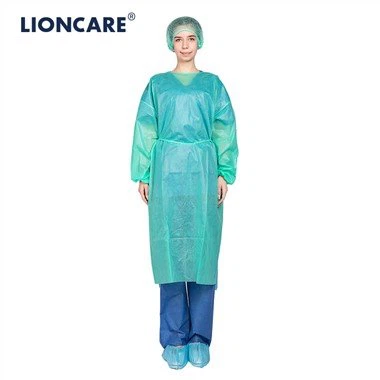
Isolation gowns: Ideal for low to moderate risk environments such as general patient care
Surgical gowns: Designed for sterile environments with higher fluid exposure
Coveralls: Provide 360-degree protection, often used in high-risk infectious disease scenarios
Buyer insight: Many procurement teams over-purchase high-level protection (like coveralls) for low-risk environments, significantly increasing costs without improving outcomes.
2. Masks & Respirators

Choosing between masks and respirators depends on exposure risk:
- Surgical masks: Protect against droplets, suitable for routine care
- Respirators (e.g., N95/FFP2): Filter airborne particles, essential for high-risk procedures
Key consideration: Fit and filtration efficiency must align with the clinical scenario-not just certification labels.
3. Gloves, Eye Protection, and Accessories
Often overlooked, these items are critical in preventing cross-contamination.
- Nitrile gloves: Preferred for durability and chemical resistance
- Face shields & goggles: Protect mucous membranes from splashes
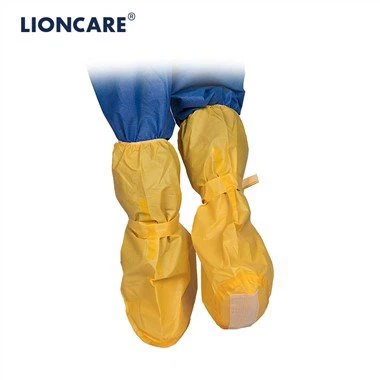
- Shoe covers & caps: Reduce environmental contamination
Hidden pain point: Inconsistent quality in these "small items" can compromise the entire PPE system.
Key Factors When Choosing PPE for Healthcare Use
1. Risk Level Assessment (The Foundation of Smart Procurement)
Not every hospital department requires the same level of protection.
| Department | Risk Level | Recommended PPE |
|---|---|---|
| General Ward | Low | Isolation gowns, surgical masks |
| ICU | Medium–High | Reinforced gowns, respirators |
| Operating Room | High | Sterile surgical gowns, full PPE |
| Infectious Disease Unit | Very High | Coveralls, respirators, full sealing |
Best practice: Build a risk-based PPE matrix rather than applying a one-size-fits-all purchasing strategy.
2. Material Matters More Than You Think
The material determines protection, comfort, and cost.
- PP (Polypropylene): Lightweight, economical, basic protection
- SMS (Spunbond-Meltblown-Spunbond): Balanced protection and breathability
- Microporous film: Superior barrier against liquids and pathogens
Industry mistake: Choosing the lowest-cost material without evaluating permeability and durability.
3. Certification & Compliance (Non-Negotiable)
Healthcare PPE must meet strict international standards:
- CE (EU Regulation 2016/425)
- ISO 13485 (medical device quality management)
- AAMI PB70 (liquid barrier performance for gowns)
Procurement tip: Always verify documentation authenticity. Fake or invalid certificates remain a widespread issue in global sourcing.
4. Comfort & Wearability (A Hidden Productivity Factor)
Healthcare workers wear PPE for extended periods. Poorly designed PPE leads to:
- Heat stress
- Reduced mobility
- Lower compliance among staff
Solution: Choose ergonomically designed PPE with breathable materials and optimized fit.
5. Supply Chain Stability (Lessons from COVID-19)
One of the biggest industry pain points is supply inconsistency.
During global crises, many buyers faced:
- Delayed shipments
- Sudden price spikes
- Quality fluctuations
What to look for in a supplier:
- Scalable production capacity
- In-house manufacturing (not just trading)
- Proven export experience
- Stable raw material sourcing
Common Mistakes Buyers Make (And How to Avoid Them)
Mistake 1: Over-specifying PPE
Buying the highest protection level for all scenarios increases costs unnecessarily.
Fix: Align PPE level with actual risk exposure.
Mistake 2: Ignoring Real-World Usability
Products that pass lab tests may fail in real working conditions.
Fix: Request samples and conduct wear trials.
Mistake 3: Choosing Price Over Reliability
Low-cost suppliers often compromise consistency.
Fix: Evaluate total cost of ownership-not just unit price.
Mistake 4: Lack of Standardization
Different departments using different PPE creates confusion.
Fix: Establish standardized PPE protocols across the facility.
A Smarter Approach: Integrated PPE Sourcing Strategy
Leading hospitals are moving toward strategic sourcing models rather than transactional buying.
This includes:
- Long-term supplier partnerships
- Multi-category sourcing (gowns, masks, accessories from one manufacturer)
- Inventory planning and buffer stock strategies
This approach reduces risk, improves consistency, and often lowers overall cost.
Why Manufacturers Matter More Than Distributors

Working directly with a manufacturer offers advantages:
- Better price control
- Customization capability (OEM/ODM)
- Quality traceability
- Faster response time
At LIONCARE, the focus is not just on supplying PPE-but on manufacturing reliability at scale. With a foundation in China's nonwoven industrial cluster, Lioncare integrates material sourcing, production, and quality control under one system. This ensures consistent output even during periods of global demand volatility.
Real-World Buyer Scenario
A mid-sized hospital in Southeast Asia faced repeated issues with PPE:
- Gowns tearing during use
- Inconsistent mask quality
- Frequent supplier changes
After switching to a manufacturer-led sourcing model and standardizing PPE categories, they achieved:
- 28% cost reduction
- 40% fewer product complaints
- Improved staff satisfaction
The takeaway is simple: PPE selection is not just about products-it's about systems.
How to Evaluate a PPE Supplier (Checklist)
Before placing bulk orders, ask these questions:
- Do they have verifiable certifications?
- Can they provide consistent batch quality?
- Do they support customization and private labeling?
- Is their production capacity scalable?
- Do they conduct pre-shipment quality inspections?
If any answer is unclear, that's a risk signal.
Future Trends in Hospital PPE Procurement
The PPE industry is evolving rapidly. Key trends include:
- Sustainable PPE materials (eco-friendly nonwovens)
- Smart PPE with monitoring capabilities
- Localized supply chains to reduce dependency on imports
- Higher regulatory scrutiny worldwide
Buyers who adapt early will gain both cost and safety advantages.
Final Thoughts: Choosing PPE Is Choosing Safety
Selecting the right PPE for hospitals and clinics is not a checklist exercise-it's a strategic decision that impacts safety, cost, and operational efficiency.
The best outcomes come from:
- Understanding real clinical needs
- Choosing the right materials and certifications
- Partnering with reliable manufacturers
- Building a long-term sourcing strategy
In a world where healthcare risks continue to evolve, your PPE strategy must evolve with it.
If you're evaluating PPE suppliers or optimizing your hospital's procurement strategy, it's worth taking a closer look at how integrated manufacturing partners like Lioncare can support long-term reliability-not just short-term supply.
FAQ
Q: What PPE is required for hospital staff?
A: It depends on the department and exposure risk, but typically includes gowns, masks or respirators, gloves, and eye protection.
Q: What is the difference between isolation gowns and surgical gowns?
A: Isolation gowns are used for general protection, while surgical gowns provide higher fluid resistance and are used in sterile environments.
Q: How do I choose a reliable PPE supplier?
A: Look for certified manufacturers with stable production capacity, consistent quality control, and export experience.
Q: What materials are best for medical protective clothing?
A: SMS and microporous materials offer the best balance between protection and comfort.