PPE Industry Growth After COVID
Apr 08, 2026
When the world first encountered COVID-19, the demand for personal protective equipment (PPE) surged at an unprecedented rate. Governments, hospitals, and industrial sectors scrambled to secure supplies, exposing vulnerabilities in the global PPE supply chain.
Now, several years after the pandemic peak, a common question arises:
Has the PPE industry slowed down-or has it transformed into something more resilient and sophisticated?
The answer is clear. The PPE industry has not declined. Instead, it has entered a new phase of sustainable growth, diversification, and strategic global demand.

How COVID-19 Reshaped the PPE Industry
Before the pandemic, PPE was largely concentrated in healthcare and specific industrial sectors. Today, its application has expanded across multiple industries.
1. From Emergency Demand to Structural Demand
During COVID-19, PPE demand was reactive. Post-pandemic, it has become institutionalized.
- Hospitals maintain higher stock levels
- Governments build strategic PPE reserves
- Businesses adopt long-term safety protocols
This shift has created a stable baseline demand for products such as:
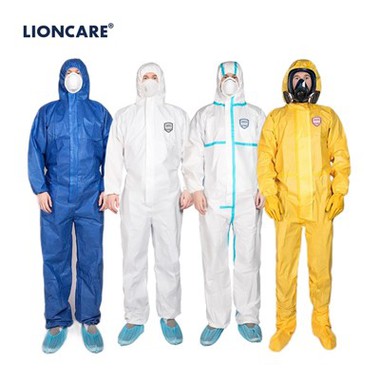
- Disposable coveralls
- Isolation gowns
- Face masks and respirators
- Protective shoe covers and caps
2. Increased Awareness of Workplace Safety
Industries like food processing, pharmaceuticals, and electronics manufacturing now treat protective clothing as essential-not optional.
This has significantly boosted demand for:
- hygiene protective clothing
- disposable protective clothing for clean environments
- lightweight and breathable PPE materials
Global PPE Market Growth by Region
The growth of the PPE industry after COVID is not uniform-it varies by region, creating opportunities for global suppliers.
North America
The U.S. and Canada continue to prioritize:
- local stockpiling strategies
- certified PPE suppliers
- long-term procurement contracts
Buyers here focus heavily on:
- compliance (FDA, OSHA)
- consistent quality
- reliable delivery timelines
Europe
European markets emphasize:
- sustainability
- CE-certified protective clothing
- environmentally friendly disposable PPE
There is rising demand for eco-friendly disposable coveralls and recyclable materials.
Southeast Asia & Latin America
These regions are experiencing rapid industrial growth, leading to increased PPE demand in:
- manufacturing
- agriculture
- food processing
Middle East & Africa
Government investments in healthcare infrastructure are driving PPE demand, especially for:
- medical protective clothing
- bulk PPE procurement
Product Evolution: From Basic Protection to Performance-Based PPE
The PPE industry is no longer about simple barrier protection. Buyers now expect performance.
Key Product Trends
- Breathable SMS and microporous materials replacing traditional PP
- Anti-static and chemical-resistant coveralls
- Ergonomic design for long working hours
- Multi-layer protection systems
This evolution reflects a shift toward user comfort + safety performance, especially in industrial environments.
Supply Chain Transformation After COVID
One of the biggest lessons from the pandemic was the risk of over-reliance on unstable supply chains.
1. Diversification of Suppliers
Buyers now actively seek:
- multiple PPE suppliers
- regional sourcing strategies
- direct factory partnerships
2. Preference for Manufacturers Over Traders
More companies prefer working directly with PPE manufacturers instead of trading companies to ensure:
- better pricing
- stable production capacity
- quality control transparency
3. Rise of China's Industrial Clusters
China remains a key player in global PPE production, especially regions like Xiantao, known for its nonwoven industry ecosystem.
This cluster advantage enables:
- faster production cycles
- stable raw material supply
- cost-efficient manufacturing
Future Trends: What Will Drive PPE Industry Growth?
Looking ahead, the PPE industry will continue evolving in several directions:
1. Smart PPE and Innovation
Integration of:
- sensor-based monitoring
- advanced filtration materials
2. Sustainability Pressure
Global buyers increasingly demand:
- biodegradable materials
- reduced plastic waste
- eco-conscious production processes
3. Long-Term Institutional Procurement
Governments and large corporations are moving toward:
- framework agreements
- annual PPE contracts
- strategic supplier partnerships
How to Choose a Reliable PPE Supplier After COVID
For global buyers, selecting the right supplier is more critical than ever.
Here are key factors to evaluate:
1. Manufacturing Capability
Look for suppliers with:
- large-scale production lines
- automated equipment
- stable output capacity
2. Quality Control Systems
Reliable manufacturers should have:
- in-house laboratories
- pre-shipment testing procedures
- international certifications
3. Supply Chain Stability
A strong supplier should be located in:
- established industrial clusters
- areas with mature raw material supply chains
4. OEM & Customization Ability
Flexibility is key for:
- branding
- packaging
- product specifications
Why More Global Buyers Choose Lioncare
In today's competitive PPE market, choosing the right manufacturing partner can make a significant difference.
Lioncare is not just a PPE supplier-it operates as a factory deeply rooted in China's nonwoven industrial cluster.
By leveraging the advantages of the Xiantao supply chain ecosystem, Lioncare offers:
- Stable production of disposable protective clothing
- Strict in-house quality testing before shipment
- OEM services for global PPE brands
- Consistent supply for bulk orders
If you are looking to explore high-quality disposable coveralls, you can visit:
👉 https://www.lioncare.net/industrial-protection/disposable-coveralls/
Or learn more about manufacturing capabilities and product range directly on the website.
Conclusion: A Stronger, Smarter PPE Industry
The PPE industry after COVID is no longer defined by crisis-it is defined by preparedness, innovation, and long-term demand.
For buyers, this means:
- more choices
- higher standards
- greater emphasis on reliable partnerships
For manufacturers, it means:
- continuous improvement
- supply chain resilience
- global competitiveness
As the world continues to prioritize safety and hygiene, the PPE industry is set to remain a critical and growing sector for years to come.