

Ebola Outbreak 2026: What The World Needs To Know About The New Ebola Crisis And How Frontline PPE Protection Matters
May 25, 2026
The world is once again paying close attention to Ebola.
In May 2026, health authorities reported a rapidly growing Ebola outbreak affecting parts of Central Africa, particularly the Democratic Republic of the Congo (DRC) and neighboring Uganda. The outbreak involves the rare Bundibugyo strain of the Ebola virus - a strain for which no fully approved vaccine currently exists.
The World Health Organization (WHO) has already declared the situation a global public health emergency due to concerns over cross-border transmission, overwhelmed healthcare systems, and rising infections among frontline medical workers.
For hospitals, healthcare suppliers, NGOs, and emergency response organizations, this outbreak is another reminder that infectious disease preparedness is no longer optional. From isolation protocols to disposable PPE supply chains, every layer of protection matters.
In this article, we'll explain:
- What the Ebola virus actually is
- How Ebola spreads
- Common symptoms and risks
- Why PPE is critical during outbreaks
- What type of protective clothing is used for Ebola response
- How healthcare organizations can improve preparedness in 2026
What Is Ebola Virus?

Ebola virus disease (EVD) is a severe and often fatal illness caused by infection with viruses from the Ebolavirus family. The disease was first identified in 1976 near the Ebola River in what is now the Democratic Republic of the Congo.
Ebola is classified as a viral hemorrhagic fever, meaning it can damage blood vessels, disrupt the body's immune response, and lead to internal bleeding and organ failure in severe cases.
Historically, Ebola outbreaks have had fatality rates ranging from 25% to 90%, depending on the strain, local healthcare infrastructure, and speed of containment.
The 2026 outbreak has drawn particular concern because it involves the Bundibugyo strain, which is less common than the Zaire strain involved in previous outbreaks. Existing vaccines were primarily developed for the Zaire strain, leaving healthcare systems with fewer pharmaceutical tools during the current crisis.
According to global health authorities, suspected cases have already spread into urban areas, increasing the complexity of containment efforts.
How Does Ebola Spread?
One of the most important facts about Ebola is that it does not spread like influenza or COVID-19.
Ebola is primarily transmitted through direct contact with infected bodily fluids.
These include:
- Blood
- Vomit
- Saliva
- Sweat
- Urine
- Feces
- Contaminated medical equipment
- Infected surfaces and fabrics
Transmission can occur when these fluids enter broken skin, the eyes, nose, or mouth of another person.
High-risk situations include:
- Caring for infected patients
- Handling medical waste
- Cleaning contaminated environments
- Funeral and burial practices involving physical contact
- Improper removal of contaminated PPE
Healthcare workers are especially vulnerable during outbreaks because they are repeatedly exposed to infected patients and contaminated environments.
This is why strict infection-control procedures and high-quality personal protective equipment (PPE) are essential during Ebola response operations.
Common Symptoms of Ebola Virus Disease
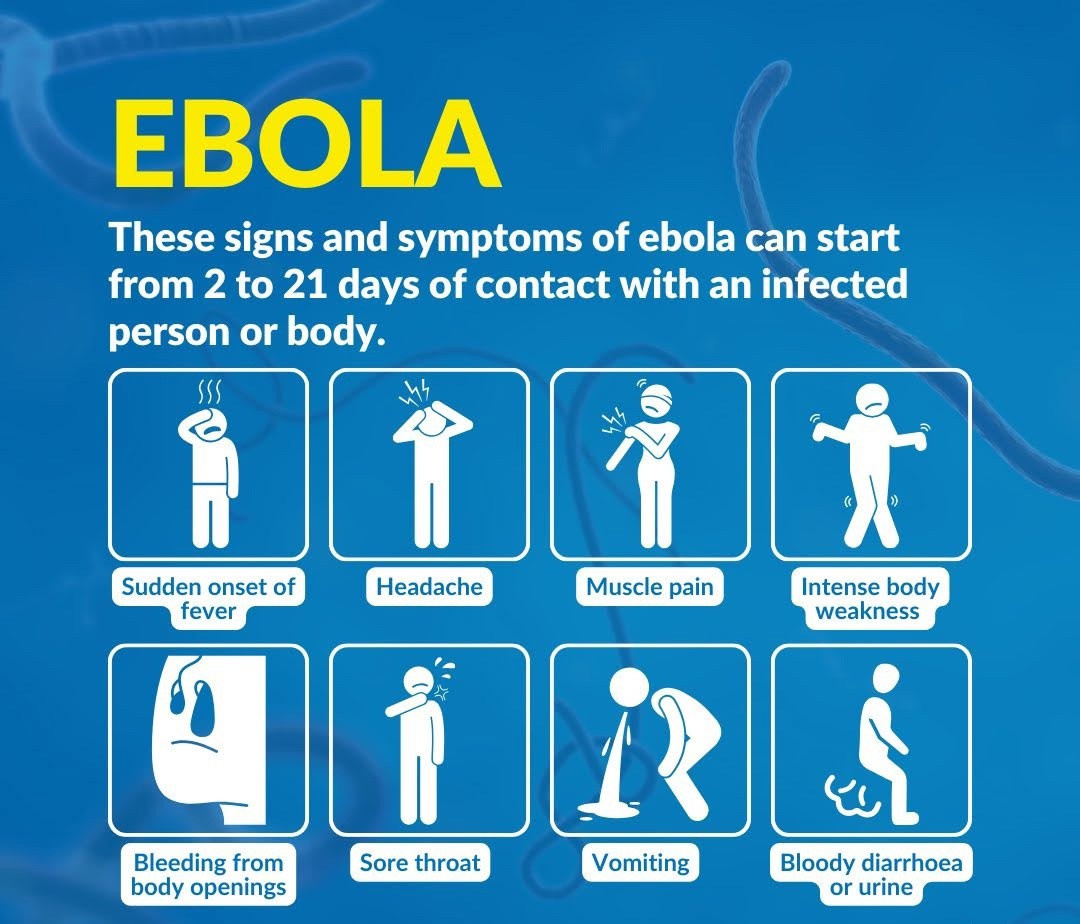
Early Ebola symptoms can resemble common viral illnesses, making early detection difficult.
Early Symptoms
- Fever
- Severe fatigue
- Muscle pain
- Headache
- Sore throat
Advanced Symptoms
- Vomiting
- Diarrhea
- Skin rash
- Bleeding from gums or nose
- Internal bleeding
- Organ dysfunction
Symptoms usually appear between 2 and 21 days after exposure.
Because early symptoms are similar to malaria, influenza, and other tropical diseases, healthcare facilities in outbreak regions often face challenges identifying Ebola quickly enough to stop transmission.
Why PPE Is Critical During Ebola Outbreaks
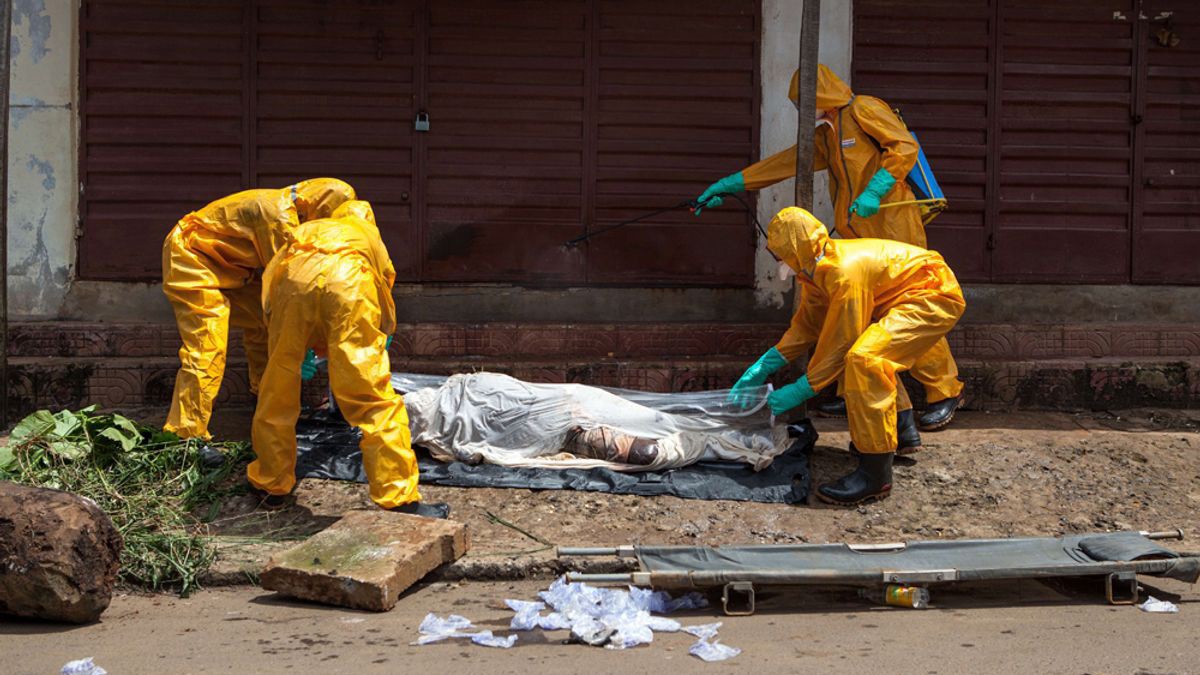
Personal protective equipment plays a central role in reducing Ebola transmission among healthcare workers and emergency responders.
Unlike standard hospital environments, Ebola treatment zones require enhanced infection-control measures because workers may come into contact with highly infectious fluids throughout their shift.
A complete Ebola PPE system may include:
- Disposable protective coveralls
- Isolation gowns
- Respirators or N95 masks
- Face shields or goggles
- Double-layer gloves
- Disposable shoe covers
- Protective hoods
Protective clothing used in Ebola environments must provide:
- Fluid resistance
- Viral penetration protection
- Secure seam construction
- Full-body coverage
- Safe doffing procedures
One of the biggest risks is contamination during PPE removal. Even experienced healthcare workers require specialized training to safely remove protective clothing after patient exposure.
As global outbreaks continue to emerge, reliable PPE manufacturing capacity has become increasingly important for healthcare systems and distributors worldwide.
Companies such as LIONCARE manufacture disposable PPE products including protective coveralls, isolation gowns, face masks, and shoe covers designed for healthcare, industrial safety, and infection-control environments.
What Type of Protective Clothing Is Used for Ebola?
Not all protective clothing is suitable for high-risk infectious disease environments.
For Ebola response, healthcare organizations often look for protective garments that meet recognized international standards for biological hazard protection.
Key features may include:
- Microporous film barrier materials
- Elastic cuffs and ankles
- Attached hood designs
- Taped or sealed seams
- Lightweight but durable construction
Many buyers also evaluate compliance with standards such as:
- EN 14126 (protection against infective agents)
- CE-certified protective clothing requirements
- Type 4/5/6 chemical and particle protection classifications
Disposable coveralls are widely used because they help reduce cross-contamination risks and simplify disposal after exposure.
For healthcare procurement teams, choosing the right PPE supplier often depends on:
- Manufacturing consistency
- Regulatory compliance
- Product testing capability
- Stable raw material supply
- Emergency production capacity
As a manufacturer specializing in disposable protective apparel, LIONCARE Protective Products supplies disposable coveralls and medical protective garments to international distributors and industrial safety buyers across multiple regions.
Challenges Frontline Healthcare Workers Face
Healthcare workers responding to Ebola outbreaks face enormous physical and psychological pressure.
Common challenges include:
- Long hours in hot PPE suits
- Heat stress and dehydration
- Limited hospital resources
- High patient volumes
- Risk of occupational exposure
- Emotional fatigue
In some outbreak zones, hospitals also struggle with shortages of trained staff and infection-control supplies.
These realities highlight why outbreak preparedness must include more than emergency response alone. Governments, hospitals, NGOs, and suppliers all play a role in strengthening healthcare resilience before outbreaks occur.
How Countries Are Responding to the 2026 Ebola Outbreak

International health agencies have already intensified surveillance and response efforts.
Current measures include:
- Border health screenings
- Isolation centers
- Contact tracing
- Emergency medical deployments
- PPE stockpile expansion
- Laboratory testing support
Several countries have also strengthened airport monitoring for travelers arriving from affected regions.
Organizations such as WHO, Africa CDC, and international humanitarian agencies continue coordinating containment efforts while researchers work to evaluate experimental vaccines and treatment options for the Bundibugyo strain.
The outbreak has once again demonstrated how quickly infectious diseases can impact global healthcare systems, supply chains, and public safety preparedness.
How Hospitals and Businesses Can Improve Ebola Preparedness
The current outbreak offers important lessons for healthcare facilities and emergency preparedness teams worldwide.
Key preparedness strategies include:
1. Maintain Emergency PPE Inventory
Healthcare organizations should avoid relying entirely on reactive purchasing during outbreaks.
2. Train Staff on PPE Usage
Incorrect PPE removal remains one of the biggest contamination risks.
3. Strengthen Supplier Relationships
Reliable PPE suppliers with stable manufacturing capacity can help reduce disruption during emergencies.
4. Review Infection-Control Protocols
Hospitals should regularly update isolation and contamination procedures.
5. Diversify PPE Sourcing
Global outbreaks often create supply-chain instability and raw material shortages.
Manufacturers with in-house quality control and international compliance testing may offer stronger long-term supply reliability during periods of high demand.
LIONCARE Official Website provides disposable PPE products for healthcare, industrial safety, laboratory, and infection-control applications worldwide.
Final Thoughts
The 2026 Ebola outbreak is a reminder that infectious disease threats remain a global challenge.
While medical research continues to advance, prevention and protection still depend heavily on early response, infection control, and reliable PPE systems.
For healthcare workers operating in high-risk environments, properly designed disposable protective clothing remains one of the most important barriers against exposure.
As governments, hospitals, and healthcare suppliers continue responding to the outbreak, preparedness, education, and protective equipment will remain central to global public health safety.
FAQ About Ebola and PPE
Q: Is Ebola airborne?
A: Ebola is not considered an airborne virus like influenza. It primarily spreads through direct contact with infected bodily fluids.
Q: What PPE is used for Ebola protection?
A: Common Ebola PPE includes disposable coveralls, isolation gowns, respirators, face shields, gloves, and shoe covers.
Q: Can disposable coveralls help prevent Ebola infection?
A: High-quality disposable coveralls designed for biological hazard protection can help reduce exposure risks when used correctly with full PPE protocols.
Q: What is the mortality rate of Ebola?
A: Mortality rates vary depending on the strain and medical response capacity. Some outbreaks have recorded fatality rates above 50%.
Q: Is there a vaccine for the 2026 Ebola strain?
A: Current vaccines mainly target the Zaire strain. Researchers are still evaluating options for the Bundibugyo strain involved in the 2026 outbreak.
Q: Why are healthcare workers at high risk during Ebola outbreaks?
A: Healthcare workers frequently interact with infected patients, bodily fluids, and contaminated surfaces, increasing exposure risks without proper PPE and training.